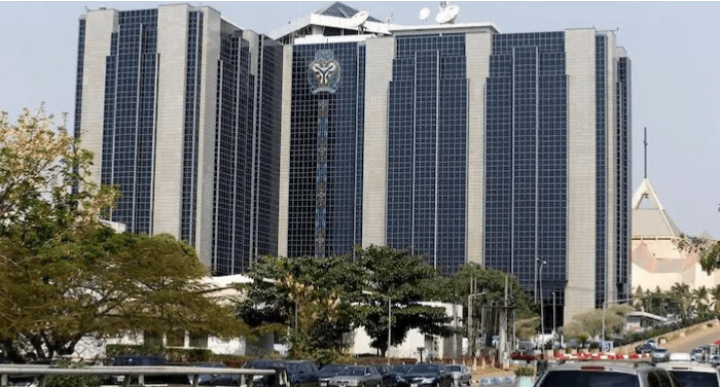

Leaders of central banks from 12 West African countries including the Governor of the Central Bank of Nigeria (CBN) are finalizing a framework to launch a single regional currency by 2027. The gathering in Monrovia, Liberia is meant to set critical technical and institutional components in place ahead of the scheduled roll-out.
The meeting is convened under the Economic Community of West African States (ECOWAS) and spans three days. Its explicit goal is to align policy, sharpen governance arrangements and clarify the mechanisms needed to operationalize the Eco currency project.
Nigeria’s presidency, in an official statement, described the session as a decisive move toward deeper economic integration and stronger monetary collaboration across West Africa. Officials stressed that a unified currency could reduce transaction costs, expand cross-border trade and strengthen regional financial systems.
In its official communication, the presidency stated:
“The Eco currency forms part of ECOWAS’ broader integration architecture, designed to mirror aspects of the European Union model.” It also noted that
“The initiative aims to complement existing regional instruments such as the ECOWAS passport, while promoting harmonised financial systems and greater regional mobility.”
The first phase of implementation is expected to include Liberia, Nigeria, Ghana, Sierra Leone, Guinea and The Gambia. Participation is contingent on each nation fulfilling agreed macroeconomic convergence criteria and completing the institutional frameworks deemed necessary for a functioning monetary union.
The meeting in Monrovia follows reaffirmation of the 2027 launch date at the December 2025 ECOWAS Summit in Abuja, where Heads of State and Government confirmed their commitment to the project. Member states were urged to accelerate reforms that align fiscal and monetary policies, sharpen budget discipline and stabilize exchange rate systems.
Efforts to launch the Eco have encountered repeated delays over the years, largely because of macroeconomic divergence among ECOWAS members. Key challenges have included inflation differentials, fiscal deficits, weak monetary coordination and exchange rate volatility within the region.
Despite the difficulties, the renewed push reflects policymakers’ belief that a unified currency could anchor a more integrated and resilient regional economy built on disciplined monetary policy, coordinated fiscal strategy and shared economic governance.
The proposed Eco currency aims to deliver a range of economic benefits. These include facilitating trade via unified payment systems, enhancing price stability, lowering inflationary pressures and attracting foreign direct investment by presenting a more cohesive economic bloc.
However, real challenges remain. Member states differ significantly in fiscal practices and monetary conditions. Variations in inflation rates and exchange rate stability, coupled with the need for robust governance and institutional capacity, pose obstacles to seamless implementation.
If the current negotiations succeed and the Eco is launched in 2027, it could reshape trade dynamics and financial interaction in West Africa. Businesses and investors might benefit from reduced conversion costs, heightened market access and streamlined cross-border operations.
The current phase of technical work highlights a concerted push by ECOWAS central bankers and finance officials to resolve longstanding hurdles and move the single-currency initiative from concept toward reality.