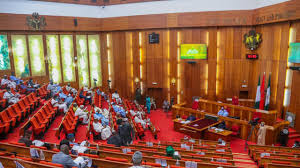

The National Assembly has approved a ₦68.3 trillion budget for the 2026 fiscal year, substantially higher than the ₦58.47 trillion initially proposed by President Bola Tinubu. The passage follows extensive legislative review and marks a significant expansion of fiscal outlays aimed at addressing infrastructure gaps and supporting key sectors of the economy.
The increase reflects the inclusion of ₦5.71 trillion in outstanding capital obligations from the 2025 fiscal year and ₦2 trillion for priority projects omitted from the original executive proposal. Lawmakers also made provisions for critical infrastructure, including light rail projects and feasibility studies for major highways, as well as ₦482.76 billion for health-sector interventions. The judiciary received additional funding to support preparations for the 2027 general elections, underscoring legislative attention to institutional capacity for electoral processes.
The approved budget allocates ₦32.2 trillion to capital projects, representing a significant commitment to infrastructure development; ₦15.8 trillion to debt servicing; and ₦15.4 trillion to recurrent spending. The oil price benchmark was raised to $75 per barrel, reflecting adjustments to global market expectations. Senate President Godswill Akpabio stated that effective implementation of the budget could help revive the economy, while lawmakers stressed the need to address delays in fund releases that have historically constrained the impact of appropriations.
From a fiscal policy perspective, the budget passage comes at a critical juncture as the administration pursues economic stabilisation alongside infrastructure investment. The substantial capital allocation signals continued prioritisation of projects that can support productivity growth, while the inclusion of outstanding obligations from the previous year highlights challenges in implementation timelines. The oil price benchmark adjustment provides fiscal flexibility but also exposes the budget to global market volatility.
For the private sector, the budget’s infrastructure provisions particularly in transportation and power could improve operating conditions if implementation proceeds efficiently. The health sector allocation similarly offers opportunities for service delivery improvements that affect workforce productivity. However, the scale of debt servicing continues to absorb a significant portion of federal resources, constraining fiscal space for other priorities.
As the fiscal year progresses, attention will shift to the pace of releases and the capacity of ministries, departments, and agencies to execute approved projects. The National Assembly has indicated it will monitor implementation to ensure that the additional appropriations translate into tangible outcomes.