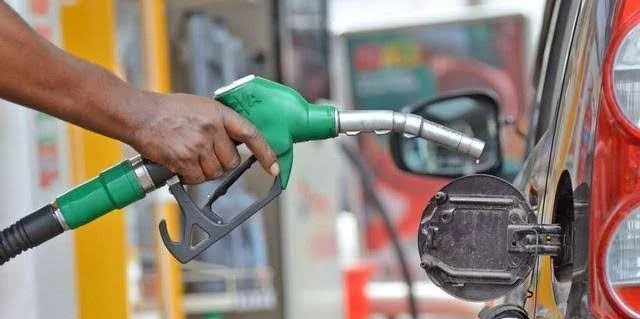

Nigeria’s petrol market is coming under fresh pressure as international crude oil prices rise above $100 per barrel, increasing concerns that the cost of importing Premium Motor Spirit (PMS) could climb further.
The development has already started affecting the domestic market, with some filling stations in Lagos adjusting their pump prices and motorists facing renewed queues.
Industry sources said major fuel depots are recording lower stock levels, while petroleum marketers are discussing how the latest increase in crude prices could affect retail prices. However, marketers have warned against making premature predictions about how high petrol prices could eventually rise.
The National President of the Petroleum Products Retail Outlets Owners Association of Nigeria (PETROAN), Dr Billy Gillis-Harry, said stakeholders are studying the situation before determining the likely impact on consumers.
According to him, the increase in international crude prices should not automatically lead to speculative predictions about petrol prices. He said discussions with industry stakeholders have provided more insight into how marketers can respond to the changing market conditions.
Despite the uncertainty, the impact is already being felt in parts of Lagos.
Checks by reporters showed petrol selling between N1,200 and N1,300 per litre along the Lagos-Ibadan Expressway, depending on the filling station, location and availability of products.
At Julanky Filling Station in Arepo, petrol was reportedly sold at N1,300 per litre, while some stations in Magboro and Warewa sold between N1,270 and N1,300.
Further into Lagos, Ardova Plc along the Airport Access Road was selling petrol at N1,290 per litre. Two Conoil stations around National, Ikeja, were also selling at the same price.
The differences in pump prices reflect variations in depot purchase costs, transportation expenses, product availability and individual marketing strategies.
One major marketer explained that imported petrol received before crude prices crossed $100 could become more expensive to replace. This means marketers may eventually have to increase selling prices if the cost of new supplies continues to rise.
The situation is closely linked to developments in the international oil market. Crude prices have surged amid concerns about disruptions to global oil supplies, particularly following attacks affecting shipping routes in the Middle East.
The Red Sea and Strait of Hormuz are important routes for international oil shipments. Any prolonged disruption could increase transportation costs and reduce the amount of crude reaching global markets.
Brent crude has recorded a sharp rise, while traders are increasingly concerned that continued geopolitical tensions could push prices even higher.
For Nigeria, the development is significant because higher global crude prices can increase the cost of imported petroleum products and place additional pressure on domestic fuel prices.
Gillis-Harry cautioned that the industry needs to carefully assess supply, landing costs and market conditions before making definite predictions.
However, with depot stocks reportedly declining and international crude prices remaining elevated, Nigerian motorists may face higher petrol prices if supply pressures continue.