
In a significant relief for households and small businesses across the country, the price of Liquefied Petroleum Gas (LPG), commonly known as cooking gas, has recorded a substantial decline. This downward trend follows months of soaring energy costs that had forced many Nigerians to seek alternative, often less environmentally friendly, fuel sources like charcoal and firewood.
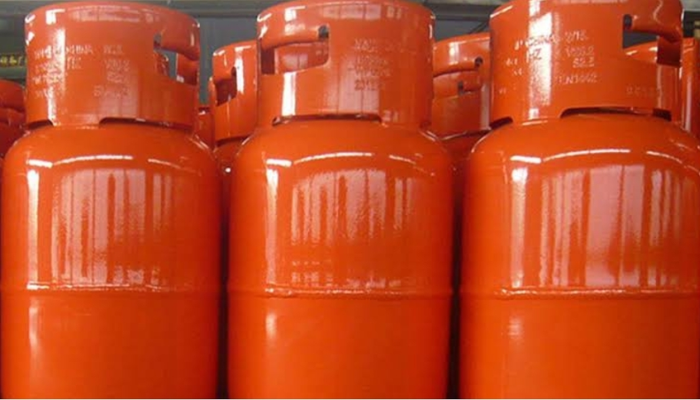
The recent price crash is attributed to a combination of strategic government interventions, an increase in domestic supply, and the relative stabilization of the Naira in the foreign exchange market. Market surveys conducted across various geopolitical zones indicate that the cost of refilling a 12.5kg cylinder, which previously peaked at record highs, has dropped by approximately 20% to 30% in several key locations.
Industry experts point to the efforts of the Nigeria LNG Limited (NLNG) and the Nigerian National Petroleum Company Limited (NNPCL) in prioritizing the domestic market. By increasing the volume of LPG allocated to local consumption and streamlining the distribution chain, the bottlenecks that previously led to artificial scarcity and price hikes have been significantly mitigated. Furthermore, the removal of Value Added Tax (VAT) and certain customs duties on imported LPG equipment has begun to yield results, lowering the operational costs for marketers.
Mr. Olatunbosun Oladapo, the National President of the Nigerian Association of Liquefied Petroleum Gas Marketers (NALPGAM), has been vocal about the factors influencing these market shifts. He noted that while the international price of gas remains volatile, the proactive measures taken by local stakeholders have helped cushion the impact on the Nigerian consumer. Oladapo emphasized that if the government continues to support the infrastructure for “last-mile” distribution, prices could stabilize even further, making the cleaner energy source accessible to low-income earners.
For many Nigerians, the price reduction is a timely intervention. In urban centers like Lagos, Abuja, and Port Harcourt, residents have expressed optimism that this trend will extend to other essential commodities. Small-scale food vendors, who rely heavily on cooking gas for their daily operations, have reported a slight ease in their overhead costs, which may eventually translate to more stable food prices for the public.
However, despite the celebration surrounding the price crash, stakeholders warn that the sustainability of these lower prices depends on consistent policy implementation. Issues such as inadequate storage facilities at the terminals and the high cost of gas cylinders remain hurdles to achieving total energy security. There are also calls for the government to further encourage private sector investment in local refineries to end the dependency on imported gas.
As the market continues to adjust, the Ministry of Petroleum Resources has reiterated its commitment to the “Decade of Gas” initiative. The goal remains to transition a majority of Nigerian households to LPG, reducing the country’s carbon footprint and improving public health by minimizing smoke inhalation from traditional fuels. For now, the crash in prices serves as a rare economic “win” for citizens navigating a challenging fiscal landscape, providing much-needed breathing room for the average Nigerian kitchen.