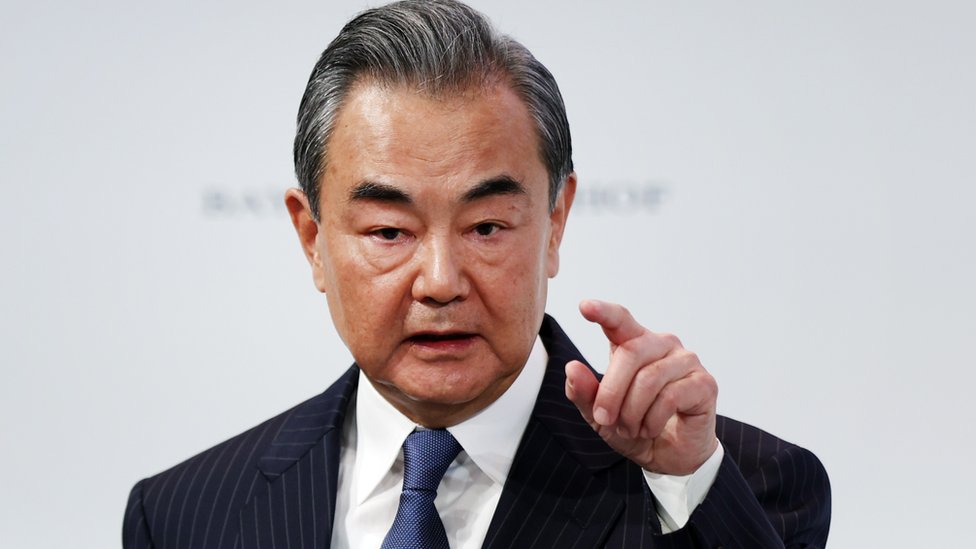

China’s top diplomat, Foreign Minister Wang Yi, is set to begin his annual New Year tour of Africa, signalling Beijing’s ongoing effort to strengthen its influence across key regions of the continent. The four-country itinerary, Ethiopia, Somalia, Tanzania and Lesotho, underscores China’s combined economic, diplomatic, and strategic priorities in Africa.
Wang’s visit to Somalia is particularly notable, marking the first trip by a Chinese foreign minister since the 1980s. The stop comes in the wake of Israel’s formal recognition of the breakaway Republic of Somaliland, and Beijing has reiterated its support for Mogadishu, aiming to solidify its presence along the Gulf of Aden, a vital corridor for Chinese trade through the Red Sea to the Suez Canal.
In Tanzania, China is advancing infrastructure and resource interests, including the refurbishment of the Tazara Railway, a key link to Zambia’s copper belt. The initiative aligns with Beijing’s broader strategy to secure critical mineral access while counterbalancing Western-backed transport corridors, such as the Lobito Corridor to Atlantic ports.
The tour concludes in Lesotho, where China aims to promote free trade and expand tariff-free market access for some of the world’s poorest nations, reinforcing its positioning as a champion of development-oriented economic partnerships in Africa.
Strategically, Wang Yi’s tour reflects China’s dual approach of combining economic investment with diplomatic engagement, leveraging infrastructure, trade, and political support to secure influence across East and Southern Africa. Observers note that Beijing’s moves are increasingly aimed at strengthening regional networks that underpin Chinese commercial interests while presenting China as a reliable partner in political and economic development.
Economically, the tour is expected to bolster Chinese projects in critical sectors such as mining, logistics, and trade facilitation, while creating opportunities for African states to access infrastructure investment and preferential market arrangements. At the same time, Beijing’s focus on strategic ports and transport corridors underscores the geopolitical dimension of its Africa policy, particularly in regions linked to global trade flows and resource supply chains.
Overall, Wang Yi’s diplomatic tour demonstrates China’s long-term commitment to consolidating influence in Africa through a blend of economic, political, and strategic engagement, reinforcing Beijing’s role as a central actor in shaping the continent’s trade, investment, and governance landscape.