


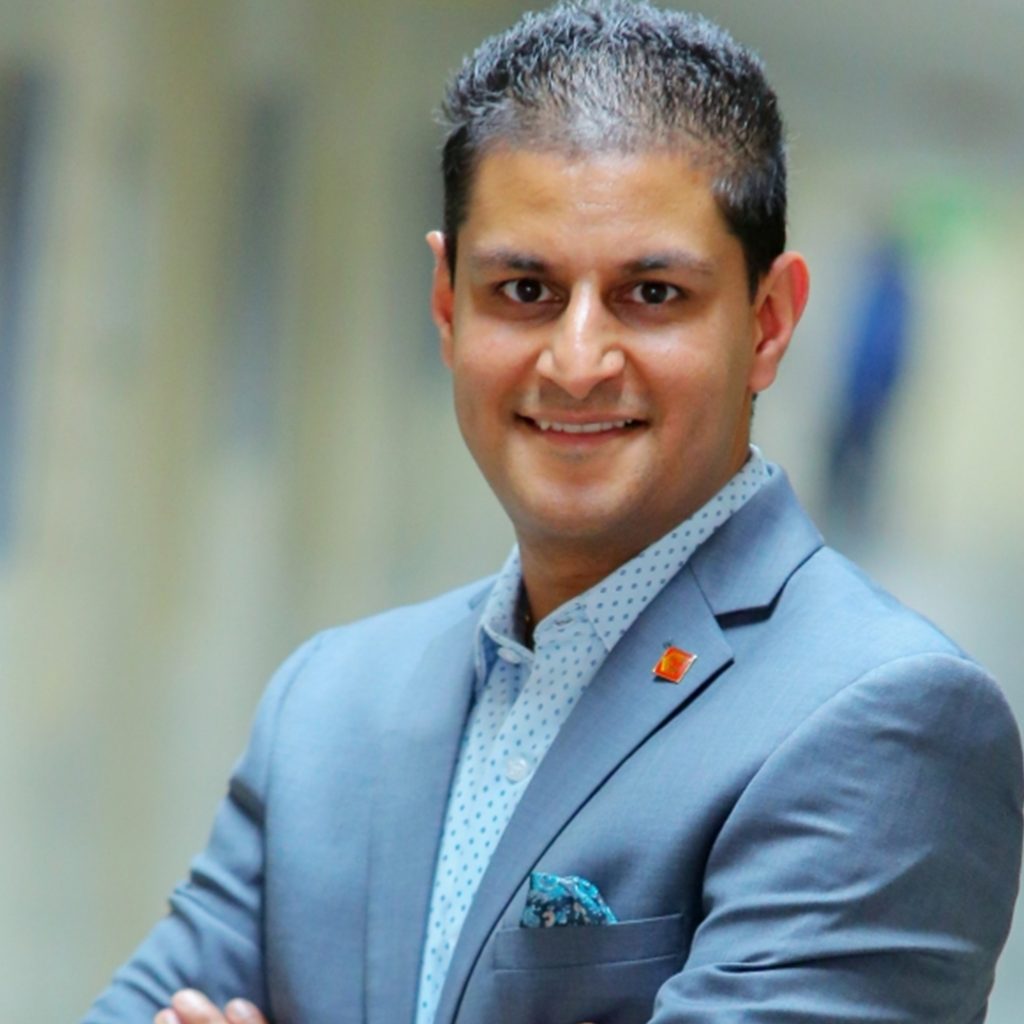

One of Kenya’s most quietly powerful business dynasties is preparing to open its doors to outside investors. Darshan Chandaria, chief executive of Chandaria Industries Ltd., announced he is establishing a formal family office to professionalize governance across the conglomerate’s diverse holdings and create structured pathways for external capital to participate in the group’s future growth.
The move represents a significant departure for a family that has operated largely outside public view since 1964, building a manufacturing empire whose products appear in virtually every home and office across East Africa. By adopting the family office model, the Chandarias signal their intent to meet global institutional standards while retaining the entrepreneurial character that built the business over three generations.
Chandaria Industries encompasses manufacturing operations, real estate developments, financial services, banking interests, insurance holdings, venture capital investments, and solar energy assets. The group’s annual revenues reached approximately $486 million in 2025, driven largely by its dominant position in tissue and hygiene products across East and Central Africa.
Family Office Designed for Governance and Capital Formation
Darshan Chandaria described the family office as serving dual purposes: tightening internal governance across increasingly complex operations, and creating structured mechanisms for outside capital to invest in the group’s various divisions.
“It is a model that Kenya’s wealthiest families are increasingly looking at as their empires mature and the question of what comes next becomes harder to ignore,” according to the announcement. Family offices provide multigenerational businesses with professional frameworks for decision-making and succession planning while making it easier to attract institutional partners who might be deterred by the informality often characterizing family-run operations.
The formalization comes as Chandaria Industries has expanded far beyond its manufacturing roots. The group’s portfolio now includes hygiene manufacturing, real estate development and financing, insurance, banking, venture capital, and solar energy, diverse holdings requiring sophisticated coordination and governance structures.
From Single Tissue Roll to Regional Manufacturing Giant
The Chandaria story mirrors the broader narrative of Asian immigrant families who helped build modern East Africa. The group traces its origins to 1964, when the family established a small tissue converting operation in Nairobi. Darshan’s grandfather had arrived from India’s Gujarat province decades earlier as part of the South Asian migration wave during the British colonial era.
What began as converting single rolls of paper into tissue has grown into a conglomerate with operations spanning Kenya, Tanzania, Uganda, India, the United Arab Emirates, and the United Kingdom. The group directly employs more than 3,000 people and supports tens of thousands more through its paper recycling supply chain, which collects and processes waste paper from across the region.
The company’s brands; including Velvex, Nice and Soft, and Toilex, have achieved near-ubiquitous presence in East African households, institutions, and commercial establishments. Its manufacturing dominance in tissue and hygiene products provides stable cash flow that has funded diversification into other sectors.


