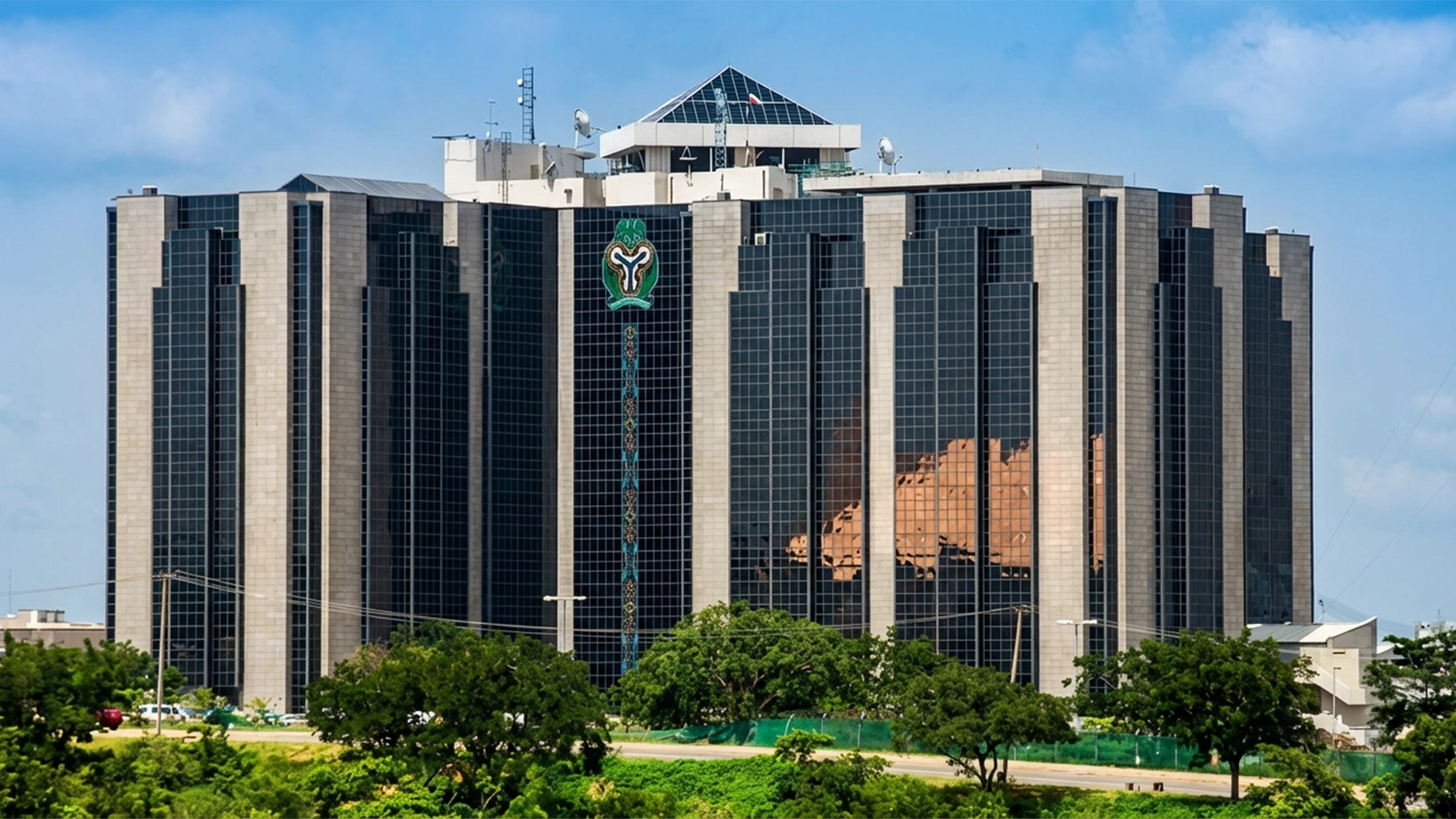

The Central Bank of Nigeria’s (CBN) decision to cut its benchmark interest rate has created room for cheaper borrowing, but the extent to which businesses and households benefit will depend on how quickly commercial banks transmit the reduction to lending rates.
At its 307th Monetary Policy Committee (MPC) meeting held on September 21 and 22, 2026, the CBN reduced the Monetary Policy Rate (MPR) by 350 basis points, from 26.5% to 23%. The CBN announced the decision on September 22, 2026, alongside a recalibration of the Standing Facilities Corridor to +50/-300 basis points around the MPR. It also retained the Cash Reserve Requirement (CRR) for deposit money banks at 45%.
The 350-basis-point reduction is the biggest single MPR cut since 2006. The CBN described the September 2026 adjustment as a reset of the policy rate, coming amid easing inflation and improving economic activity.
The decision followed a period of moderating inflation. On September 15, 2026, the National Bureau of Statistics (NBS) reported that Nigeria’s headline inflation rate fell to 15.39% in August 2026 from 15.43% in July. The August figure represented the third consecutive monthly decline in headline inflation.
For businesses, the lower MPR could reduce the cost of funds and create room for commercial banks to review their lending rates. The Centre for the Promotion of Private Enterprise (CPPE), in a statement issued on September 22, 2026, said the rate cut could reduce financing costs and support investment, production and working capital, particularly in manufacturing, agriculture, construction and logistics.
However, CPPE also called for stronger transmission of the policy decision to the real economy. The group said on September 22, 2026, that commercial banks needed to reflect the new interest-rate environment in their lending terms for businesses to feel the impact of the CBN’s decision.
The 45% CRR retained by the CBN is another factor that could influence the availability of credit. Under the September 22, 2026 MPC decision, deposit money banks continued to maintain 45% CRR, while the requirement for merchant banks remained at 16%.
Manufacturers have also raised concerns about the gap between the MPR and the actual rates paid by borrowers. On September 24, 2026, Manufacturers Association of Nigeria (MAN) Director-General Segun Ajayi-Kadir said the rate cut could have limited impact if commercial lending rates remained as high as 30%.
Ajayi-Kadir said the key issue for manufacturers was the interest rate they ultimately pay when obtaining bank loans, rather than the benchmark MPR alone. He said prime lending rates could still remain between 27% and 30% despite the new 23% MPR.
The CBN’s decision therefore creates an opportunity for lower borrowing costs, but it does not automatically translate into cheaper loans for every borrower. Banks will still consider their funding costs, credit risks, liquidity position and prevailing market conditions when pricing loans.
For businesses already facing high energy, logistics, foreign-exchange and infrastructure costs, lower interest rates alone may also not be enough to significantly reduce overall operating expenses.
The immediate test of the September 22, 2026 rate cut will therefore be whether commercial banks begin to reduce lending rates and whether that reduction improves access to credit for businesses and households.