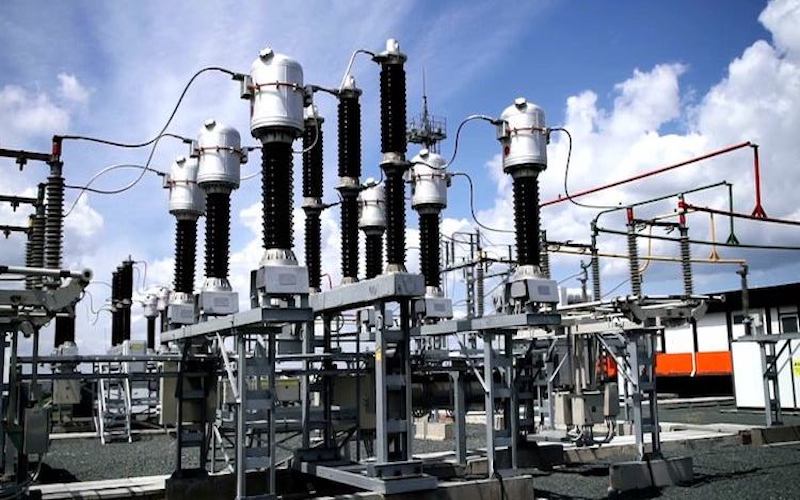

Nigeria’s electricity supply faces renewed pressure as outstanding obligations exceeding N639 billion in the gas-to-power market threaten the financial capacity of operators to sustain gas supplies to electricity generation companies.
The warning was issued by Bashiru Bello Adoke, General Manager, Gas Commercial, at NNPC, during the sixth annual conference of the Power Correspondents Association of Nigeria in Abuja on November 12, 2026, according to a report published by The Punch on Friday, November 13, 2026.
Adoke said the electricity market owed more than N630 billion for power generated and consumed by Nigerians, with The Punch reporting the figure as N639 billion. He warned that the absence of a sustainable payment mechanism was undermining gas supply and electricity generation.
He explained that gas accounts for between 60% and 75% of electricity production costs, while payments received by generation companies were insufficient to cover their obligations to gas suppliers.
According to him, monthly payments for electricity generated represented only about 40% of the corresponding energy invoices, leaving operators struggling to meet their financial commitments.
Adoke said repeated government interventions to settle outstanding debts every three or four months would not resolve the problem unless a sustainable payment arrangement was established. He warned that clearing historical debts without addressing fresh payment obligations allows arrears to accumulate again.
The warning comes amid a wider liquidity crisis involving generation companies, gas suppliers and the Nigerian Bulk Electricity Trading Plc.
On October 14, 2026, The Guardian reported that gas suppliers to power plants were owed approximately N3.3 trillion. The disclosure was made by Leye Falade, Managing Director and Chief Executive Officer of Nigeria LNG Limited, who warned that unpaid invoices were undermining domestic gas supply despite Nigeria’s substantial natural gas reserves.
The Federal Government has introduced a debt settlement programme to address accumulated obligations in the electricity market.
On April 6, 2026, the State House announced President Bola Tinubu’s approval of a N3.3 trillion settlement plan for verified legacy debts accumulated between February 2015 and March 2025.
The government subsequently raised N728.979 billion through the second series of bonds under its Power Sector Multi-Instrument Issuance Programme.
In a statement published on October 9, 2026, NBET Managing Director and Chief Executive Officer, Akin Odeyemi, announced that the company had commenced settling participating generation companies and their associated gas suppliers.
The settlement comprises N402 billion in cash bonds and N326.979 billion in non-cash bonds. NBET said the arrangement was intended to address historical obligations and improve liquidity across the electricity value chain.
The financial challenges have coincided with electricity supply disruptions across the country. On November 5, 2026, the Nigerian Independent System Operator attributed declining national grid generation to inadequate gas supply to thermal power stations and reduced water inflows into hydroelectric reservoirs.
NNPC Limited subsequently said its gas transportation network remained available, arguing that gas production, commercial supply arrangements and actual deliveries to power stations should be examined separately.
Adoke also called for increased investment in non-associated gas production, explaining that dependence on associated gas produced alongside crude oil could expose electricity generation to disruptions in oil production.
He stressed that sustained investment and a reliable payment structure were necessary to improve gas supply and strengthen electricity generation.
The latest warning highlights the financial challenges facing Nigeria’s electricity value chain, where unpaid invoices, inadequate revenue recovery and rising operating costs continue to affect the ability of companies to maintain reliable power supply.