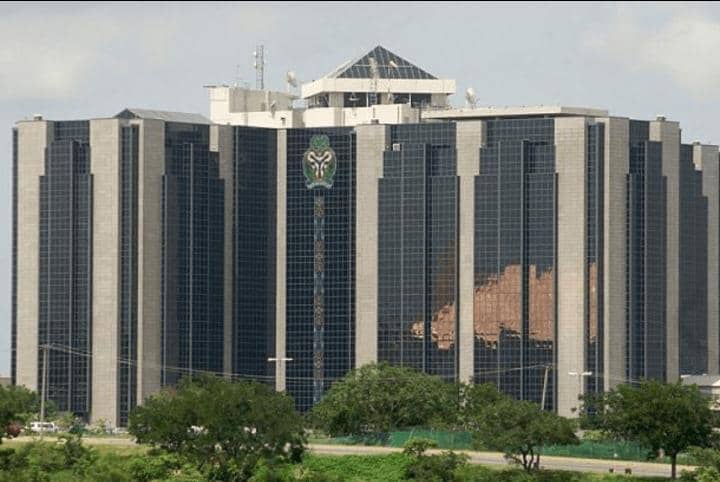

The Central Bank of Nigeria (CBN) has mandated that all banks, payment-service banks, and other regulated financial institutions immediately withdraw any advertisement found to be misleading, deceptive, or non-compliant. The directive comes after a thematic review uncovered widespread instances of adverts exaggerating benefits, omitting key information, downplaying risks, or referencing unaudited financial data, practices the CBN called misleading, anti-competitive, and harmful to market integrity.
The circular, signed by Olubunmi Ayodele-Oni, Director of Compliance at CBN, warns institutions against using comparative or superlative claims, or any de-marketing language, whether directly or indirectly. It also bans promotional schemes such as lotteries, prize draws, lucky dips, or other chance-based incentives which the bank says often distort consumers’ judgment and encourage risky financial decisions.
In addition, any future advertisement release must be preceded by a notification to the CBN. This must specify the campaign’s length, creative content, geographic and demographic target, and proof that the advert has been vetted internally by both compliance and legal departments, and that the product or service being promoted has already received CBN approval. However, the bank clarified that notification does not equal endorsement.
The regulator has given a 30-day window for all affected institutions to submit a signed compliance attestation, jointly endorsed by top executives and compliance officers, certifying that all current and planned adverts now meet the required standards. From January 2026, CBN has said it will conduct follow-up reviews and impose sanctions for any violation under the Banks and Other Financial Institutions Act 2020 (BOFIA) and the Consumer Protection Regulations 2019.
According to observers, the crackdown comes amid rising competition among banks, fintechs, and digital-payment platforms many of which have in recent years relied on flashy, incentive-heavy marketing messages to attract customers. By enforcing stricter compliance and disclosure standards, the CBN is signalling that the era of high-pressure advertising may be drawing to a close.
This push for transparency is likely aimed at restoring public trust in the financial sector and ensuring a level playing field. It may also help curb the spread of speculative, high-risk financial products marketed under misleading pretences, a concern given that fraud losses linked to digital financial platforms in Nigeria surged by 45% this year.
By cracking down on misleading adverts, the CBN aims to improve consumer confidence and reduce risky credit behavior, a move that could stabilise demand for banking services. Over time, transparent marketing may also encourage healthier competition, boosting financial-sector growth and supporting wider economic stability as trust in banks is restored.