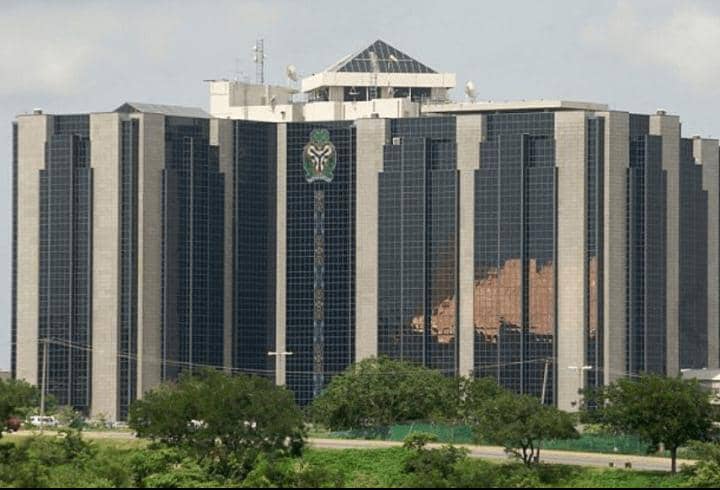

The Central Bank of Nigeria (CBN) has issued a stern warning to Nigerians over Zuldal Microfinance Bank Limited, declaring the institution illegal and unlicensed. In a statement released on Thursday, the Acting Director of Corporate Communications, Hakama Sidi Ali, made it clear that the bank operates without any regulatory approval from the apex institution.
According to the CBN, “The said Zuldal Microfinance Bank Limited is not a licensed Microfinance Bank and has no authorisation from the Central Bank of Nigeria to operate or carry out any form of banking or microfinance business in Nigeria.” The regulator emphasised that it has not granted any license to Zuldal and urged the public to disregard any claims suggesting otherwise.
The warning references the Banks and Other Financial Institutions Act (BOFIA) 2020, which prohibits any person from carrying on banking business in Nigeria without a valid CBN-issued banking license. The CBN stressed that “Section 2(1) of the law explicitly states that ‘no person shall carry on any banking business in Nigeria except it is a company duly incorporated in Nigeria and holds a valid banking licence issued by the CBN.’”
In advising Nigerians, the central bank noted: “the general public is therefore strongly advised to disregard any claims of licensing or approval by Zuldal Microfinance Bank Limited and to refrain from engaging in any financial transactions with the said entity, as such dealings are undertaken at the individual’s own risk.”
CBN added that it remains committed to safeguarding the financial system from unregulated and fraudulent institutions. It has also made available a full list of licensed financial institutions on its official website to help consumers verify legitimate banks.
Further investigation revealed that Zuldal seems to be a new operation. Its online presence, including a website, social-media promotions, and “grand opening” displays, gives a misleading impression of legitimacy. Some of its advertisements claim the bank offers Sharia-compliant services, 0% interest loans, and branches in major cities like Lagos, Abuja, Kaduna, and Kano. But crucially, Zuldal does not appear on the list of insured, licensed microfinance banks maintained by Nigeria’s Deposit Insurance Corporation (NDIC).
This regulatory clampdown underscores the fragility of Nigeria’s financial ecosystem. Unlicensed banks like Zuldal can attract deposits with misleading promises, potentially undermining financial stability. Stricter enforcement protects savers and bolsters trust, critical for Nigeria’s efforts toward deepening financial inclusion and expanding access to formal credit.