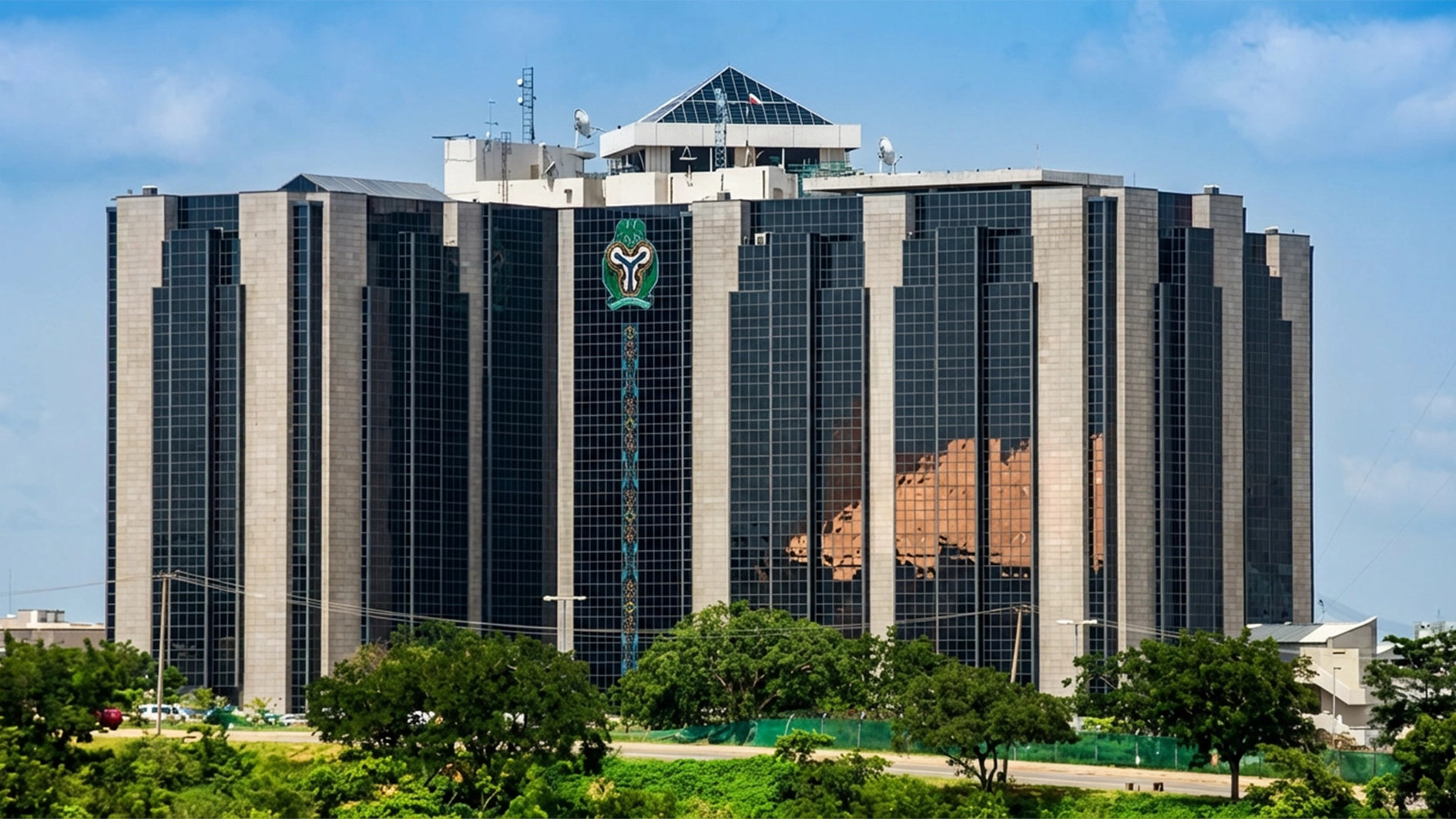

The Central Bank of Nigeria (CBN) allotted about ₦2.66 trillion in Open Market Operations (OMO) bills on Thursday, October 22, 2026, exceeding its initial ₦2 trillion offer as it moved to withdraw excess cash from the banking system.
Investors submitted bids worth approximately ₦2.7 trillion at the auction, prompting the apex bank to allot about ₦2.655 trillion across the two maturities, according to MarketForces Africa in a report published on October 22, 2026.
The allotment exceeded the initial offer by about ₦655 billion, or 32.8%, highlighting the CBN’s willingness to accept more subscriptions than the amount initially advertised as it manages elevated liquidity in the financial system.
MarketForces Africa reported that the 138-day bills attracted an allotment of approximately ₦855.2 billion at a stop rate of 17.63%, while the 180-day bills received about ₦1.8 trillion at a stop rate of 17.14%.
The auction comprised an initial offer of ₦1 trillion each for the 138-day and 180-day instruments.
The larger allotment came as banking system liquidity climbed sharply following repayments on maturing securities.
According to the Financial Markets Dealers Association (FMDA), system liquidity rose by 69.39% to ₦6.283 trillion in the week ended October 16, 2026, from ₦3.709 trillion in the preceding week.
BusinessDay reported the figures on October 20, 2026, citing the association’s weekly market report.
The increase followed the CBN’s repayment of approximately ₦2.408 trillion in maturing OMO bills on October 13, 2026, which released substantial funds into the banking system.
Nairametrics reported on October 16, 2026, that banks’ net placements at the CBN’s Standing Deposit Facility rose to approximately ₦6.08 trillion by October 16, reflecting the volume of surplus funds held with the apex bank.
The Standing Deposit Facility allows banks to deposit excess funds with the CBN and earn interest. Rising placements can indicate that banks have more funds available than they immediately need for settlement and other short-term purposes.
The latest OMO auction provides a channel for the central bank to absorb some of that liquidity by selling securities to investors. Once investors pay for the bills, the funds are withdrawn from immediately available balances in the financial system.
The CBN’s initial ₦2 trillion offer was close to the ₦2.067 trillion in OMO maturities projected for the week beginning October 19, according to FMDA data reported by BusinessDay on October 20.
However, the final allotment of about ₦2.655 trillion was higher than the initial offer, increasing the amount absorbed through the auction.
The operation comes amid elevated yields in Nigeria’s fixed-income market. BusinessDay reported on October 20 that average Federal Government bond yields rose to 16.43% in the week ended October 16, while average Treasury bill yields increased to 18.23%.
The extent to which the latest auction will ease liquidity pressures will depend on subsequent maturities, government spending and other financial market flows. Its effects on inflation and the naira will also depend on broader monetary and foreign exchange conditions.