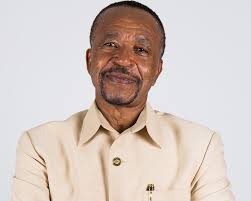

Cameroonian financier Paul Fokam, founder of Afriland First Group, has announced plans to open a new banking subsidiary in N’Djamena, Chad, marking a major step in the group’s two-decade-long regional expansion strategy.
Fokam met Chadian President Mahamat Deby Itno in Abu Dhabi last week to finalise plans for the bank’s operations. The new branch is expected to start functioning within the coming months. Afriland First Group has previously supported the Chadian economy through significant financing, and the physical presence is expected to strengthen this contribution, potentially increasing access to credit for local businesses and farmers.
Regional Banking Growth and Digital Expansion
The expansion follows approval from the Central African Banking Commission to open branches under a single-license framework across six CEMAC countries, including Chad. Afriland First Bank, Cameroon’s largest lender, now has the regulatory green light to extend its services into Chad, Congo, and the Central African Republic. The bank has also emphasised digital banking as a priority, which could reduce costs for everyday transactions and bring more convenient financial services to communities previously underserved by traditional banks.
Economic Implications for Citizens
By establishing a local branch, Afriland could improve liquidity, enhance lending to small and medium enterprises, and support industrial and infrastructure projects. These developments are likely to benefit ordinary citizens by creating jobs, facilitating access to loans, and stabilising local markets. Observers say the move signals a growing confidence in regional trade and investment, potentially lowering the cost of doing business for Chadian entrepreneurs and boosting economic activity.
Founded in 1987, Afriland First Bank now operates 87 branches, 218 ATMs, and 386 electronic payment terminals across nine African countries. With more than 705,000 customers, the bank has a track record of backing long-term development projects, including a $2.7 billion investment in Cameroon’s economy in 2023.