
Nigeria’s beer companies are spending heavily to keep their brands in front of consumers, with the country’s three listed brewers committing more than ₦220 billion to advertising, marketing and distribution in the first half of 2026.
The spending by Nigerian Breweries Plc, Guinness Nigeria Plc and International Breweries Plchighlights the intensity of competition in Nigeria’s alcoholic beverage market, where companies are battling not only for sales but also for visibility, retail space and access to consumers.
Industry analysis puts the combined advertising and distribution expenditure of the three listed brewing companies above ₦220 billion in the six months to June 2026. The figure was reported as competition intensified across the sector.
The spending means that, collectively, the companies were committing more than ₦36 billion every month, or roughly ₦1.2 billion a day, to activities linked to promoting their brands and getting products to consumers.
For an industry built around familiar names such as Star, Goldberg, Trophy, Hero and Guinness, the figures show that winning consumers requires considerably more than producing beer.
Nigerian Breweries accounted for the largest share of the spending.
The company reported strong growth in selling, distribution and administration expenses during the first quarter, with the combined cost rising from ₦81.78 billion in Q1 2025 to ₦93.41 billion in Q1 2026. The company attributed the increase partly to higher brand and sales activities.
Its wider financial performance also demonstrates the size of the market it is defending. Nigerian Breweries recorded revenue of more than ₦800 billion in H1 2026, making it one of the largest consumer-goods businesses in the country by revenue during the period.
The company’s marketing and distribution machine covers far more than traditional advertising. Its operations involve distribution, transportation, event management, advertising and marketing communications, all of which help move its brands from breweries to consumers.
Guinness Nigeria is also spending aggressively to protect and expand its position.
The brewer recorded ₦265.04 billion in revenue in H1 2026, while its marketing and distribution expenses remained significant as the company sought to grow its portfolio and maintain consumer demand.
International Breweries, which produces brands including Trophy and Hero, is another major player in the spending race. Industry reports put its advertising, promotion and distribution costs at more than ₦40 billion during the first half of the year.
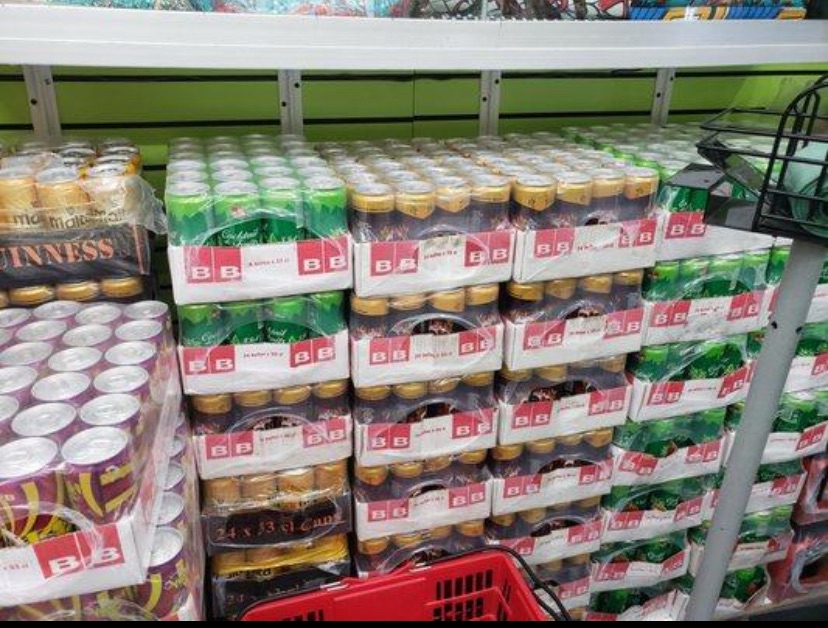
The competition is particularly important because beer is a consumer product where purchasing decisions can be influenced by brand familiarity, promotions, social events and availability.
A customer may ask for a particular beer at a bar, but if that brand is unavailable, the sale can quickly move to a competitor.
That makes distribution almost as important as advertising.
The large expenditure also reflects the cost of competing in Nigeria’s challenging operating environment.
Brewers have to deal with higher production costs, logistics expenses, inflationary pressure and changing consumer purchasing power. At the same time, they cannot afford to disappear from the market.
A brewer can have a strong product, but maintaining visibility requires continuous investment in television and digital advertising, sponsorships, promotions, outdoor campaigns, consumer activations and retail relationships.
Products have to move from factories to depots, distributors, wholesalers, supermarkets, bars, restaurants and neighbourhood stores. Every additional stage comes with transportation, warehousing and operating costs.
This explains why the beer battle is not simply an advertising contest. It is a fight for the entire consumer journey — from seeing a brand advertisement to finding the product on a shelf or inside a refrigerator.
The key question for investors is whether the billions being spent are generating enough additional sales and profit to justify the cost.
Nigerian Breweries, Guinness Nigeria and International Breweries all operate in a market where brand loyalty can be valuable, but consumers are also highly sensitive to prices and household income pressures.
That leaves brewers with a difficult balancing act: spend enough to keep their brands relevant, but control costs enough to protect profitability.
The ₦220 billion-plus H1 spending therefore tells a bigger story about Nigeria’s beer industry. Behind every billboard, football sponsorship, social-media campaign, promotion and delivery truck is a company trying to make sure that when consumers are ready to buy a beer, its brand is the one they remember — and the one they can actually find.