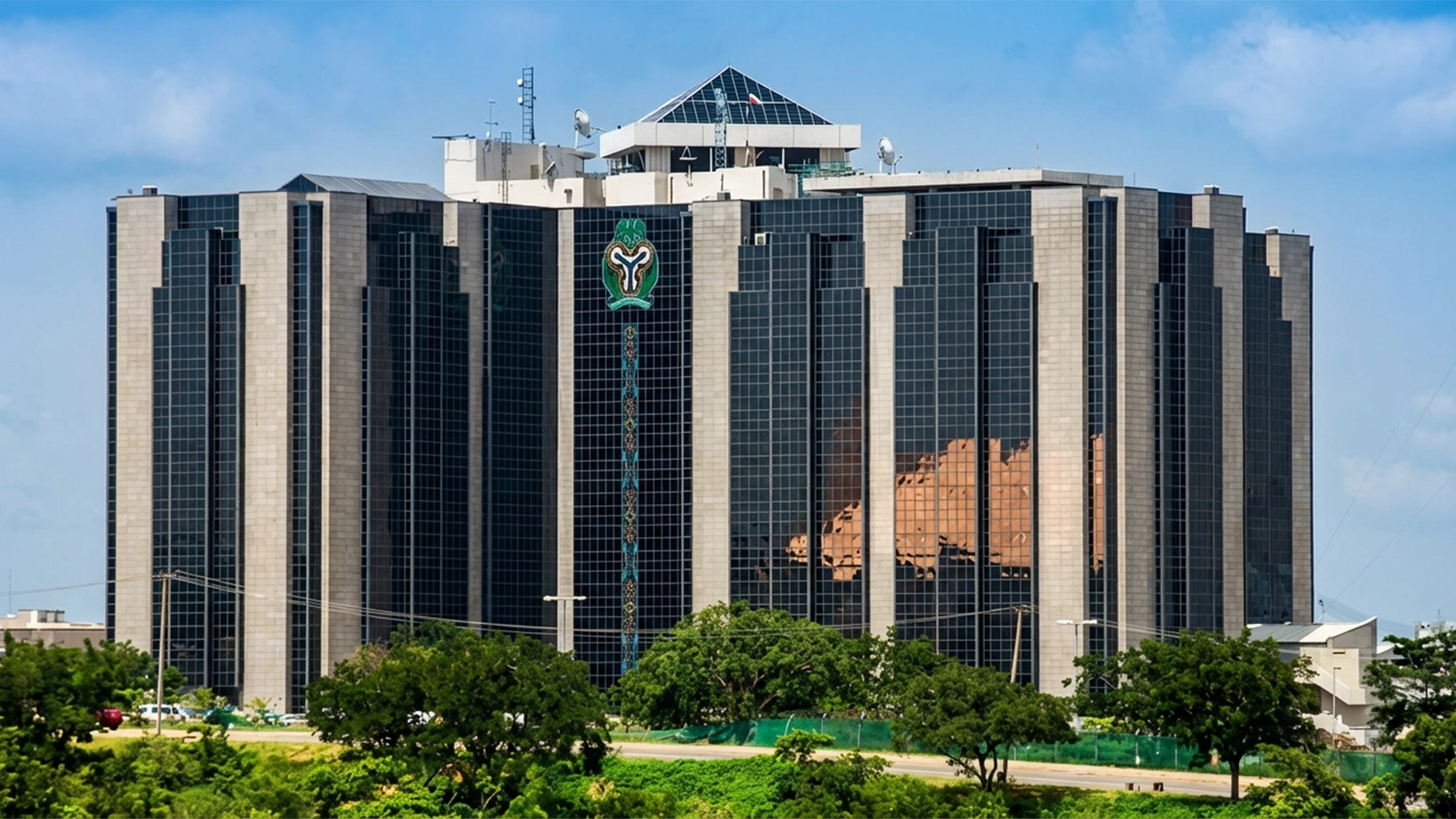

The Central Bank of Nigeria (CBN) has cut its benchmark interest rate by 350 basis points to 23% from 26.5%, in a major monetary policy reset announced after its September meeting.
CBN Governor Olayemi Cardoso announced the decision on Tuesday, September 22, 2026, at the end of the Monetary Policy Committee’s 307th meeting in Abuja.
The reduction takes the Monetary Policy Rate (MPR) to 23%, after the committee retained it at 26.5% at its May and July meetings. The CBN also recalibrated the Standing Facilities Corridor to +50/-300 basis points around the new MPR.
However, the apex bank retained the Cash Reserve Requirement (CRR) at 45% for deposit money banks, 16% for merchant banks and 75% for non-Treasury Single Account public-sector deposits.
Cardoso said the decision should be viewed as an operational reset rather than a change from the CBN’s restrictive monetary policy stance. He said the adjustment was intended to improve the transmission of monetary policy and restore the MPR’s role as the key signal for market interest rates.
The decision comes as Nigeria’s inflation rate continues to moderate. Data from the National Bureau of Statistics showed that headline inflation fell to 15.39% in August 2026 from 15.43% in July, while food inflation dropped to 19.57% from 20.31%.
The MPC also cited improved foreign exchange conditions and stronger external buffers. According to the CBN, Nigeria’s gross external reserves stood at $55.25 billion as of September 18, 2026, while the country recorded a $3.51 billion balance of payments surplus in the second quarter.
The rate adjustment could influence borrowing costs, deposit rates and returns on fixed-income investments as banks and other financial institutions respond to the new benchmark. However, the reduction in the MPR does not automatically mean commercial banks will immediately reduce their lending rates by the same margin.
The CBN said it would continue to monitor inflation, liquidity, foreign exchange conditions and other economic indicators as it implements the recalibrated monetary policy framework.