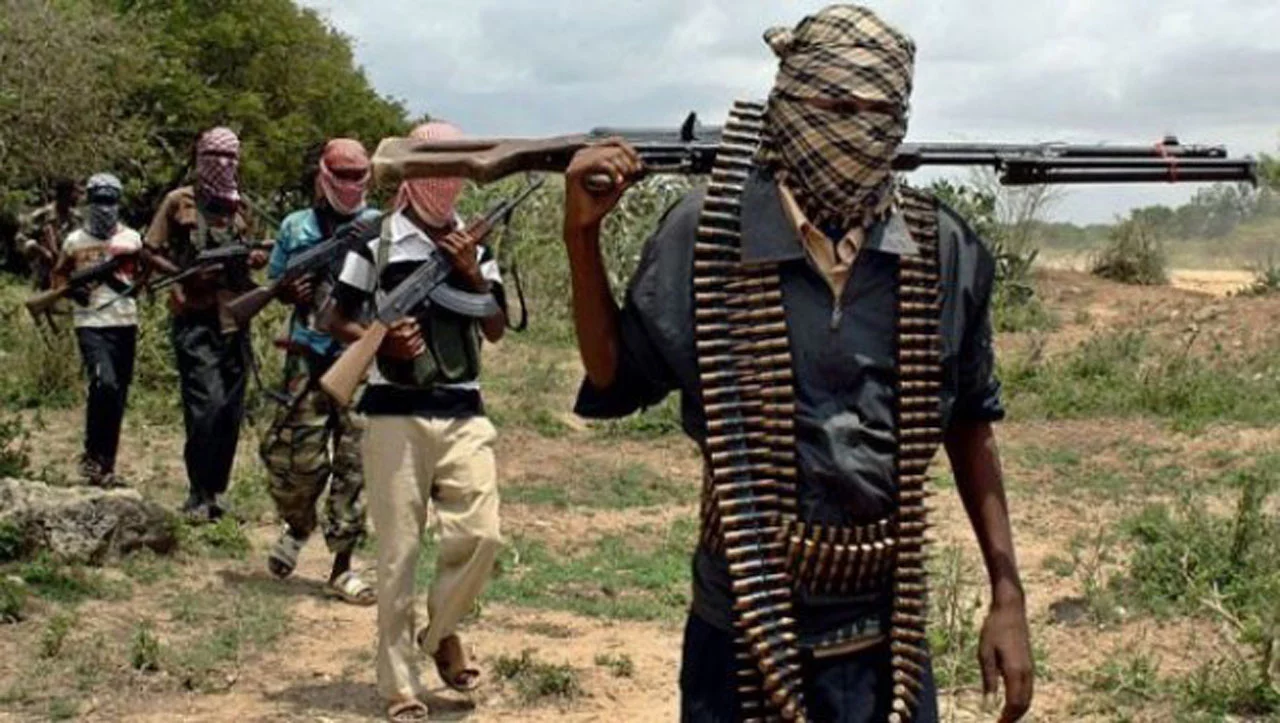

The fragile economic stability of Plateau State’s capital was dealt a severe blow on Sunday evening as unidentified gunmen launched a lethal assault on the Anguwan Rukuba junction in Jos North.
The attack, which targeted local youths, has not only claimed lives but also triggered a ripple effect of fiscal uncertainty, forcing a halt to the bustling evening trade that defines the city’s informal economy.
Gunmen Strike the Heart of Jos North’s Commercial Corridor
Witness accounts describe a scene of chaos at the Anguwan Rukuba junction, a strategic transit point for small-scale traders and commuters. Assailants operating on motorcycles, the preferred mobility for rapid urban strikes, opened fire sporadically, turning a typical Sunday evening into a landscape of carnage.
“The attackers just rode past and started shooting. People were running in different directions,” a resident told newsmen under the condition of anonymity. The immediate aftermath saw a complete collapse of order, with angry youths erecting barricades across major roads, effectively severing the logistics chain for goods moving through the northern axis of the city.
The Fiscal Toll: Curfews and the Shrinking Business Window
The inevitable imposition of security restrictions and the voluntary closure of shops due to fear represent a massive “security tax” on the people of Jos. For a city that serves as the commercial nerve center of the Middle Belt, the disruption of the “night economy”, vendors, transportation services, and hospitality hubs, translates into millions of Naira in lost daily turnover.
Economists warn that recurring volatility in Jos North is driving a “capital flight” to more stable regions. The Plateau State Ministry of Commerce has previously noted that insecurity remains the primary deterrent to reviving the iconic Jos Main Market and attracting the Foreign Direct Investment (FDI) needed to tap into the state’s vast mineral and agricultural wealth.
From Rural Grazing to Urban Centres
This latest urban incursion follows a devastating month for the state’s broader economy. Only weeks ago, an ambush in the Kanam Local Government Area claimed the lives of 20 security personnel and vigilantes. That attack was accompanied by the looting of properties worth millions and the rustling of massive cattle herds, the primary asset class for the region’s agrarian communities.
The Kanam Development Association (KADA) highlighted that these are not isolated incidents but a systemic erosion of the state’s productive capacity. By targeting both rural cattle-rearing zones and urban trading junctions like Anguwan Rukuba, insurgents are effectively strangling the supply chains that link Plateau’s farmers to its city consumers.
As the Commissioner of Police, Bassey Ewah, and other authorities face mounting pressure to restore order, the business community remains on edge. Every hour of a curfew or a road blockade is a lost man-hour that a struggling economy can ill afford. For the residents of Jos, the cost of this violence is measured not just in lives lost, but in the slow death of the “Home of Peace and Tourism” as a viable destination for trade and investment.