
Friday, April 17, 2026
  • Login
No Result
View All Result
The Business Times
  • News
  • BT Exclusive
  • Economy
  • Business
  • Financial Markets
  • Politics
  • Energy
  • Insights
  • Sports
  • News
  • BT Exclusive
  • Economy
  • Business
  • Financial Markets
  • Politics
  • Energy
  • Insights
  • Sports
No Result
View All Result
The Business Times
No Result
View All Result
Home Environment

Infrastructural Deficits Exposed by Heavy Ghana Rainfall

byAyotunde Abiodun
March 30, 2026
in Environment, Africa
0
Infrastructural Deficits Exposed by Heavy Ghana Rainfall
7
VIEWS
Share on FacebookShare on Twitter

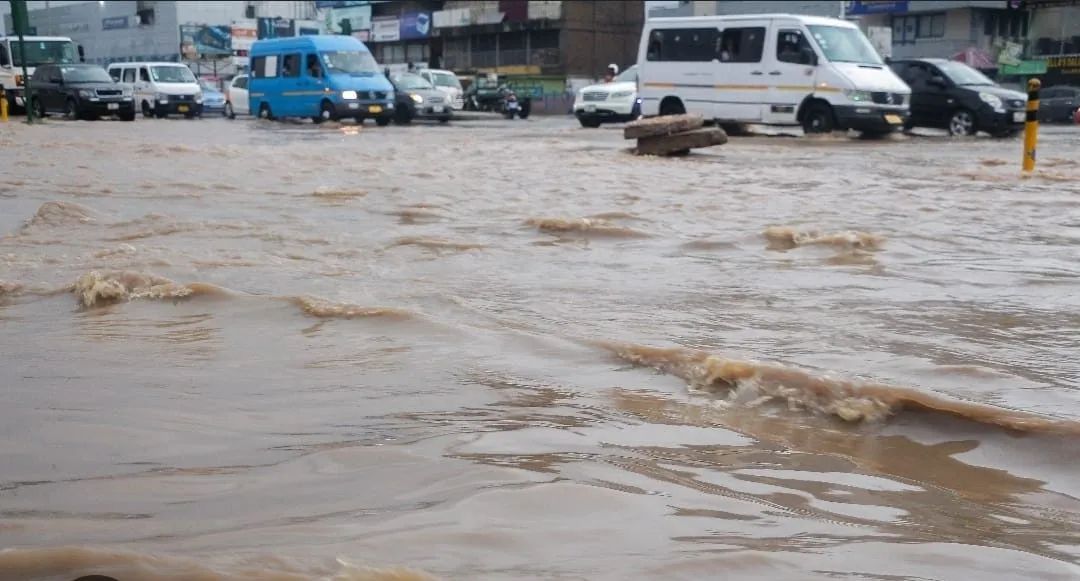
A severe overnight downpour on Sunday, March 29, 2026, has once again exposed the vulnerability of Ghana’s urban infrastructure, causing widespread flooding and social disruption across key regions. The rainfall, which began at approximately 03:30 hours, hit the Greater Accra, Ashanti, and Central regions particularly hard, with low-lying areas like Nima, Kaneshie, and Mallam Junction submerged under water. For the Ghanaian economy, these recurring flood episodes represent a significant “hidden tax” on productivity, as transportation networks are paralyzed and small-scale commercial activities are halted. The timing of the rains also coincided with Palm Sunday celebrations, disrupting religious and social gatherings essential to the local informal economy.

The economic toll of these floods is compounded by the persistent failure of drainage systems that have seen little effective upgrade despite decade-long warnings. Since 2015, major flood events in Ghana have resulted in an estimated $1.7 billion in economic losses, affecting everything from residential property to critical utility infrastructure. From a business journalism perspective, the continued inundation of commercial hubs like Accra Central underscores a critical lack of land-use enforcement and urban planning. The resultant power outages and waterlogging not only destroy physical assets but also increase the risk of waterborne diseases, further straining a public healthcare system already dealing with fiscal constraints.

Addressing this crisis requires more than reactive disaster management; it necessitates a massive, sustained investment in resilient urban infrastructure. The Ghana Meteorological Agency’s 24-hour warning provided some lead time, but the lack of adequate drainage meant that even with prior knowledge, communities remained largely defenseless. For Ghana to maintain its status as a leading destination for investment in West Africa, the government must prioritize the modernization of its primary drainage channels and enforce strict building regulations in floodplains. Until these structural gaps are closed, the annual rainy season will continue to act as a recurring shock to national GDP and a persistent threat to the livelihoods of thousands of citizens.

Tags: Drainage SystemsEconomic ImpactGhana FloodsGreater AccraNADMONana Akufo-AddoNatural Disasters.Palm Sundayurban infrastructure
Ayotunde Abiodun

Ayotunde Abiodun

Next Post
Power Stability Drive: Côte d’Ivoire Invests 700 Billion CFA

Power Stability Drive: Côte d’Ivoire Invests 700 Billion CFA

Leave a Reply Cancel reply

Your email address will not be published. Required fields are marked *

Recommended

Accord Vows ‘No Godfathers’ as It Bids to Secure Governor Adeleke

Accord Vows ‘No Godfathers’ as It Bids to Secure Governor Adeleke

4 months ago
How Nigeria’s New Vehicle Policy Is Reshaping the Cost of Car Ownership

How Nigeria’s New Vehicle Policy Is Reshaping the Cost of Car Ownership

2 weeks ago

Popular News

  • Three Million Nigerians in Gig Economy, Nearly a Quarter in Ride-Hailing, Bolt Report Says

    Three Million Nigerians in Gig Economy, Nearly a Quarter in Ride-Hailing, Bolt Report Says

    0 shares
    Share 0 Tweet 0
  • South-South States Miss Education Funding Benchmark Despite Oil Windfall

    0 shares
    Share 0 Tweet 0
  • Bird Strikes Ground Two United Nigeria Airlines Aircraft in 24 Hours

    0 shares
    Share 0 Tweet 0
  • Reps Probe $460m FCT CCTV Project as Residents Demand Accountability

    0 shares
    Share 0 Tweet 0
  • Kenya Hikes Fuel Prices as Supply Tightens, Driving Up Transport Costs

    0 shares
    Share 0 Tweet 0

Connect with us

Facebook Twitter Instagram TikTok

Newsletter

Pages

  • About Page
  • Contact
  • Privacy Policy
  • Terms & Conditions

Navigation

  • News
  • BT Exclusive
  • Economy
  • Business
  • Financial Markets
  • Politics
  • Energy
  • Insights
  • Sports

© 2025 The Business Times NG .

Welcome Back!

OR

Login to your account below

Forgotten Password?

Retrieve your password

Please enter your username or email address to reset your password.

Log In
No Result
View All Result
  • Home
  • News
  • BT Exclusive
  • Economy
  • Business
  • Financial Markets
  • Politics
  • Energy
  • Insights
  • Sports

© 2025 The Business Times NG .