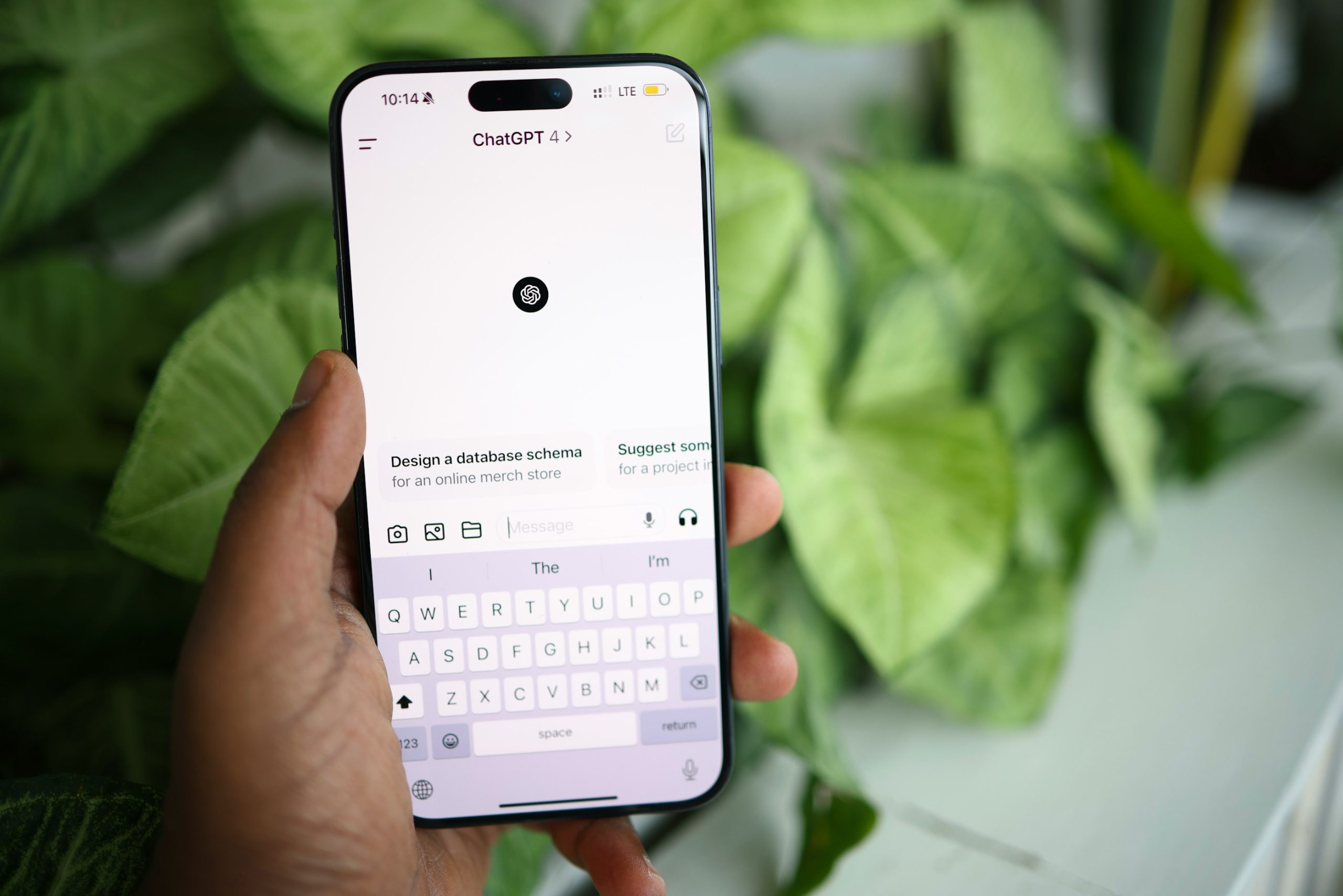

A quiet revolution is underway in Nigeria’s healthcare economy, driven not by government policy or international aid, but by algorithms and smartphone screens. Across the country, a growing ecosystem of AI-powered mental health chatbots is rapidly filling a void created by decades of chronic underinvestment in public health infrastructure. With only 262 psychiatrists serving a population of over 240 million, and private therapy sessions costing as much as N50,000—equivalent to a week’s groceries for many families—startups offering free or low-cost digital counselling are not merely innovating; they are responding to a structural market failure with profound economic consequences.
The fiscal dimensions of Nigeria’s mental health crisis are stark. Between 2015 and 2025, the federal government consistently allocated less than 5 percent of the national budget to healthcare, far below the 15 percent target agreed by African Union signatories in the 2001 Abuja Declaration. The 2026 allocation stands at just 4.2 percent. This persistent underfunding has created a treatment gap of catastrophic proportions. More than 90 percent of Nigerians lack health insurance, and the recent dismantling of USAID programmes under the Trump administration has further eroded primary care services, leaving millions with no access to mental health support and no financial means to procure it privately.
Into this breach have stepped platforms like FriendnPal, Blueroomcare, and HerSafeSpace. These ventures operate on a fundamentally different economic model from conventional therapy. FriendnPal offers a pay-as-you-go structure, while Blueroomcare provides subscription plans ranging from N5,000 to N51,000. HerSafeSpace’s Chat Kemi service, accessible via WhatsApp, is entirely free and available in multiple local and international languages. Founder Abideen Olasupo frames the mission in terms of access: “Our major objective is to support young girls, who are particularly vulnerable to gender-based violence, especially online.” The platform has already served 1,600 users across three continents.
The economic implications extend far beyond individual affordability. Untreated mental health conditions impose massive productivity losses on the Nigerian economy through absenteeism, presenteeism, and reduced labour force participation. By providing accessible first-line intervention, these platforms function as a form of preventive economic infrastructure. Esther Eruchie, who created FriendnPal following her mother’s death from depression, notes the platform has conducted over 10,000 sessions in the past year alone. Each session represents not only relief for an individual but potential preservation of their economic contribution.
The business model itself is generating new economic activity. These startups employ Nigerian psychologists and therapists to script the AI responses, creating demand for mental health professionals while simultaneously expanding their reach. They are building technology teams, forming partnerships with NGOs and corporate clients, and attracting investment. Blueroomcare founder Moses Aiyenuro, who started the platform after his own struggles with depression, explicitly identifies the economic barrier as his target: “Therapy was often too expensive, and there weren’t enough professionals to meet the demand. I wanted to build a platform that lowers the barriers to care.”
Yet this emerging sector operates in a regulatory grey zone with significant economic risk. Nigeria’s 2023 Data Protection Act establishes baseline privacy standards, but as cybersecurity expert Avril Eyewu-Edero warns, without strong database protections, sensitive medical information becomes vulnerable the moment it enters an AI system. “If startups fail to prioritise privacy and encryption from the outset, adoption will stall,” she states. “Nigerians are eager but wary.” A major data breach could not only harm users but destroy consumer confidence in the entire digital health sector, chilling investment and innovation.
Public health consultant Dr. Alero Roberts of the University of Lagos calls for enforceable national AI standards. “AI chatbots for mental health are an innovative solution, but without robust regulation, we are venturing blindly into potentially dangerous territory,” she argues. The absence of a clear regulatory framework creates uncertainty for investors and founders alike, potentially constraining the very innovation the government seeks to encourage. Babatunde Bamigboye of the Nigeria Data Protection Commission maintains that existing data protection law governs AI applications, but acknowledges the framework focuses on “data ethics, testing within sandboxes, and risk mitigation” rather than AI-specific legislation.
For the Nigerian economy, the stakes are significant. A vibrant, well-regulated digital mental health sector can reduce the productivity losses associated with untreated illness, create skilled employment, attract investment, and alleviate pressure on an overburdened public health system. It can also position Nigeria as a hub for health technology innovation across Africa. Conversely, a sector crippled by data breaches, regulatory confusion, or consumer distrust represents a missed opportunity of substantial proportions.
Oluwakemi Oluwakayode, a Lagos mother using FriendnPal while her daughter endures seizures from cerebral palsy, articulates both the promise and the limitation of this new economy. “I know it’s not a real human,” she says. “But at 2am, it feels like someone is there for me. And that’s enough to keep me going.” For millions of Nigerians, the algorithm is not a replacement for care. It is the only care they have.