
African regional development banks are entering a new phase of growth and financial resilience, with S&P Global Ratings projecting a sharp rise in their capacity to fund infrastructure, climate, and development projects across the continent. In its Supranationals 2025 Special Edition, the ratings agency said recent updates to its multilateral lending framework will enable global development banks to increase their risk-adjusted capital ratios by about 10%, potentially unlocking up to $800 billion in additional sovereign lending capacity worldwide.
For Africa, this shift could be transformative. As many countries face tightening access to international markets and rising debt costs, institutions such as the African Development Bank (AfDB), East African Development Bank, African Trade & Investment Development Insurance (ATIDI), and the Arab Bank for Economic Development in Africa (BADEA) are expected to step in to fill critical financing gaps. These lenders are increasingly central to the continent’s development architecture, offering an alternative source of long-term capital at a time when global risk appetite toward African debt remains subdued.
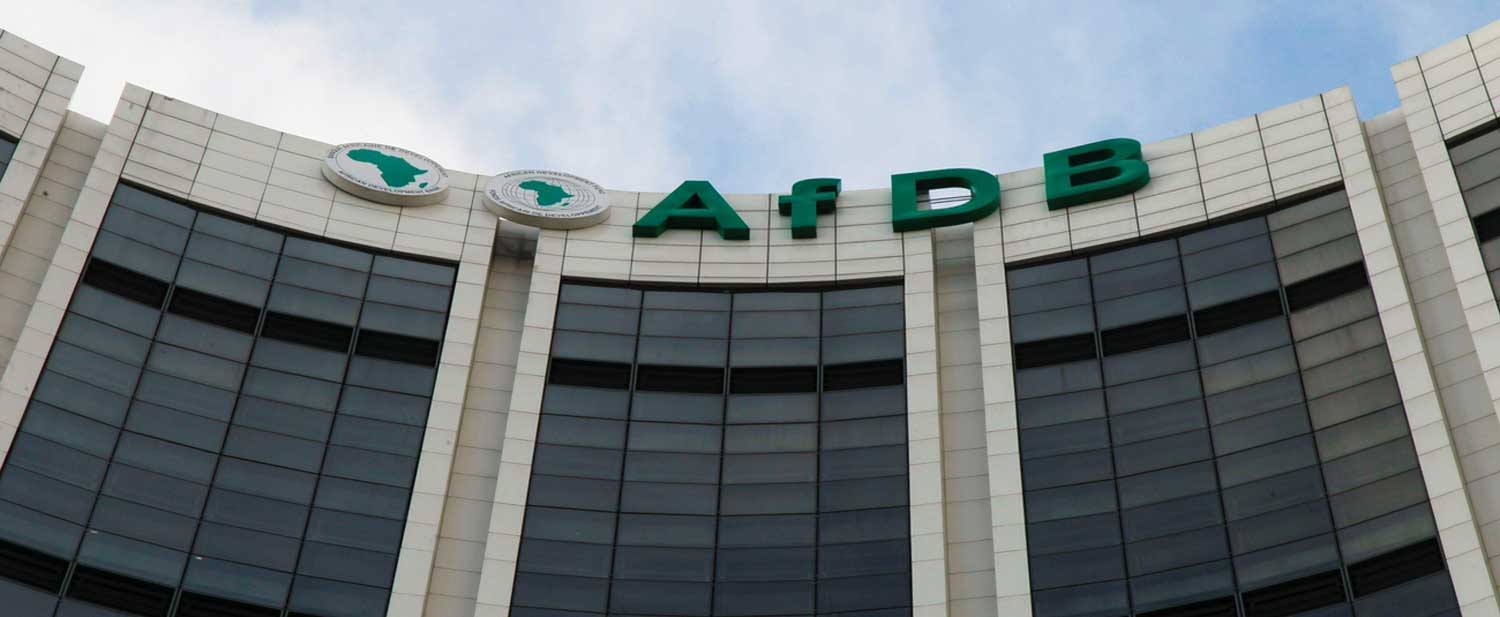
The AfDB continues to anchor this ecosystem. S&P reaffirmed its AAA credit rating, citing “extremely strong” capital adequacy and prudent risk management. The bank expanded its loan portfolio to $27.3 billion in 2024, reflecting rising demand for financing in renewable energy, digital infrastructure, and food security. The AfDB has also deepened private-sector engagement through blended finance and green bonds, reinforcing its role as Africa’s leading multilateral lender. BADEA, meanwhile, has set an ambitious target to disburse roughly $18 billion between 2025 and 2029, further broadening its support for regional integration and trade facilitation.
S&P’s revised assessment framework also favours the use of hybrid capital instruments and loan exposure swaps, two mechanisms that enhance the resilience and flexibility of development banks. Hybrid capital tools allow multilaterals to raise funds that count as equity for credit purposes, while exposure-exchange agreements enable lenders to swap portions of their loan books, diversifying risk across regions and sectors. These innovations have become increasingly important as global interest rates rise, putting pressure on borrowing costs and liquidity conditions.
The expected expansion in regional development bank lending comes at a crucial moment. Many African governments are contending with fiscal imbalances following years of post-pandemic recovery spending, currency depreciation, and debt restructuring. According to S&P, enhanced lending capacity among supranationals could ease short-term financing stress and sustain capital flows into priority sectors such as transport, energy, and water infrastructure, areas that remain chronically underfunded.
From an economic standpoint, increased multilateral lending could bolster growth momentum in 2025 and beyond by crowding in private investment and cushioning sovereign balance sheets. Development banks often serve as catalysts for broader financing, providing guarantees, co-lending facilities, and risk insurance that lower the barriers for private investors. As traditional bilateral aid declines and Eurobond issuance remains constrained, this expanded capacity could become a lifeline for many African economies navigating high debt service burdens and limited fiscal space.
However, the shift also raises questions about long-term sustainability. Greater lending capacity may encourage governments to rely more heavily on concessional financing instead of undertaking structural fiscal reforms. Moreover, even with stronger capital buffers, regional banks will need to balance their developmental mandates with prudent risk management to avoid overexposure to fragile economies. The growing complexity of Africa’s debt landscape—with a mix of commercial, bilateral, and multilateral obligations—means that coordination among lenders will be essential to avoid repeating past debt crises.
For investors, S&P’s analysis offers reassurance about the stability of Africa’s leading development institutions. The reaffirmation of AfDB’s AAA rating and the growing scale of BADEA’s disbursements signal confidence in Africa’s multilateral system as a credible countercyclical stabiliser. By maintaining robust governance standards and innovative funding structures, these institutions are positioning themselves as key intermediaries between global capital markets and African development priorities.
In the broader context, this evolution could redefine how Africa finances its growth over the next decade. As climate adaptation, digital transformation, and industrial diversification gain prominence, access to affordable and flexible capital will be critical. Regional development banks, armed with expanded lending power and improved risk frameworks, are now better placed to deliver that support, helping African nations sustain development progress even in an era of global financial tightening.
If effectively deployed, the new capital headroom identified by S&P could mark a turning point in Africa’s development financing story, shifting the continent from dependence on short-term or external debt cycles toward a more sustainable, institutionally driven growth model.