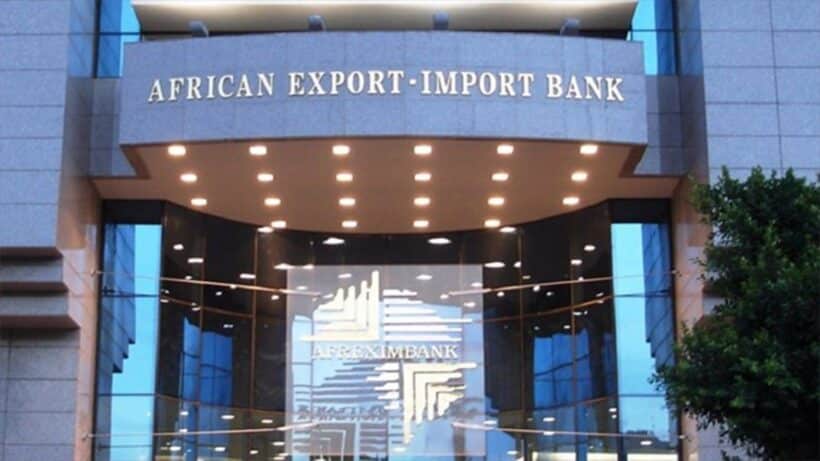

In a decisive move that underscores the growing friction between African financial institutions and global credit assessors, the African Export-Import Bank (Afreximbank) has officially terminated its credit rating relationship with Fitch Ratings. The announcement, made on Friday, January 23, 2026, follows a comprehensive review by the bank’s leadership, which concluded that Fitch’s rating methodology no longer adequately captures the bank’s unique structural strengths or its core mandate.
The Cairo-based multilateral lender stated that the decision was driven by a fundamental disagreement over how its risk profile is evaluated. Specifically, Afreximbank argues that Fitch’s assessment fails to appreciate the legal protections embedded in its “Establishment Agreement”. This treaty, signed and ratified by member states, grants the bank “preferred creditor status,” a mechanism designed to prioritize its loans over other creditors during sovereign debt crises. The bank contends that ignoring these statutory protections results in a distorted view of its financial health and stability.
Despite severing ties with Fitch, Afreximbank maintains that its financial foundation remains solid. The bank continues to hold investment-grade ratings from other major agencies, including a ‘Baa2’ from Moody’s, an ‘A’ from GCR (international scale), and an ‘AAA’ from China Chengxin International (CCXI). As of December 2024, the bank reported total assets and contingencies of over $40.1 billion, backed by shareholder funds totaling $7.2 billion. These figures, the bank asserts, reflect strong shareholder support and a robust business profile that remains resilient despite the challenging global economic environment.
The bank remains a pivotal player in the continent’s economic landscape, driving initiatives like the Pan-African Payment and Settlement System (PAPSS) and the $10 billion Adjustment Fund aimed at facilitating the African Continental Free Trade Agreement (AfCFTA).
The termination of this relationship carries significant nuances for the African financial ecosystem.
While Afreximbank retains reputable ratings from Moody’s and others, the exit of a “Big Three” agency like Fitch could create temporary hesitation among international investors who rely on diverse assessments for due diligence. If this perception of reduced oversight persists, it could marginally increase the bank’s cost of borrowing in international capital markets, potentially raising the cost of trade finance for African businesses.
This move signals a broader pushback by African entities against what is often perceived as an “Africa risk premium”—an alleged bias in Western rating methodologies that inflates the perceived risk of African assets. By rejecting Fitch’s approach, Afreximbank is asserting the validity of African-grown legal frameworks (like the Establishment Agreement) as sufficient risk mitigators, potentially setting a precedent for other regional development banks.
As the primary financier for intra-African trade, Afreximbank’s liquidity is crucial for the success of the AfCFTA. The bank’s ability to secure funding at competitive rates directly impacts its capacity to support the $10 billion Adjustment Fund and other industrialization projects. Reliance on alternative rating agencies like GCR and CCXI highlights a strategic pivot towards partners who may possess a more nuanced understanding of the African operational context.