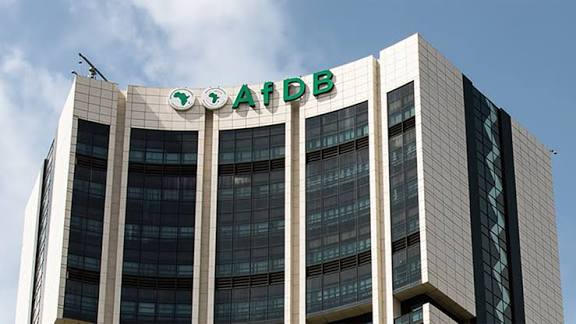

The African Development Bank (AfDB) has raised concerns over the limited flow of credit to Nigeria’s private sector, warning that inadequate financing remains a significant obstacle to economic expansion, job creation, and industrial development in Africa’s largest economy.
According to the bank, while Nigeria has undertaken a series of macroeconomic reforms aimed at stabilizing public finances and attracting investment, businesses continue to face challenges accessing affordable financing. The situation is particularly acute for small and medium-sized enterprises (SMEs), which account for a substantial share of employment and economic activity but often struggle to secure loans from commercial banks.
The AfDB noted that private sector credit remains low relative to the size of Nigeria’s economy, limiting the ability of companies to expand operations, invest in new technologies, and increase productivity. Economists generally view strong credit growth as a critical driver of economic development because it enables businesses to finance expansion and create employment opportunities.
Industry analysts say high borrowing costs, elevated inflation, and perceived credit risks have made lenders increasingly cautious. Nigeria’s tight monetary policy environment, designed to curb inflation and stabilize the naira, has also contributed to higher interest rates, making loans less accessible for many businesses.
The warning comes at a time when policymakers are seeking to accelerate non-oil growth and diversify the economy. While sectors such as agriculture, manufacturing, technology, and services offer significant potential, experts argue that achieving sustainable growth will require deeper financial sector reforms that channel more capital into productive private-sector activities.
Market participants say improving credit penetration could unlock investment opportunities across key industries and support broader economic resilience. Enhanced access to financing would also help businesses navigate rising operating costs, expand production capacity, and compete more effectively in regional and global markets.
The AfDB emphasized the importance of strengthening financial institutions, improving credit infrastructure, and expanding innovative financing mechanisms to support entrepreneurs and growing enterprises. Measures such as improved credit reporting systems, expanded digital lending platforms, and targeted support for SMEs could help bridge existing financing gaps.
Looking ahead, analysts believe the effectiveness of Nigeria’s economic reform agenda will depend not only on fiscal and monetary stability but also on the ability of the financial system to support private-sector-led growth. Without stronger credit flows to businesses, the country’s ambitions to boost investment, create jobs, and achieve higher long-term growth rates may face significant constraints.
As Nigeria seeks to position itself as a leading investment destination in Africa, expanding access to private sector financing is increasingly viewed as a critical pillar of sustainable economic development.