
Lagos, Nigeria – Nigeria’s agricultural sector is witnessing renewed growth as farmers across the country increasingly adopt modern farming techniques to boost productivity and improve food security. Industry experts say the trend is helping to transform agriculture into a more profitable business while creating jobs and supporting economic development.
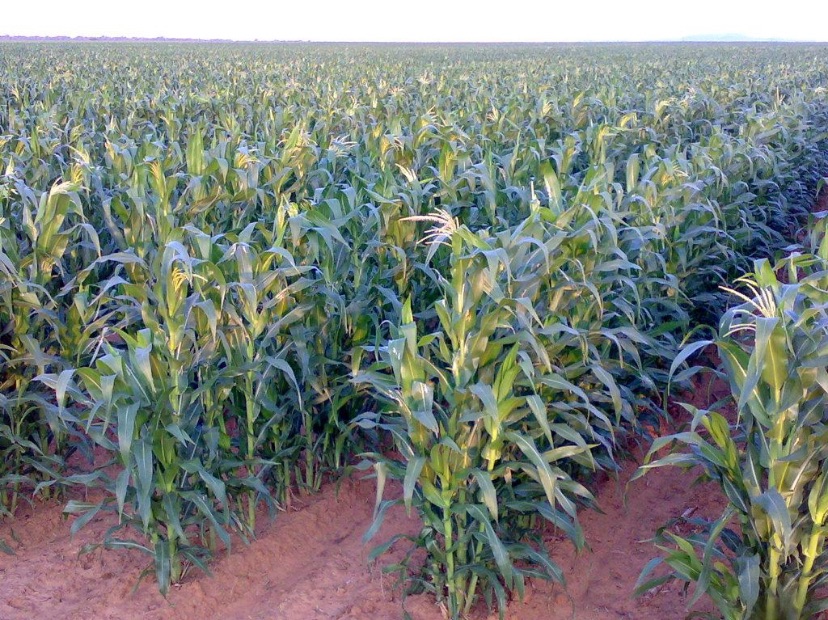
Recent investments in mechanized farming, improved seed varieties, irrigation systems, and digital agricultural services have enabled many farmers to increase crop yields despite challenges such as climate change and rising production costs. States with strong agricultural activities, including Kaduna, Kano, Benue, and Oyo, have reported higher harvest volumes in key crops such as maize, rice, cassava, and soybeans.
Agribusiness stakeholders note that technology is playing a significant role in the sector’s growth. Mobile applications now provide farmers with access to weather forecasts, market prices, and farming advice, helping them make informed decisions. In addition, financial technology firms are partnering with agricultural cooperatives to offer loans and insurance products tailored to farmers’ needs.
According to industry analysts, the increased focus on commercial farming is attracting young entrepreneurs who previously viewed agriculture as an unattractive career option. Many young Nigerians are now investing in greenhouse farming, poultry production, fish farming, and crop cultivation, creating new opportunities within the agricultural value chain.
“The future of agriculture in Nigeria lies in innovation and value addition,” said agricultural consultant Adebayo Oladipo. “Farmers who embrace technology and modern business practices are seeing better returns on their investments.”
Government initiatives aimed at supporting local food production have also contributed to the sector’s expansion. Programs designed to improve access to financing, farm inputs, and extension services have encouraged more participation in agriculture. Experts believe that continued investment in rural infrastructure, including roads and storage facilities, will further strengthen the industry.
Despite the positive outlook, challenges remain. Farmers continue to face issues such as insecurity in some farming communities, fluctuating input prices, and limited access to affordable credit. Agricultural associations have called for stronger policy support to address these concerns and ensure sustainable growth.
Food processing companies are also benefiting from increased agricultural output. Higher production levels are helping manufacturers secure raw materials locally, reducing dependence on imports and supporting Nigeria’s broader economic diversification goals.
Market observers predict that agriculture will remain one of Nigeria’s most important economic sectors over the coming years. With rising demand for food from a growing population and increasing opportunities for export, agribusiness is expected to attract further domestic and foreign investment.
As Nigeria seeks to strengthen food security and reduce reliance on oil revenues, the agricultural sector is emerging as a key driver of economic growth. Stakeholders believe that continued collaboration between farmers, investors, financial institutions, and government agencies will be essential in unlocking the full potential of the country’s farming industry.
This version is formatted in a professional business-news style suitable for a newspaper, magazine, blog, or news website.