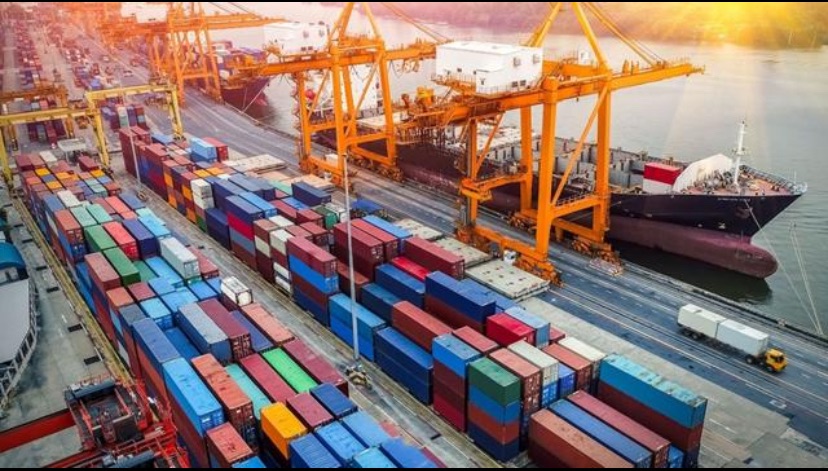

Supply chains have become one of the most important parts of modern business. They are the systems that move products from factories to stores and finally into the hands of customers. Whether it is food, clothing, electronics, or medicine, almost everything people use every day depends on a strong and reliable supply chain.
In recent years, businesses around the world have learned how easily supply chains can be disrupted. Events such as the COVID-19 pandemic, natural disasters, political conflicts, and rising transportation costs have caused delays and shortages. These challenges have shown companies that keeping products moving is just as important as making them.
Many businesses are now changing the way they manage their supply chains. Instead of relying on one supplier or one country, companies are working with multiple suppliers in different regions. This reduces the risk of major disruptions if one location experiences problems. Businesses are also storing extra inventory to avoid running out of products during unexpected delays.
Technology is playing a major role in improving supply chains. Companies are using artificial intelligence, data analysis, and automation to predict demand, monitor shipments, and improve delivery times. Real-time tracking allows businesses to know exactly where their products are, making it easier to respond quickly if delays occur. These digital tools also help companies reduce waste and improve efficiency.
Consumers are also influencing supply chain decisions. Customers now expect faster deliveries and better service than ever before. Online shopping has increased the demand for quick and reliable shipping. To meet these expectations, businesses are investing in smarter warehouses, faster delivery networks, and improved inventory management systems.
Sustainability has also become an important part of supply chain planning. Many companies are looking for ways to reduce carbon emissions, use environmentally friendly packaging, and source materials responsibly. Businesses understand that customers are paying more attention to how products are made and transported. A sustainable supply chain not only helps the environment but also strengthens a company’s reputation.
Small businesses are also focusing more on supply chain management. While they may not have the same resources as large corporations, many are building stronger relationships with local suppliers and using digital platforms to manage inventory more effectively. These steps help smaller companies compete in a rapidly changing marketplace.
Governments are supporting efforts to strengthen supply chains as well. Many countries are encouraging local manufacturing and investing in transportation infrastructure to reduce dependence on overseas production. Better roads, ports, and digital systems can improve the movement of goods and make economies more resilient during global disruptions.
Industry experts believe supply chain resilience will remain a top priority for businesses in the years ahead. Companies that invest in flexible operations, advanced technology, and reliable supplier networks are expected to perform better during periods of uncertainty. Businesses are increasingly viewing supply chain management as a long-term strategy rather than simply a cost of doing business.
As global markets continue to evolve, supply chains will remain at the center of business success. Companies that can deliver products efficiently, respond quickly to changing conditions, and meet customer expectations will be better positioned for future growth. In today’s connected economy, a strong supply chain is no longer just a support system—it is a key competitive advantage that can determine the success or failure of a business.