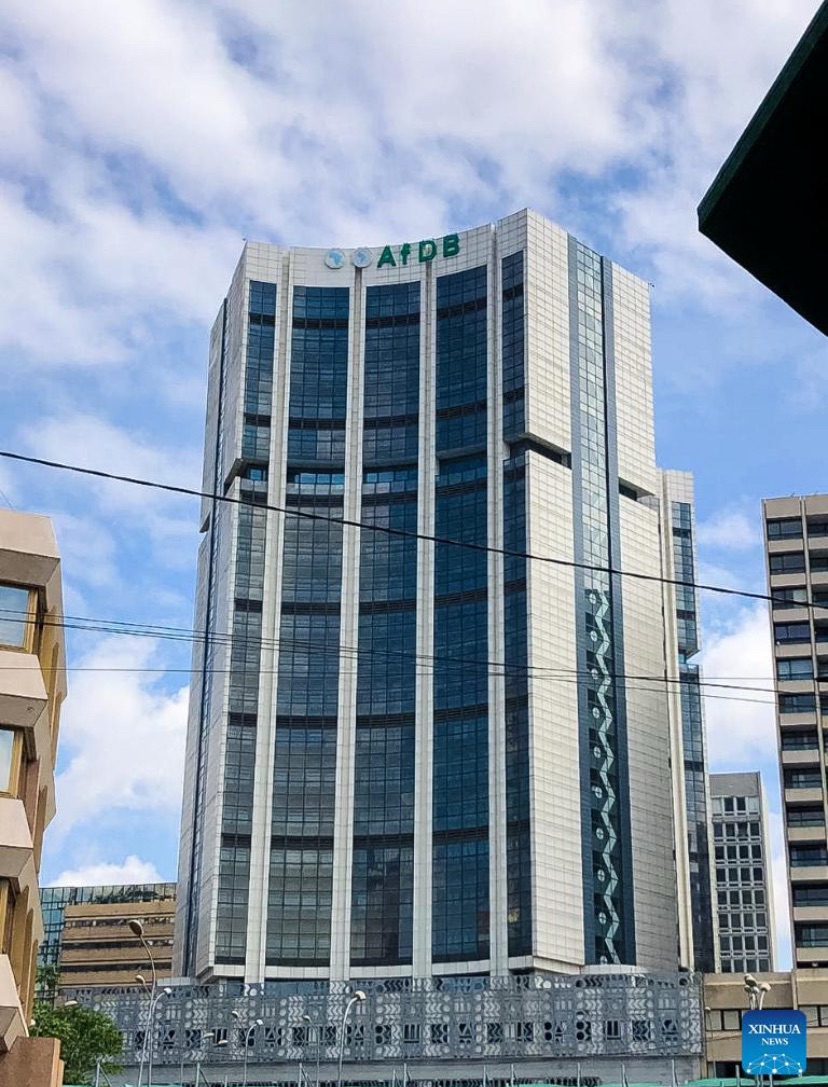

The ECOWAS Bank for Investment and Development (EBID) has achieved a major milestone after the African Development Bank Group (AfDB) approved a $30 million equity investment in the regional financial institution.
The investment makes AfDB the first international development finance institution to become a shareholder in EBID, marking a significant change in the bank’s ownership structure and opening a new chapter in its growth strategy.
EBID announced that the approval was granted by AfDB’s Board of Directors during a meeting held in Abidjan on June 17, 2026. In addition to the equity investment, AfDB also approved a long-term credit facility worth $70 million to support development projects across West Africa.
According to EBID, the partnership is expected to strengthen its financial capacity and improve its ability to fund major projects that can drive economic growth across the region.
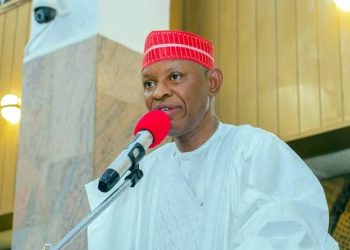
Speaking on the development, EBID President and Chairman of the Board of Directors, Dr. George Agyekum Donkor, described the investment as a historic breakthrough for the institution.
He said the decision reflects AfDB’s confidence in EBID’s mission and development model. According to him, the partnership will play a key role in helping the bank achieve its long-term strategic goals while expanding its impact across West African countries.
Donkor explained that the new investment would improve EBID’s ability to mobilise larger financial resources and support critical sectors such as infrastructure, energy, and private sector development.
He added that the partnership would also help address the growing financing needs of West African economies, many of which require substantial investments to improve economic productivity and living standards.
EBID, which serves as the development finance institution for the 15 ECOWAS member states, finances projects in areas such as infrastructure, agriculture, rural development, environmental sustainability, industry, and social services.
Until now, the bank’s shareholders consisted entirely of member countries. By welcoming strategic international investors such as AfDB, EBID hopes to strengthen its financial position, improve governance standards, and increase its development impact.
The bank revealed that the $70 million credit facility will be directed toward projects with strong social and economic benefits, especially renewable energy initiatives. EBID estimates that the funding could help attract up to $230 million in total project investments.
The projects are expected to improve electricity access for more than 250,000 households across West Africa, create employment opportunities, and reduce carbon emissions by approximately 355,500 tonnes each year.
EBID also believes the partnership will enhance its reputation among global investors and improve access to affordable funding sources. The institution expects the agreement to strengthen its credit profile, support financing for transformational projects, and improve operational effectiveness.
The investment aligns with EBID’s Growth, Resilience and Opportunity (GRO) Strategy for 2026–2030, which aims to position the bank as a leading development finance institution in Africa.
According to Donkor, the partnership represents a new stage in EBID’s evolution and reinforces its ambition to become a stronger catalyst for sustainable development across West Africa.
With fresh capital, increased investor confidence, and additional funding resources, EBID says it is better positioned to finance projects that will drive economic transformation, improve energy access, and support long-term growth throughout the region.