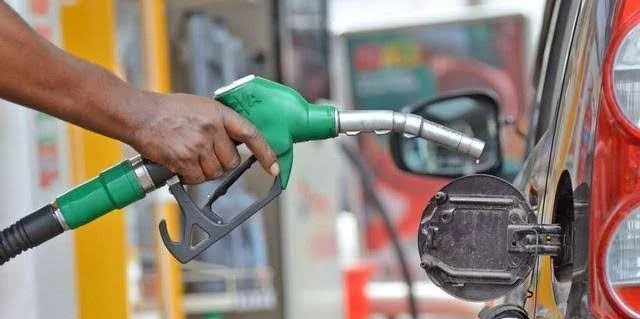

Nigerian motorists continue to pay more than ₦1,000 per litre for petrol despite Dangote Petroleum Refinery’s latest reduction in its ex-depot price, highlighting the continued influence of exchange-rate pressures and other supply-chain costs on retail fuel prices.
Dangote Refinery announced a ₦50 per litre cut in its ex-depot price of Premium Motor Spirit (PMS) to ₦1,165 per litre, effective August 6. The refinery also reduced the ex-depot price of diesel by ₦80 per litre to ₦1,570 per litre.
The price adjustment comes amid softer global oil prices. Brent crude fell below $80 per barrel earlier this week, its lowest level in about three weeks, before recovering amid renewed geopolitical tensions in the Middle East that supported oil markets.
Despite the refinery’s price cut, retail pump prices remain significantly higher across the country. Prices vary by location and marketer, with many filling stations selling petrol for well above ₦1,000 per litre. NNPC Retail outlets in Lagos and Abuja, for example, continue to display pump prices above the refinery’s ex-depot rate after distribution, transportation, storage and marketing costs are added.
Industry analysts say the naira’s exchange rate remains one of the biggest factors influencing petrol prices.
In July, Dangote Refinery temporarily priced petrol sales in U.S. dollars, citing challenges in sourcing crude under the naira-for-crude arrangement. The refinery later resumed naira-denominated sales after discussions with relevant authorities, but fuel prices have continued to reflect the cost of crude purchased in foreign currency as well as logistics and financing expenses.
The naira has traded around the ₦1,360/$ range at the Nigerian Foreign Exchange Market (NFEM) in recent days, increasing the local currency cost of imported crude and other petroleum-related inputs.The federal government’s deregulation of the downstream petroleum sector means petrol prices are largely determined by market forces rather than government subsidies.
The crude-for-naira initiative, introduced in late 2024 to improve domestic crude supply to local refiners and reduce foreign exchange demand, has experienced implementation challenges. Dangote Refinery has previously said it still relies partly on imported crude to supplement domestic supplies.
Analysts say sustained relief at the pump will depend on a combination of a more stable naira, adequate domestic crude supply to local refineries, lower international oil prices and continued competition among fuel suppliers. Until those factors improve, reductions in ex-depot prices may not immediately translate into substantial cuts in retail pump prices nationwide.