
The Lagos State Government has formally approved a 13 percent increase in bus fares for its regulated transit services. The adjustment affects the Bus Rapid Transit (BRT) system and other routes under the Bus Reform Initiative (BRI), and takes effect Monday, March 2, 2026.
Officials from the Lagos Metropolitan Area Transport Authority (LAMATA) said the decision follows appeals by regulated transport operators who argue that persistent economic pressures have made the existing fare structure unsustainable. These operators highlighted mounting costs associated with running services in the current environment.
“The Lagos State Government has approved a 13% increase in fares across all Bus Reform Initiative (BRI) schemes, including Bus Rapid Transit (BRT) and standard routes.”
LAMATA’s statement, issued through its communication channels, stressed that the fare revision is part of the state’s annual fare review mechanism, intended to help public transport providers adjust to sharply higher operating costs. These include rising expenses for vehicle maintenance, spare parts, staff wages, and other inputs.
“Governor Babajide Sanwo-Olu gave the approval following a passionate appeal from regulated public transport operators, who raised concerns over the sustainability of transit operations amid mounting economic pressures.”
The government also framed the fare hike as a necessary response to broader economic conditions. Persistent inflationary pressures, with Nigeria’s headline inflation remaining elevated, have eroded operator margins and increased the cost of service delivery. In this context, officials say the adjustment is designed to help cushion the impact of these pressures on public transport services.
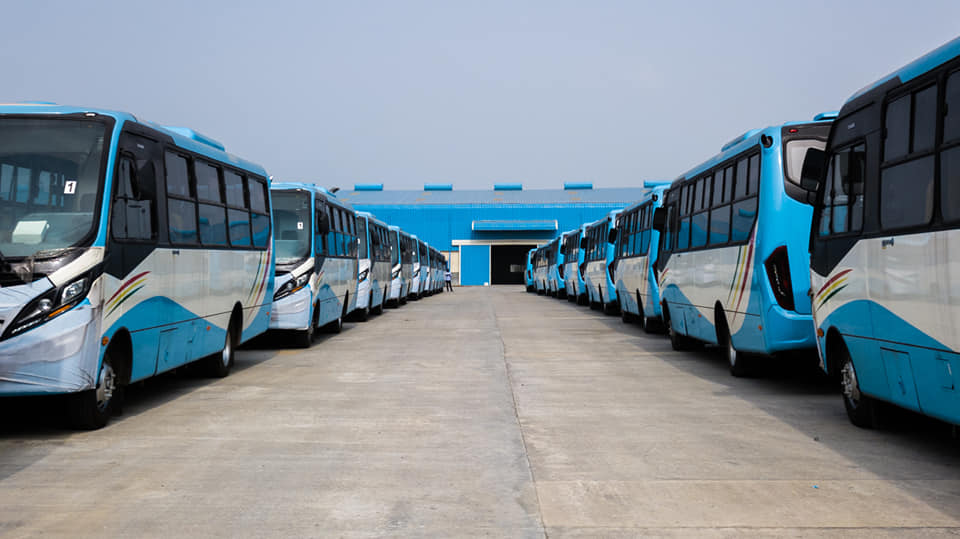
In addition to day-to-day operational costs, some operators are investing in fleet upgrades. These investments include newer, cleaner, and more fuel-efficient buses, which the authorities argue will improve passenger comfort, enhance service standards, and support longer-term environmental sustainability goals.
While the fare increase is intended to support public transport viability, it arrives against a backdrop of broader cost-of-living pressures for commuters. Many Lagos residents rely on BRT and BRI services for daily travel to work, school, and business. As such, the increase will directly affect household transport budgets, particularly for low- and middle-income riders who depend on regulated transit as their most affordable option.
The state government has sought to reassure commuters that it remains committed to balancing affordability with the need to deliver safe, reliable, and efficient transport services. Officials say the fare review was necessary to sustain operations without compromising service quality.
In summary, Lagos is adjusting regulated bus fares by 13 percent effective March 2, following economic pressures and appeals from transit operators. The move seeks to maintain transport service sustainability, encourage fleet modernization, and align with the state’s established fare review framework, even as commuters face higher travel costs.