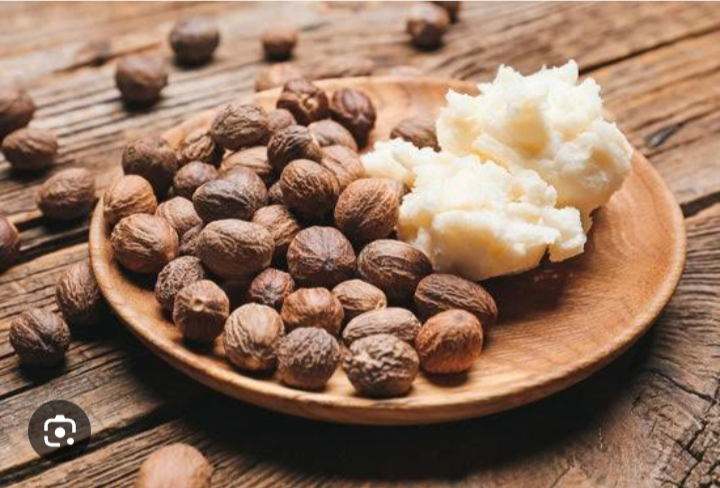

Nigeria’s shea sector is showing signs of strong recovery, with local processing initiatives driving up revenues and stabilizing prices after an initial slump triggered by the federal government’s ban on raw nut exports.
Recent market data indicates that shea nut prices, which plummeted following the policy announcement, have climbed back toward pre-ban levels. Prior to the ban, prices hovered around N850 per kilogram. In the immediate aftermath, they dropped sharply to about N570 per kilogram as traders and middlemen scrambled to adapt. By mid-September, however, prices had recovered to between N710 and N800 per kilogram, and as of early October, the average stands at approximately N1,000 per kilogram. This rebound reflects increasing confidence among stakeholders and a healthier balance between supply and demand, as domestic buyers absorb more of the harvest.
The ban forms a key part of President Bola Ahmed Tinubu’s Nigeria First Economic Policy under the Renewed Hope Agenda, emphasizing value addition to unlock economic potential. Nigeria supplies over a third of the global shea output but has long captured less than 1% of the $6.5 billion international market due to exporting raw nuts with little local refinement. The policy now ensures raw materials reach more than 20 domestic processing plants, many of which previously ran at under 30% capacity. This shift is not only revitalizing factories but also preserving jobs and enhancing the nation’s economic resilience against volatile global trade.
“This policy gives us the stability we’ve long needed to plan, invest, and expand,” said Sadiq Kassim, PRO of the Nigeria Agribusiness Group (NABG). “Before now, the unregulated export of raw nuts drove unpredictable price swings and squeezed processors out of the market. With the ban in place, raw materials are staying in-country, market prices are becoming more stable, and we can run our factories closer to full capacity. This means better income for rural women, steady demand for farmers, and a stronger foundation for Nigeria’s shea value chain.”
The move dovetails with broader legislative efforts, including the 30% Value Addition Bill championed by the Raw Materials Research & Development Council (RMRDC) and approved by the Senate in July 2025. Awaiting House of Representatives concurrence and presidential assent, the bill requires at least 30% domestic processing for any Nigerian-origin raw material before export.
The Director-General of RMRDC, Prof. Nnanyelugo Martin Ike-Muonso, underscored the bill’s importance, stating, “Without an incentive structure to build capacity across our value chains, inefficiencies persist, prices rise, and opportunities are lost. This is why we are championing the 30% value addition bill before export to protect local industries, create jobs, and put Nigeria first.”
For rural communities, particularly women who dominate shea collection, the changes promise tangible gains. With steadier prices and expanded local demand, farmers are reporting improved livelihoods, while processors gear up for scaled production of butters, oils, and cosmetics. Industry experts predict this could elevate Nigeria’s slice of the global market within years, turning a raw commodity exporter into a value-driven powerhouse.
As the sector matures, challenges like infrastructure gaps and skill training remain, but the ban’s early successes signal a promising pivot. By keeping resources at home, Nigeria is sowing seeds for sustainable growth in one of its most underutilized agricultural assets.