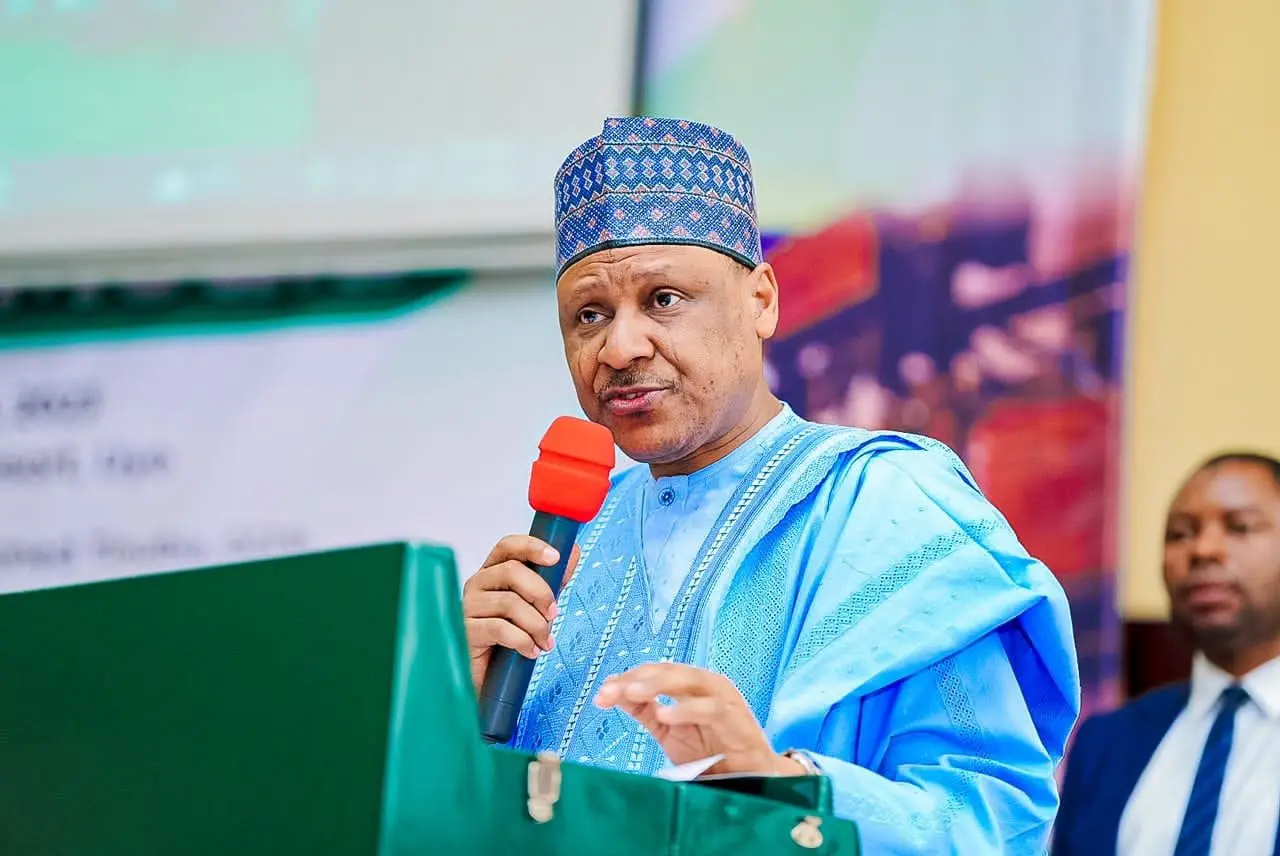

The Federal Government’s aggressive economic reform agenda has reportedly averted a widespread fiscal crisis among Nigeria’s sub-national governments, saving at least 27 states from total economic collapse. According to the Minister of Information and National Orientation, Mohammed Idris, the policy shifts initiated since May 2023 have fundamentally altered the financial trajectory of the federation. By addressing systemic inefficiencies and reconfiguring revenue distribution, the administration has moved the country away from a precarious state where the majority of governors were unable to meet basic civil service obligations, including the payment of worker salaries.
Prior to the current reform cycle, the Nigerian economy faced a severe liquidity crunch that hit state governments the hardest. The Minister noted that as of late May 2023, approximately 27 states were on the brink of insolvency, struggling with mounting arrears and an inability to fund critical social services. The central economic significance of this intervention lies in the stabilization of the sub-national fiscal space, which is essential for maintaining domestic consumption and preventing a total breakdown of the local government machinery. This stabilization has provided a necessary cushion against the inflationary pressures and currency volatility that have characterized the broader macroeconomic environment over the last year.
A primary driver of this recovery has been the surge in allocations from the Federation Account Allocation Committee (FAAC). Minister Idris highlighted that under the current leadership strategy, states are now receiving roughly three times the amount of revenue they previously commanded. This influx of capital is a direct consequence of structural changes, including the removal of the petrol subsidy and the unification of the exchange rate, which have significantly increased the pool of distributable funds. For the Nigerian economy, this shift represents a move toward greater fiscal decentralization, empowering states to take a more active role in regional development and infrastructure provision.
The implications for Nigeria’s key sectors are substantial. With increased revenue, states are now better positioned to invest in infrastructure, agriculture, and power—sectors that serve as the bedrock for job creation and long-term GDP growth. The ability of states to execute “massive infrastructure projects” is expected to reduce logistics bottlenecks and stimulate local markets. However, the surge in nominal revenue also places a greater burden of accountability on state executives. To ensure these funds lead to genuine economic stability, there must be a corresponding increase in the efficiency of public spending and a focus on projects that generate sustainable internally generated revenue (IGR).
Furthermore, the reforms seek to break the cycle of “trap-based” governance, where the lack of structural adjustment leads to recurring fiscal deficits. The Minister argued that nation-building is inextricably linked to continuous reform, suggesting that the current pain associated with high inflation and cost-of-living adjustments is a necessary trade-off for preventing a systemic collapse of the federating units. From an analytical perspective, the survival of these 27 states is a critical victory for national security and economic continuity, as mass insolvency at the state level would have likely triggered a broader banking crisis and severe social unrest.
As Nigeria navigates this era of national reforms, the focus must remain on the analytical depth of these changes. While the tripling of state revenues provides immediate relief, the forward-looking challenge remains the transition from consumption-based spending to investment-led growth. The current fiscal surplus at the state level offers a unique window of opportunity to diversify regional economies away from a reliance on federal handouts. If properly harnessed, the resources saved through these reforms could provide the venture capital needed to transform Nigeria’s rural landscape into vibrant economic hubs.
The long-term outlook for the Nigerian economy depends on the sustained commitment to these difficult fiscal choices. By shielding states from collapse, the federal government has bought the time necessary for broader structural reforms to take root. The success of this strategy will ultimately be measured by whether the increased FAAC allocations translate into improved human capital indices and a more resilient, self-sustaining economic framework across all 36 states of the federation.