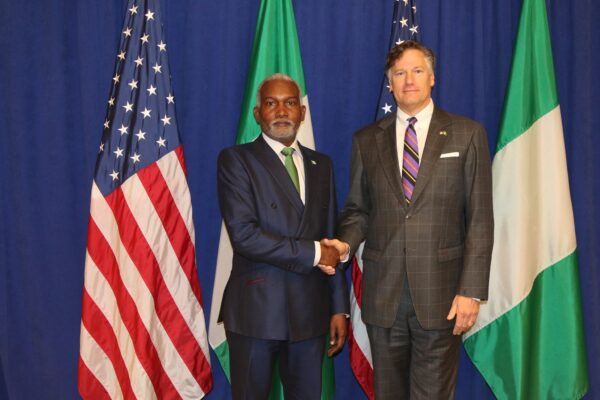

The Federal Government has initiated urgent diplomatic engagement with the United States following Washington’s imposition of immigrant visa restrictions affecting Nigerian nationals. The ban, part of a broader pause affecting 75 countries, took effect on January 21, 2026, and has immediately raised concerns for families, professionals, and businesses with ties across the Atlantic. While acknowledging visa issuance as the sovereign right of any nation, Nigerian officials are pursuing a dialogue aimed at securing the country’s removal from the list, framing the situation as a test of bilateral relations with significant implications for labor mobility, educational exchange, and economic planning.
Mr. Kimiebi Ebienfa, Director of Media, Public Relations and Protocols at the Ministry of Foreign Affairs, outlined the government’s calibrated response. “For visa issuance, it is strictly the prerogative of the issuing country, and we cannot do much because you cannot force a country to grant access to your nationals,” Ebienfa stated, adopting a pragmatic tone. He emphasized, however, that Nigeria is “engaging them via diplomatic channels, and we are convinced that there will be a win-win situation.” This approach underscores a strategy of quiet diplomacy focused on addressing the specific concerns that prompted the US action, rather than public confrontation.
The economic ramifications of a sustained visa pause are multifaceted and potentially severe. The United States represents a primary destination for Nigerian professionals, students, and entrepreneurs. A block on immigrant visas threatens to sever a critical pipeline for talent development and knowledge transfer, while also disrupting family-sponsored immigration that has long fostered deep socio-economic links between the two countries. For a nation grappling with a “brain drain” of skilled workers, the ban could paradoxically worsen domestic capacity by closing off a regulated emigration pathway, potentially redirecting frustration inward.
From a business and investment perspective, the restrictions introduce new friction into one of Nigeria’s most important bilateral relationships. Perceptions of travel barriers can dampen investor sentiment, complicate negotiations for US-based firms considering Nigerian ventures, and hinder the mobility of executives and specialists. The technology and financial services sectors, which rely heavily on international exchange and have flourished partly due to diaspora connections, are particularly vulnerable to such disruptions. The government’s diplomatic push is therefore not merely a consular matter but a direct effort to safeguard an economic relationship that facilitates billions in trade, investment, and remittances.
The broader context of the US policy, affecting dozens of nations, offers Nigeria some diplomatic cover, allowing it to engage as one of many concerned partners rather than a singular target. This may provide leverage for collaborative advocacy. Success for Abuja will hinge on its ability to persuasively address the core criteria behind the US decision, which likely relate to documentation integrity, information sharing, and compliance with international security protocols. Demonstrating tangible progress in these areas is essential for a compelling case for delisting.
Ultimately, this episode highlights the intricate link between diplomatic standing and economic vitality in a globalized world. The Nigerian government’s restrained yet active engagement reflects an understanding that the nation’s economic prospects are increasingly shaped by its ability to maintain open channels for its citizens within the global community. The outcome of these talks will signal not only the health of US-Nigeria relations but also Nigeria’s capacity to protect the international mobility of its people—a key asset in the modern economy. A resolution that removes the ban would reaffirm a vital partnership; a prolonged restriction would represent a significant and costly bilateral setback.