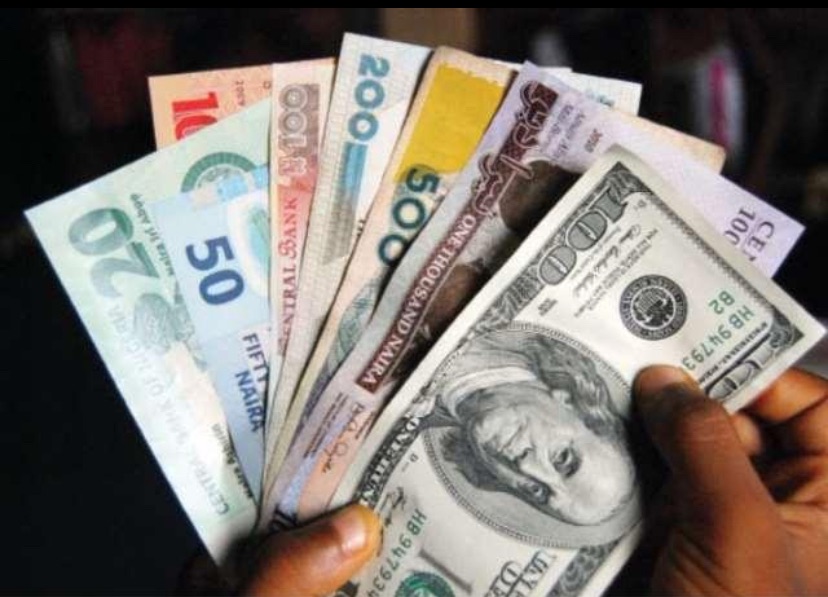

The value of a country’s currency is never fixed for long. Every day, currencies such as the US dollar, euro, British pound, Japanese yen and the Nigerian naira rise or fall against one another. These movements can happen within minutes or gradually over months, affecting businesses, investors and everyday consumers.
Understanding why currencies fluctuate is important because exchange rates influence the prices of imported goods, international travel, business transactions and even household expenses.
One of the biggest factors that affects a currency is supply and demand. Like any product in a market, when more people want to buy a country’s currency, its value usually increases. On the other hand, when demand falls and more people are selling that currency, its value tends to decline.
Interest rates also play a major role. When a country’s central bank raises interest rates, it often attracts foreign investors looking for better returns on their investments. As more investors buy the local currency to invest in that country, demand increases, causing the currency to strengthen. Lower interest rates can have the opposite effect, making the currency less attractive.
Another important factor is inflation. Countries with low and stable inflation generally have stronger currencies because their purchasing power remains relatively steady. High inflation reduces the value of money over time, making the currency weaker compared with those of countries that maintain stable prices.
Economic performance also influences exchange rates. Investors usually have greater confidence in countries with growing economies, strong employment levels and expanding industries. Positive economic growth often attracts foreign investment, increasing demand for the country’s currency. Weak economic performance, however, may discourage investors and reduce demand.
International trade is another major driver. Countries that export more goods and services than they import often experience stronger demand for their currency because foreign buyers need that currency to pay for exports. Meanwhile, countries that rely heavily on imports may see increased demand for foreign currencies, putting pressure on their own currency.
Political stability also matters. Investors generally prefer countries with stable governments, clear economic policies and predictable business environments. Political uncertainty, conflicts or sudden policy changes can reduce investor confidence and weaken a nation’s currency.
Global events can also cause currencies to move quickly. Financial crises, pandemics, natural disasters and geopolitical tensions often lead investors to move their money into currencies considered safer, such as the US dollar or Swiss franc. This shift in demand can strengthen some currencies while weakening others.
For businesses, changing exchange rates can affect profits, production costs and pricing. Importers may pay more when their local currency weakens, while exporters may benefit because their products become more affordable to overseas buyers.
Consumers also feel the impact. A weaker currency can make imported food, fuel, electronics and clothing more expensive, increasing the overall cost of living. Conversely, a stronger currency can reduce the cost of imported goods and international travel.
Although currency movements can sometimes appear unpredictable, they are usually driven by economic conditions, government policies and investor confidence. By understanding these key factors, businesses and consumers can make better financial decisions and prepare for changes in the global economy.