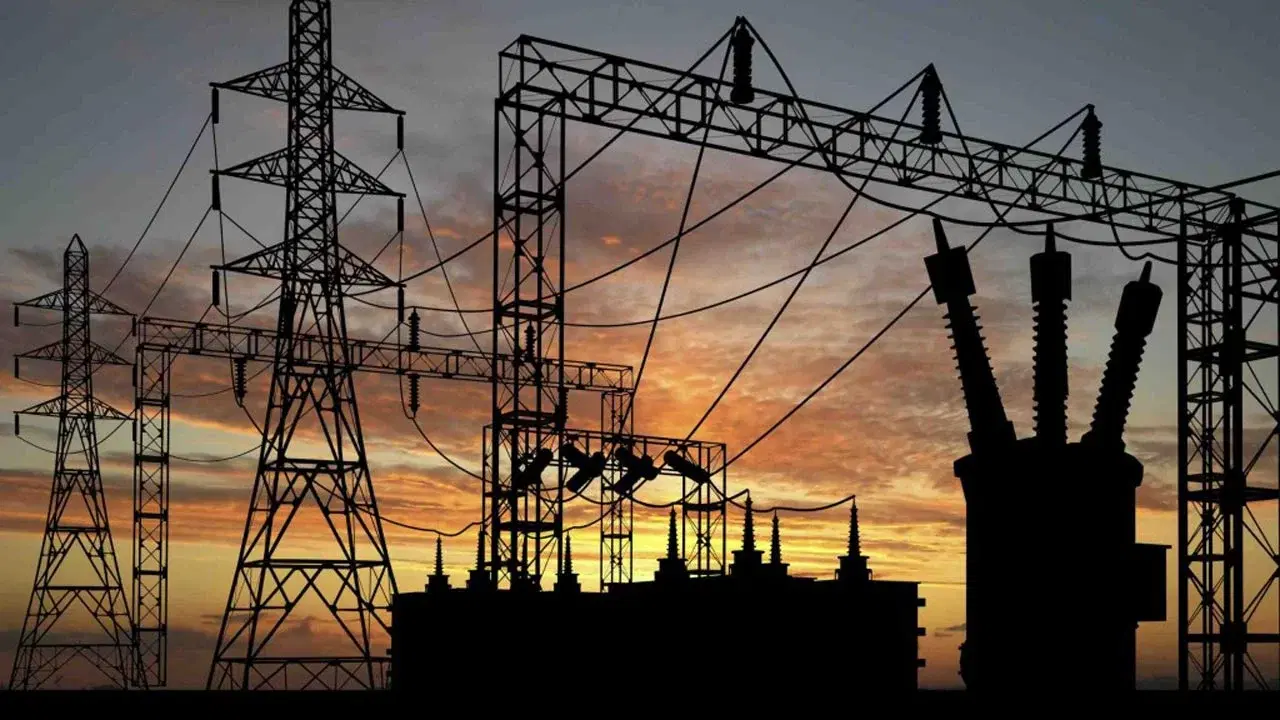

The Federal Government has intensified efforts to address Nigeria’s long-standing power supply challenges by advancing plans to provide dedicated electricity solutions for industrial and economic zones across the country.
The initiative is aimed at reducing the high cost of energy for manufacturers, improving productivity, and supporting Nigeria’s broader industrialisation agenda. Government officials say unreliable electricity remains one of the biggest constraints to business growth, forcing many firms to rely heavily on diesel-powered generators.
Under the proposed framework, industrial clusters and economic zones will receive more stable and predictable power supply through a mix of grid-based electricity, embedded generation, and independent power projects. The approach is designed to bypass some of the structural bottlenecks of the national grid, which continues to struggle with transmission limitations and frequent outages.
Manufacturers have repeatedly warned that energy costs account for a significant portion of production expenses, eroding competitiveness and discouraging investment. Industry groups estimate that many Nigerian factories spend between 30 and 40 per cent of operating costs on self-generated power.
By targeting industrial zones, the government hopes to achieve faster results compared to broad nationwide power reforms, which require substantial capital investment and long timelines. Officials believe concentrated power solutions can unlock immediate gains in output, employment, and export capacity.
The plan aligns with Nigeria’s push to strengthen local manufacturing, reduce import dependence, and expand non-oil exports. Reliable power is seen as critical to attracting both domestic and foreign investors into sectors such as agro-processing, textiles, pharmaceuticals, and light manufacturing.
Energy sector analysts note that while the strategy is promising, its success will depend on effective coordination between power producers, distribution companies, state governments, and private investors. They also stress the need for clear pricing frameworks to ensure that dedicated power remains affordable and commercially viable.
The initiative comes at a time when the government is seeking to improve Nigeria’s ease of doing business and stimulate job creation amid economic pressures. Small and medium-sized enterprises, which are particularly vulnerable to energy costs, are expected to benefit if the programme is implemented effectively.
While details on rollout timelines and funding models are still emerging, stakeholders say the focus on industrial power supply signals a more pragmatic approach to solving one of Nigeria’s most persistent economic challenges.