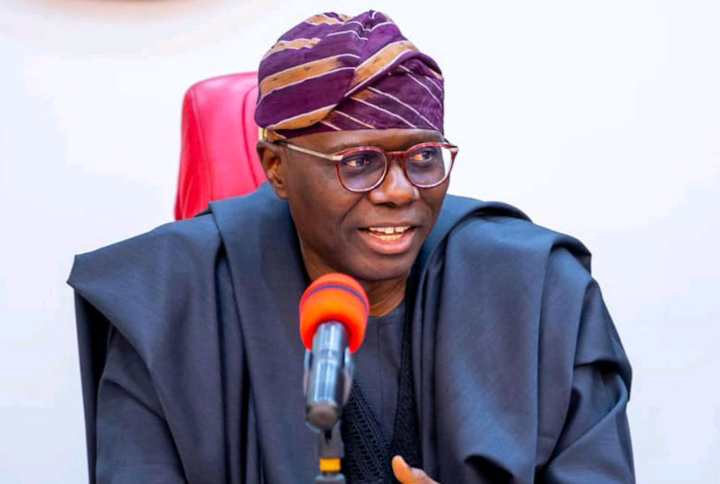

The Lagos State House of Assembly has officially approved a ₦4.44 trillion budget for the 2026 fiscal year, marking one of the largest appropriations in the state’s recent history. This plan, tagged the “Budget of Shared Prosperity,” was passed following extensive review and debate, and now awaits formal assent from Governor Babajide Sanwo-Olu.
The budget’s passage was the culmination of detailed deliberations led by the House Committee on Economic Planning and Budget. Committee chairman Hon. Sa’ad Olumoh highlighted that the framework guiding the budget was informed by prevailing macroeconomic indicators, including exchange rates, inflation projections, and national production assumptions.
According to lawmakers, “The committee also reviewed the state’s 2025 budget performance, which recorded a cumulative performance of 79% as of November 2025.” This strong performance in the previous year provided confidence that the 2026 allocation could be executed effectively and sustainably.
Of the total budget, ₦2.052 trillion has been earmarked for recurrent expenses such as personnel costs, overheads, and operational obligations, while ₦2.185 trillion is set aside for capital projects, a clear sign the government intends to invest heavily in infrastructure and long-term development.
Lawmakers emphasized that the capital expenditure component reflects a continued commitment to development in key sectors, such as transportation, education, and healthcare, which are critical to meeting the needs of Lagos’s rapidly growing population.
Despite its large size, the budget does not come without financial challenges. There is a projected deficit of roughly ₦243 billion, which the committee said would be financed through approved borrowing and other financing options.
In a nod to legislative input, an additional ₦171 billion was added to the governor’s original proposal, indicating Lawmakers sought to expand the scope of planned spending to better address emerging priorities.
Critically, lawmakers noted the importance of institutional reforms, especially around revenue collection and debt management, to ensure that Lagos maintains fiscal discipline and remains economically competitive.
Once transmitted to the Governor’s desk, the hope is that the budget will be signed into law swiftly, allowing all sectors of the economy to begin planning for implementation in the new fiscal year.
Lagos’s ₦4.44 trillion budget comes at a time when Nigeria’s overall economic outlook is showing modest improvement, with national GDP expected to grow around 4.3% in 2026. This state budget, focused on infrastructure and human developmentis aligned with broader economic recovery efforts and could help attract investment and boost local revenues.