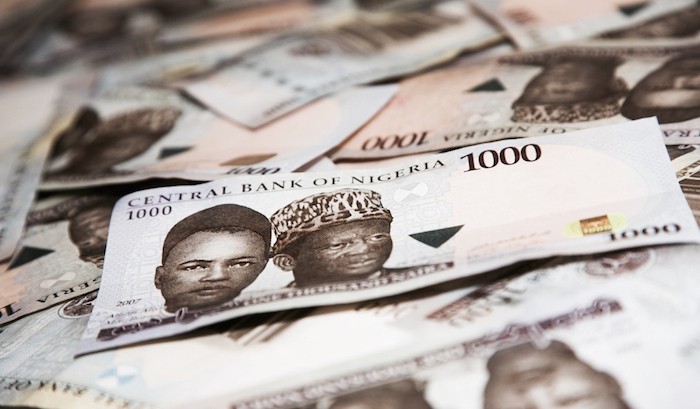

Nigeria’s financial landscape is currently defined by a striking paradox: while the Central Bank of Nigeria (CBN) has engaged in an aggressive campaign of monetary tightening, the country’s broad money supply (M3) has surged to a historic high of ₦122.9 trillion. According to recent data released by the apex bank, this figure, recorded in November 2025, represents a 12.8% year-on-year expansion from the ₦108.97 trillion seen the previous year. This relentless growth in liquidity presents a significant challenge for policymakers who are desperately attempting to anchor inflation and stabilize the Naira.
For much of 2024 and 2025, the CBN’s Monetary Policy Committee (MPC) has been decisively hawkish. Under the leadership of Governor Olayemi Cardoso, the Monetary Policy Rate (MPR) was hiked repeatedly, reaching a peak of 27.50%. Accompanying these rate hikes were stringent increases in the Cash Reserve Ratio (CRR), which hit 50% for deposit money banks. The objective was clear: mop up excess liquidity from the banking system to reduce the “too much money chasing too few goods” phenomenon that has kept headline inflation hovering at uncomfortable levels.
However, the ₦122.9 trillion milestone suggests that the “liquidity tap” remains difficult to shut. Economic analysts point to several factors driving this surge despite the high-interest-rate environment. One major contributor is the strength of the external sector. Steady accretions to Nigeria’s foreign reserves and a surplus current account balance have led to a significant injection of Naira into the system as the central bank manages these inflows. Furthermore, the persistent devaluation of the Naira has a mathematical effect on the money supply; as the currency weakens, the Naira value of foreign-currency-denominated assets held within the banking system swells, artificially bloating the M3 figures.
Domestic factors also play a critical role. While the CBN has moved to curb “Ways and Means” advances to the federal government, the fiscal side of the economy continues to exert pressure. High government spending and the necessity of servicing a growing debt profile mean that liquidity continues to find its way back into the hands of the public and the formal banking sector. This creates a “tug-of-war” between a central bank trying to contract the economy and a fiscal reality that demands expansion.
The implications of this historic high are profound for the average Nigerian. With money supply continuing to grow at double-digit rates, the CBN’s battle against inflation remains an uphill struggle. High liquidity often translates to persistent pressure on the foreign exchange market, as more Naira chases a limited supply of Dollars. For businesses, the situation is even more complex; they are currently squeezed by the “worst of both worlds”—the highest borrowing costs in decades due to the 27.50% MPR, yet they operate in an economy where the very inflation those rates are meant to curb remains stubborn because the total volume of money in the system has not yet contracted.
As Nigeria moves into 2026, the focus is shifting toward a more synchronized approach between monetary and fiscal authorities. The central bank has signaled that it may pause its tightening cycle if inflation shows sustained signs of decline, but the ₦122.9 trillion figure serves as a sobering reminder: in an economy as complex as Nigeria’s, pulling the lever of interest rates alone may not be enough to tame the tide of historic liquidity.