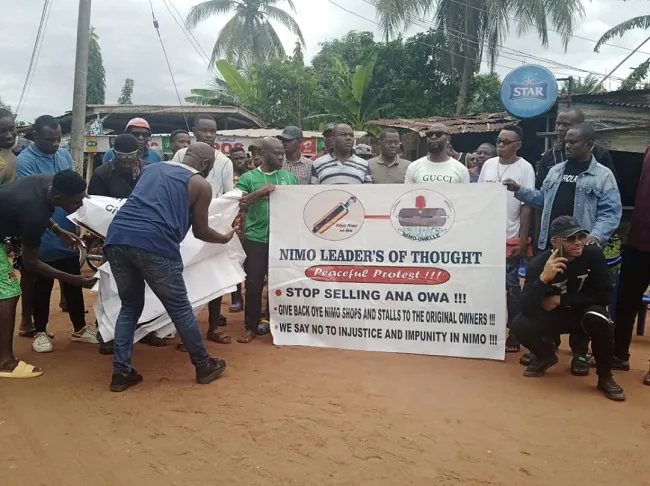

In a decisive move aimed at restoring order to urban planning and reclaiming state assets, the Anambra State Government has announced the formation of a high-powered committee dedicated to the recovery of government lands. The initiative, spearheaded by Governor Charles Chukwuma Soludo, targets parcels of land across the state that have been illegally occupied, annexed by land grabbers, or diverted from their original purpose.
This strategic development was formalized during the 25th Anambra State Executive Council (ANSEC) meeting, which took place recently at the Lighthouse in Awka, the state capital. The decision marks a significant escalation in the administration’s efforts to curb the impunity often associated with land acquisition in the state and to ensure that public resources are utilized for the collective benefit of the citizenry rather than private gain.
The Commissioner for Information, Dr. Law Mefor, provided detailed insights into the government’s resolution following the council meeting. He articulated that the administration is no longer willing to tolerate the rampant encroachment that has characterized land administration in recent years. According to Mefor, the new committee is charged with the responsibility of tirelessly identifying and repossessing all state-owned territories that are currently in the hands of unauthorized individuals or entities.
“The government will not tolerate any further encroachment on its lands and will take all necessary steps to protect its assets,” Mefor stated, underscoring the administration’s zero-tolerance stance. He emphasized that the era of brazenly seizing public property without consequence has come to an end.
The committee’s terms of reference are comprehensive and signal a methodical approach to the recovery process. Their primary mandate involves conducting a thorough audit of all government lands within Anambra State. This audit is intended to create a definitive database of state assets, distinguishing between legal allocations and illegal seizures. Following the identification process, the committee is tasked with verifying the status of suspect properties. This verification phase is crucial for establishing the legal basis for recovery and ensuring that the government’s actions remain within the ambit of the law.
Perhaps the most critical aspect of the committee’s mandate is enforcement. The state government has empowered the committee to collaborate closely with security agencies to effect the removal of illegal occupants and the demolition of unauthorized structures where necessary. This collaboration suggests that the state is prepared to overcome physical resistance to its directives, ensuring that enforcement is both effective and binding.
Beyond the immediate recovery of assets, the initiative is also tied to the state’s economic and developmental goals. The government aims to boost its revenue profile by reclaiming these assets, which can then be properly managed, leased, or utilized for public infrastructure projects. By recovering these lands, the administration intends to redirect resources toward projects that serve the broader population, aligning with Governor Soludo’s vision of building a “livable and prosperous homeland.”
The committee is also expected to recommend systemic measures to prevent future occurrences of land grabbing. This forward-looking responsibility implies a potential overhaul of land administration protocols to close the loopholes that allowed such encroachments to thrive in the past.
The Anambra State Government has issued a call to action to the public, urging citizens to support the recovery efforts. Residents are encouraged to act as whistleblowers by reporting any information regarding illegal activities related to government lands to the relevant authorities. This participatory approach highlights the government’s recognition that successful enforcement requires the cooperation of the community.
As the committee begins its work, the message from Awka is clear: the Anambra State Government is reclaiming its territory, and the mechanisms of the state are now fully mobilized to enforce property rights and the rule of law.