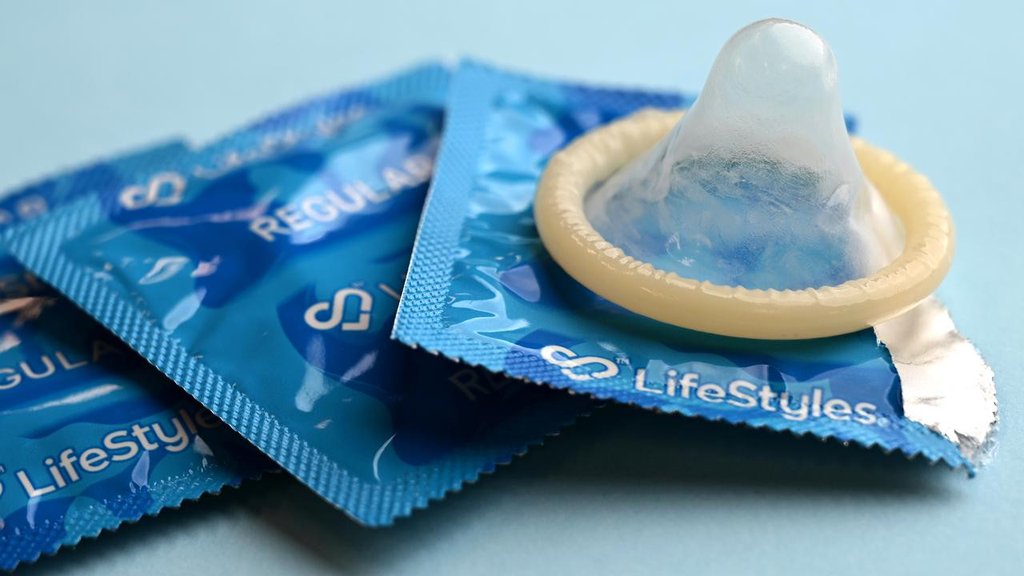

In a controversial move aimed at reversing its deepening demographic crisis, the Chinese government has announced the imposition of a 13 percent Value Added Tax (VAT) on condoms and other contraceptive products. This policy shift, effective from January 1, 2026, brings an end to a three-decade-long tax exemption that was originally established to support the country’s stringent population control measures. The decision signals a desperate pivot by Beijing as it grapples with a shrinking workforce and a rapidly ageing population, transitioning from limiting births to aggressively encouraging them.
The tax exemption for contraceptives had been a cornerstone of China’s family planning infrastructure since 1993. During the era of the “One Child Policy,” the state heavily subsidized birth control to curb population growth, which was then viewed as a threat to economic modernization. Condoms and other contraceptives were not only tax-free but often distributed at no cost by local family planning clinics. However, the demographic tide has turned dramatically. China’s population has declined for three consecutive years, with 2024 seeing fewer than 10 million births—a stark contrast to the boom years of the past. In response, authorities are dismantling the old apparatus of control and replacing it with pro-natalist incentives, or in this case, disincentives for contraception.
Public reaction to the new tax has been swift and overwhelmingly negative. On Chinese social media platforms like Weibo and Xiaohongshu (RedNote), the policy has triggered a wave of ridicule and anger. Hashtags related to the “condom tax” have trended, with users expressing disbelief that the government believes a slight price increase in contraceptives will persuade couples to take on the massive financial burden of raising a child. “If I can’t afford a condom, how can I afford a baby?” one user quipped, capturing the general sentiment that economic instability, not the availability of birth control, is the primary driver of the fertility slump.
Economists and sociologists have echoed these concerns, arguing that the policy is unlikely to yield the desired demographic results. The cost of raising a child in China is among the highest in the world relative to income, with soaring expenses for education, housing, and healthcare dampening the enthusiasm of young couples. Experts suggest that rather than encouraging childbirth, the tax may simply increase the financial strain on lower-income individuals and the youth, a demographic already struggling with high unemployment rates and stagnation. Reports have surfaced of citizens stockpiling condoms ahead of the price hike, a defiant gesture against what many perceive as an intrusion into their private lives.
Beyond the economic arguments, public health officials warn of potentially dangerous side effects. The removal of the tax exemption could reduce access to contraceptives for vulnerable populations, potentially leading to a spike in sexually transmitted infections (STIs), including HIV. There are also fears that unwanted pregnancies may rise, ironically leading to an increase in abortions rather than births—a counterproductive outcome for a government seeking to boost population numbers. During the pandemic years, STI rates had already shown signs of resurgence, and making protection more expensive could exacerbate this trend.
Ultimately, the imposition of a 13 percent tax on condoms serves as a potent symbol of China’s frantic search for solutions to its demographic emergency. It highlights the government’s willingness to pull every available lever—fiscal, social, and political—to avert the looming economic consequences of a shrinking population. However, without addressing the fundamental structural issues that make parenthood unattractive to millions of young Chinese citizens, such fiscal adjustments are likely to be viewed as punitive rather than persuasive, deepening the divide between state objectives and individual realities.