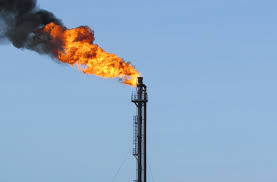

Nigeria has granted permits to 28 companies under a government initiative aimed at ending routine gas flaring, reducing carbon emissions, and converting previously wasted gas into electricity, the Nigerian Gas Flare Commercialisation Programme (NGFCP) announced on Friday.
The programme, supervised by the Nigerian Upstream Petroleum Regulatory Commission (NUPRC), is designed to capture between 250 and 300 million standard cubic feet per day of gas that would otherwise be flared. The initiative is expected to cut approximately six million tonnes of carbon dioxide emissions annually and create nearly three gigawatts of power generation capacity, providing a substantial boost to the country’s energy supply.
Officials said the programme has the potential to attract up to $2 billion in investment and generate over 100,000 jobs across the gas and power sectors. In addition to electricity generation, it could produce 170,000 metric tonnes of liquefied petroleum gas (LPG) per year, expanding access to clean cooking fuel for an estimated 1.4 million Nigerian households.
The NGFCP permits follow a competitive bid round that awarded 49 flare sites to 42 bidders after the programme was restructured under the Petroleum Industry Act. By opening the sector to private and independent operators, the government aims to increase efficiency in gas capture, accelerate commercial utilisation of flare gas, and encourage investment in energy infrastructure.
Gas flaring has long been a persistent environmental and economic challenge for Nigeria, which is Africa’s largest oil producer. Flaring not only contributes significantly to greenhouse gas emissions but also represents a waste of a valuable energy resource. By converting flared gas into electricity and LPG, the programme addresses both environmental sustainability and energy security, while also supporting industrialisation and economic growth.
Analysts have noted that the NGFCP could help reduce pressure on Nigeria’s power grid, which relies heavily on gas-fired generation. By unlocking additional gas supply, industrial and commercial users may see more reliable electricity, potentially lowering production costs and improving competitiveness. Moreover, the initiative aligns with the government’s broader climate commitments and global efforts to curb carbon emissions in the energy sector.
Local communities may also benefit economically from the programme, through employment opportunities in operations, maintenance, and distribution, as well as through improved access to electricity and clean cooking fuels. These developments could enhance social and economic outcomes in gas-producing regions that have historically experienced limited local benefits from oil and gas production.
The NGFCP represents a significant milestone in Nigeria’s efforts to modernise its energy sector, promote environmental sustainability, and attract private investment. With robust regulatory oversight from NUPRC and structured implementation under the Petroleum Industry Act, the initiative could become a model for leveraging flared gas as a commercial resource, rather than allowing it to go to waste.
As operations commence, attention will focus on how quickly the licensed companies can bring flare sites into production, the stability of electricity supply improvements, and the environmental impact reductions achieved. If successful, the programme could reshape Nigeria’s energy landscape, providing economic, social, and environmental benefits while contributing to a more sustainable energy future.