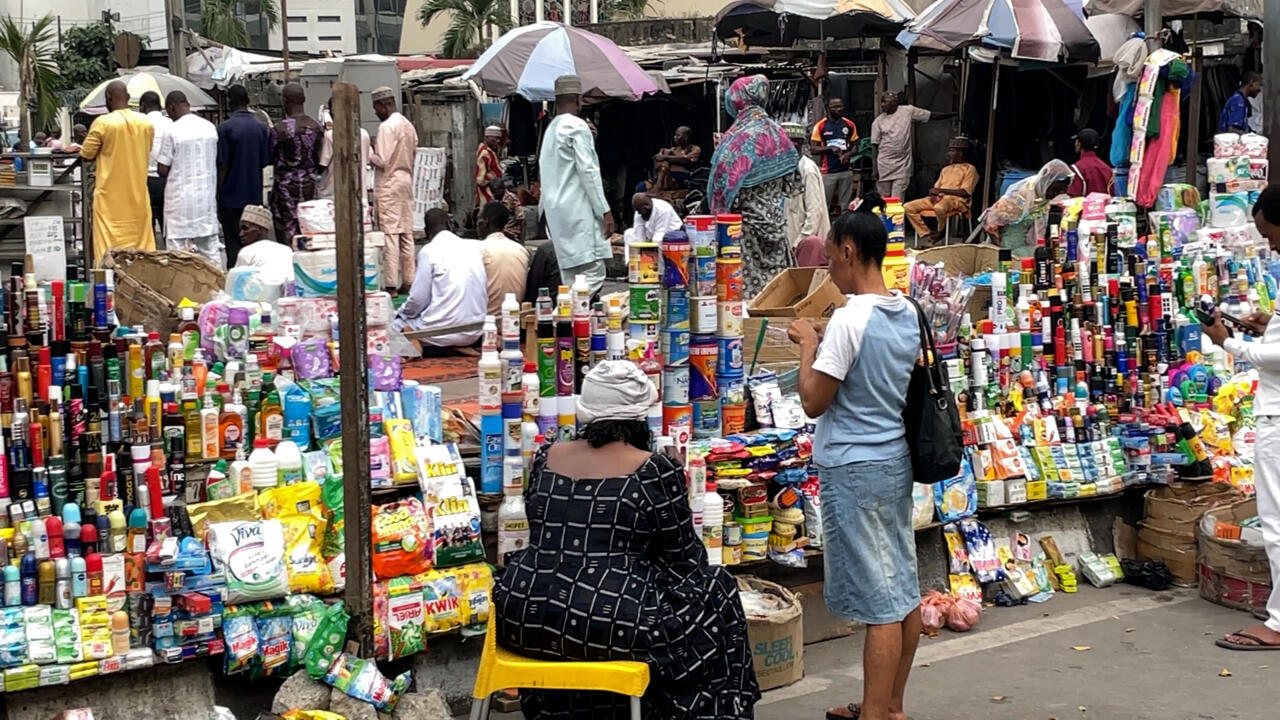

For many Nigerian households, the problem is no longer simply that prices are high. It is that food, transport and energy costs are rising at the same time, forcing families to decide which expenses can be reduced, delayed or abandoned.
Petrol prices have risen sharply in September. Reuters reported on September 21, 2026, that petrol was selling for about ₦1,400 per litre in Lagos and Abuja and as high as ₦1,500 in parts of northern Nigeria. The report said Dangote Petroleum Refinery had raised its wholesale price to ₦1,350 per litre as international crude prices rose.
Cooking gas has also become more expensive, although prices vary by location. The Guardian reported on September 18, 2026, that LPG was selling for about ₦1,600 per kilogramme in Lagos, ₦1,500 in Osun and ₦1,300 in Oyo at retail outlets. At ₦1,600 per kilogramme, refilling a 12.5kg cylinder would cost about ₦20,000.
Food prices have not escaped the pressure. The National Bureau of Statistics said in its Consumer Price Index report released on September 15, 2026, that headline inflation slowed slightly to 15.39% in August, from 15.43% in July. But food inflation remained much higher at 19.57% year-on-year.
The lower inflation rate does not mean that food has become cheaper. It means prices increased more slowly in August than they did in July. The NBS said monthly food inflation fell to 1.02% in August from 5.56% in July.
For households, the response is increasingly about cutting back.
TheCable reported on September 13, 2026, that some families were reducing the quantity of food they bought and choosing items that could stretch across several meals. A Lagos resident, Damilola, told the publication that she now checks prices carefully before buying food and buys smaller quantities.
Transport is another area where Nigerians are adjusting. A September 16 report based on findings by Daily Trust said some commuters were reducing journeys, walking part of their routes and combining different forms of transport to save money. One Lagos mother, Abisola Pedro, said she now mainly uses her car for school runs because fuelling it has become too expensive.
The pressure is also reaching workers whose salaries have not kept pace with their expenses. In the same report, a worker in Akure, Fagbemi Bukola, said she earns ₦40,000 a month and that her daily tricycle fare had risen from ₦700 to ₦1,500.
Labour leaders are now demanding government intervention. On September 17, 2026, NLC President Joe Ajaero called for emergency wage awards and urged the government to make crude available to local refineries in naira. He also called for increased national storage capacity.
The demand became more specific on September 21, 2026, when the Joint National Public Service Negotiating Council asked President Bola Tinubu for an immediate wage award, higher salaries and allowances, and the start of negotiations for a new minimum wage ahead of January 2027.
The current national minimum wage is ₦70,000. President Tinubu announced the figure on July 18, 2024, with an assurance that it would be reviewed after three years.
The debate, therefore, is moving beyond how Nigerians can cut spending. Households can reduce journeys, buy less food or postpone purchases, but those measures have limits.
For government, the longer-term challenge is to reduce the cost of the essentials that consume workers’ incomes, particularly food, transport and energy, while ensuring that wages and social protection keep pace with the cost of living.
For Nigerian households, the immediate reality remains simpler: spend less where possible, prioritise essentials and find ways to stretch income. But household survival strategies cannot, on their own, solve a wider cost-of-living problem.