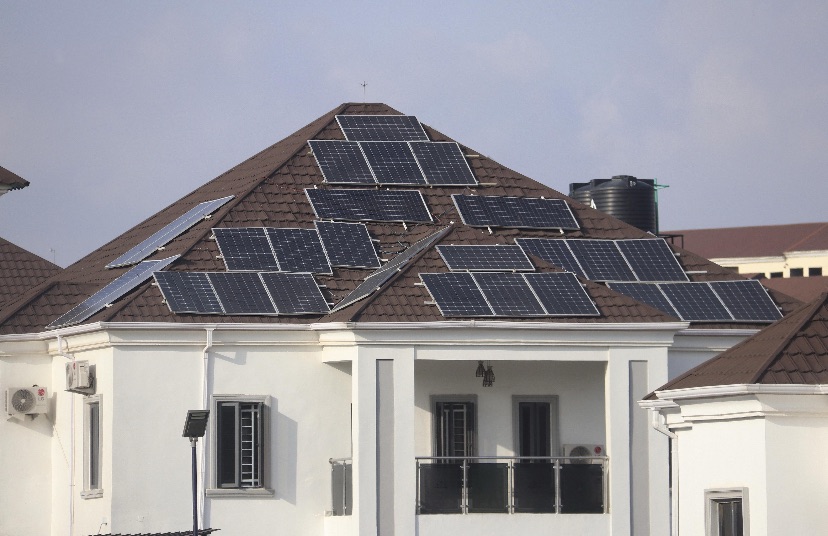

Nigeria’s solar energy market is experiencing stronger demand as households and businesses look for more reliable and affordable alternatives to public electricity and petrol-powered generators.
Solar companies are reporting growing interest in solar panels, inverters, batteries and complete power systems as electricity challenges and high energy costs continue to influence spending decisions across the country.
For many Nigerians, solar power is no longer seen only as an environmental solution. It is increasingly becoming a business and household necessity. Small businesses such as barbershops, restaurants, fashion stores, pharmacies and phone-charging centres are among those exploring solar systems to reduce their dependence on generators.
The rising cost of petrol and the expenses associated with maintaining generators have also encouraged more consumers to consider solar energy. Although installing a solar system can require significant money upfront, users can reduce their spending on fuel and generator maintenance over time.
Solar companies are responding to the increased interest by offering different packages based on customers’ budgets and electricity needs. Some businesses now provide small systems for basic lighting and charging, while larger installations can power refrigerators, office equipment, televisions, computers and other appliances.
The growth of solar energy is also creating opportunities for entrepreneurs and workers. Installers, technicians, distributors and retailers are benefiting from the expanding market, while new businesses are emerging around the supply and maintenance of solar equipment.
For small and medium-sized enterprises, reliable electricity can make a major difference. Businesses that depend on refrigeration, internet services, machinery or electronic equipment can lose money when power supply is interrupted. Solar systems can help reduce these disruptions and allow some businesses to operate for longer hours.
However, the industry still faces challenges. The cost of quality solar equipment remains high for many consumers, particularly when batteries and inverters are included. There are also concerns about low-quality products entering the market, making it important for buyers to work with trusted suppliers and qualified installers.
Financing is another major issue. Many households and small businesses may be interested in solar power but cannot afford the initial installation cost. More flexible payment plans, leasing arrangements and financing options could therefore help more Nigerians adopt the technology.
Despite these challenges, the outlook for Nigeria’s solar market remains promising. As electricity costs rise and consumers search for alternatives, demand for renewable energy solutions is expected to remain strong.
The increasing interest also presents an opportunity for investors and entrepreneurs. Companies that can provide affordable, durable and properly installed solar systems could capture a growing share of Nigeria’s energy market.
With millions of homes and businesses still seeking dependable electricity, solar power is gradually moving from an alternative energy source to an important part of Nigeria’s everyday economy.