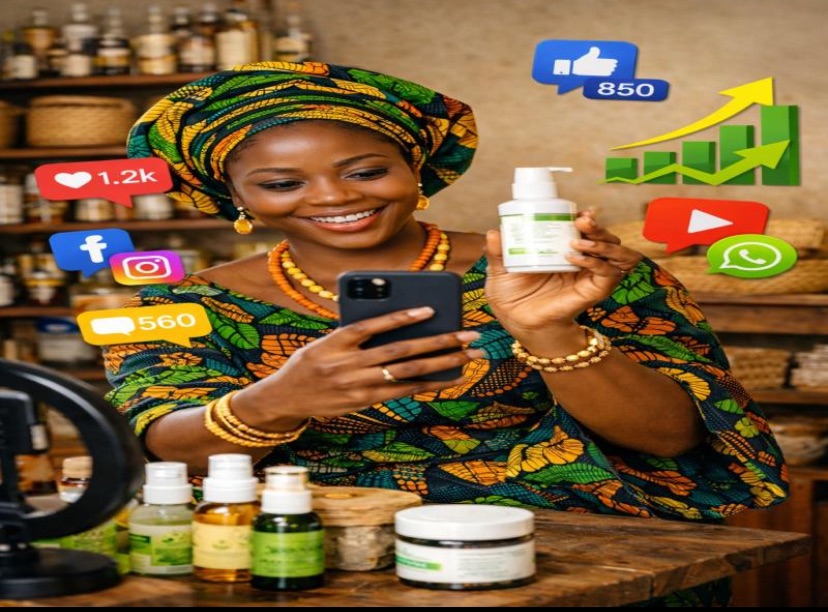

Social media is no longer just a place for Nigerians to share pictures, follow trends or chat with friends. It is quickly becoming one of the country’s busiest marketplaces, giving businesses a new way to find customers, promote products and make sales.
Platforms such as Instagram, Facebook, TikTok and WhatsApp have become important tools for small businesses and entrepreneurs. Many sellers now display their products online, communicate directly with customers and receive orders without needing a traditional shop.
For many Nigerian entrepreneurs, this change has reduced the cost of starting a business. Instead of renting an expensive store, a business owner can take pictures of products, post them online and reach potential customers from different parts of the country.
Fashion sellers, food vendors, beauty businesses, electronics dealers, furniture makers and service providers are among those benefiting from this growing trend.
WhatsApp has also become particularly useful for businesses. Sellers use status updates to advertise products, share prices, announce promotions and communicate with customers. Some businesses have created dedicated accounts where customers can ask questions, place orders and receive updates about their purchases.
Social media has also changed the way customers discover products. Rather than visiting several physical stores, consumers can now compare products, check reviews, watch demonstrations and contact sellers from their phones.
For younger Nigerians especially, TikTok and Instagram have become powerful platforms for discovering new brands. A single viral video can expose a small business to thousands of potential customers within a short period.
Influencers and content creators have further strengthened this trend. Businesses increasingly work with online personalities to promote products because recommendations and demonstrations can influence what consumers decide to buy.
However, selling through social media also comes with challenges. Customers may encounter fake products, dishonest sellers or businesses that disappear after receiving payment. Delivery problems and unclear return policies can also create difficulties.
This means businesses that want to succeed online must build trust. Clear product descriptions, genuine pictures, transparent pricing, reliable delivery and good customer service can help sellers maintain a strong reputation.
The growing importance of social commerce also presents opportunities for Nigeria’s digital economy. More businesses are becoming comfortable with online payments, digital advertising and technology-based customer service.
As internet and smartphone usage continues to expand, social media could become an even bigger part of everyday commerce in Nigeria. For many small businesses, the smartphone is gradually becoming more than a communication device—it is becoming a shop, marketing office and customer service centre in one.
Nigeria’s marketplace is therefore changing. The traditional roadside shop and physical store remain important, but an increasing number of businesses are meeting their customers where they spend much of their time: online.
For entrepreneurs willing to understand digital marketing, build trust and provide quality products, social media could offer a low-cost route to reaching a much larger market.