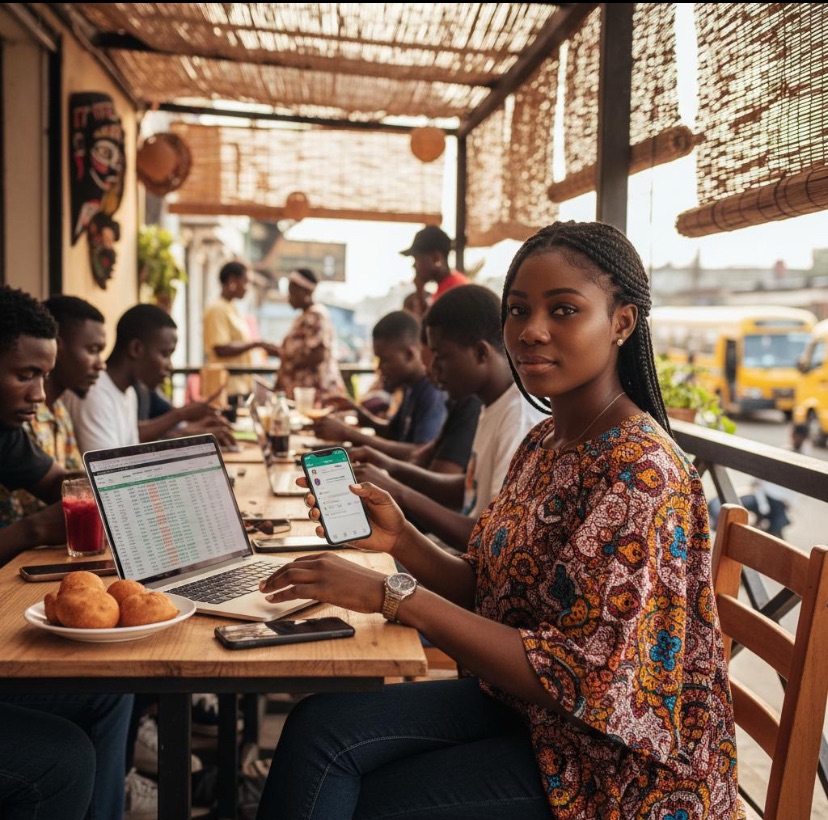

For many Nigerians, having one job is no longer enough to comfortably handle everyday expenses. Across the country, workers are increasingly combining two or even three jobs as they search for additional income and greater financial security.
The trend is becoming common among young professionals, civil servants, entrepreneurs, freelancers and even workers in the private sector. Some work regular office hours during the day and use their evenings or weekends for another job. Others combine full-time employment with online businesses, ride-hailing, food delivery, tutoring, sales or freelance services.
The main reason behind this growing trend is the rising cost of living.
Food, transportation, rent, electricity, healthcare and other basic expenses have become major parts of household budgets. As salaries struggle to keep pace with these costs, workers are looking for other ways to increase their monthly income.
For many people, a second job is not necessarily about becoming wealthy. It is about being able to pay bills, support family members and maintain a reasonable standard of living.
The Rise of Side Hustles
Technology has made it easier for Nigerians to earn money outside their primary jobs.
Social media platforms have created opportunities for people to sell clothing, food, beauty products and other goods without renting a physical shop. Freelancing platforms have also opened opportunities in writing, graphic design, programming, digital marketing and virtual assistance.
Some workers have turned their skills into small businesses. A teacher may offer private lessons after school, while an accountant may provide bookkeeping services to small businesses. Others use their cars or motorcycles for transportation and delivery services after working hours.
This flexibility has made the side-hustle economy an important part of Nigeria’s labour market.
Young Workers Feel the Pressure
Young Nigerians are particularly active in multiple-income activities. Many are entering the workforce at a time when securing a well-paying job can be difficult.
Rather than depending entirely on one employer, some young workers are building several income streams at the same time. The goal is often to reduce financial pressure and create a backup if their main source of income disappears.
For some, the experience can also become a pathway to entrepreneurship. A side business that starts with a few customers can eventually grow into a full-time company.
The Cost of Working Too Much
Although multiple jobs can provide additional income, the lifestyle comes with challenges.
Working long hours can lead to exhaustion, reduced productivity and limited personal time. Workers may also struggle to balance their main employment with their side businesses.
Employers are also becoming more concerned about conflicts of interest, confidentiality and declining performance when employees devote too much attention to outside work.
For businesses, the growing popularity of multiple jobs is a signal that employees are looking for more than just employment. They also want incomes that can keep up with their financial responsibilities.
What It Means for Businesses
The trend could encourage companies to rethink how they attract and retain workers.
Better salaries, flexible working arrangements, performance bonuses, training opportunities and other benefits could help businesses reduce employee turnover.
At the same time, the growth of side hustles shows the increasing importance of entrepreneurship and digital work in Nigeria’s economy.
For millions of Nigerians, having two or three jobs is not simply a lifestyle choice. It is increasingly becoming a financial strategy—one that reflects the changing realities of work and the cost of living in the country.