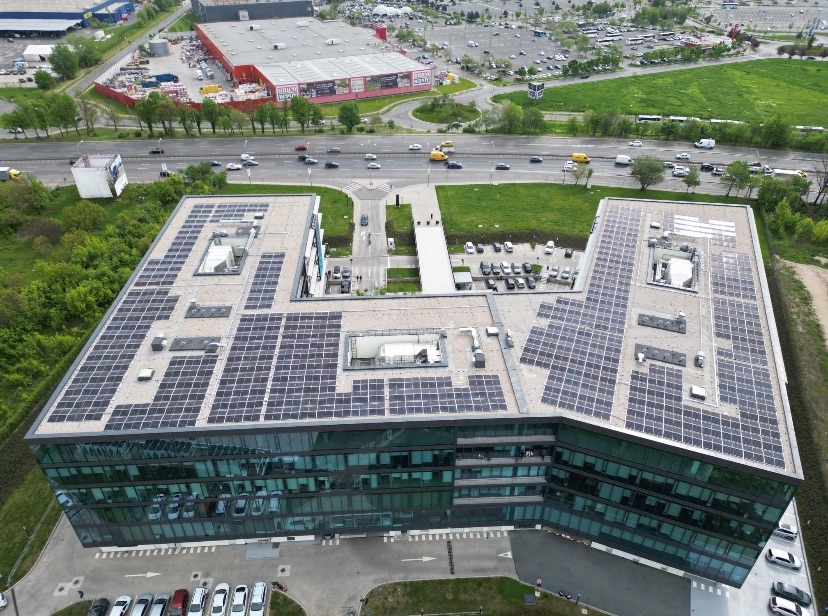

Businesses across Nigeria and many parts of the world are increasingly turning to solar energy as they search for reliable and affordable electricity. Rising fuel prices, unstable power supply, and higher electricity tariffs have made it more expensive to rely on diesel generators and the national grid. As a result, many companies now see solar power as a long-term investment rather than an expensive alternative.
From small businesses to large manufacturers, solar energy is becoming an important part of daily operations. Shops, hotels, hospitals, schools, offices, and factories are installing solar panels to reduce operating costs and improve productivity.
One of the biggest reasons behind this shift is cost savings. Although installing a solar system requires a significant upfront investment, businesses can save millions of naira over time by cutting fuel expenses and lowering electricity bills. Many companies report that the money saved on diesel and generator maintenance helps them recover the installation cost within a few years.
Reliable electricity is another major advantage. Frequent power outages can interrupt production, delay customer service, and damage sensitive equipment. Solar systems, especially those paired with battery storage, provide a steady source of electricity that allows businesses to continue operating even when the grid fails.
Environmental concerns are also encouraging more businesses to adopt renewable energy. Solar power produces electricity without releasing harmful emissions, helping companies reduce their carbon footprint. Many customers and investors now prefer businesses that demonstrate a commitment to sustainability, making clean energy an important part of corporate reputation.
Technology has also made solar systems more attractive. Modern solar panels are more efficient and durable than earlier models, while battery storage technology has improved significantly. This allows businesses to store excess electricity generated during the day and use it at night or during cloudy weather.
Financial institutions and energy companies are supporting the transition by offering flexible financing options. Some businesses can now install solar systems through payment plans or leasing arrangements, reducing the burden of paying the full cost upfront. This has made solar energy more accessible, particularly for small and medium-sized enterprises.
Government policies promoting renewable energy have also encouraged investment in the sector. While challenges such as import costs, foreign exchange fluctuations, and limited technical expertise remain, industry experts believe continued investment will improve access to clean energy solutions.
The benefits extend beyond individual businesses. As more companies adopt solar power, demand for solar equipment, installation services, and maintenance continues to grow. This expansion is creating new jobs for engineers, technicians, electricians, and energy consultants, contributing to economic development.
Despite the positive trend, experts advise businesses to work with qualified installers and conduct proper energy assessments before investing. Choosing the right system size and quality equipment is essential to achieving long-term savings and reliable performance.
Looking ahead, analysts believe solar energy will play an even greater role in the business sector. As electricity costs continue to rise and renewable technology becomes more affordable, more companies are expected to embrace solar power as a practical solution for reducing expenses and ensuring uninterrupted operations.
For many businesses, switching to solar is no longer just about protecting the environment. It has become a smart financial decision that improves efficiency, strengthens competitiveness, and provides greater energy security in an increasingly challenging business environment.