
Businesses across the world are entering a new phase of growth, driven by technology, changing consumer habits, and new economic realities. While challenges such as inflation, global competition, and rising operating costs remain, companies are also finding fresh opportunities to expand, innovate, and reach new customers.
Here are some of the biggest business trends expected to shape the year.
One of the most important trends is the rapid adoption of artificial intelligence (AI). Companies of all sizes are using AI to automate routine tasks, improve customer service, analyze data, and increase productivity. Rather than replacing workers, many businesses are using AI to help employees work faster and make better decisions.
Digital payments are also becoming more popular. Consumers now expect fast, secure, and convenient payment options whether they are shopping online or in physical stores. This has created more opportunities for fintech companies and encouraged traditional banks to improve their digital services.
Another growing trend is the expansion of e-commerce. More businesses are selling products online, while social media platforms have become powerful marketplaces. Small businesses are increasingly reaching customers through platforms like Instagram, TikTok, Facebook, and WhatsApp without needing a physical store.
Sustainability is becoming a key business priority. Investors and customers are paying closer attention to how companies protect the environment, reduce waste, and use energy efficiently. Businesses that adopt greener practices are improving their reputation while also attracting environmentally conscious consumers.
The startup ecosystem continues to evolve as entrepreneurs develop solutions in sectors such as healthcare, agriculture, education, logistics, and financial technology. Despite tighter funding conditions in some markets, investors are still backing startups with strong business models and clear paths to profitability.
Cybersecurity has become another major focus. As businesses rely more on digital platforms, protecting customer information and company data has become essential. Companies are increasing investments in cybersecurity tools to defend against online threats and maintain customer trust.
Remote and hybrid work models are also changing how businesses operate. Many organizations now offer employees greater flexibility, helping them attract skilled workers while reducing office-related costs. Businesses are also investing in digital collaboration tools to keep teams connected.
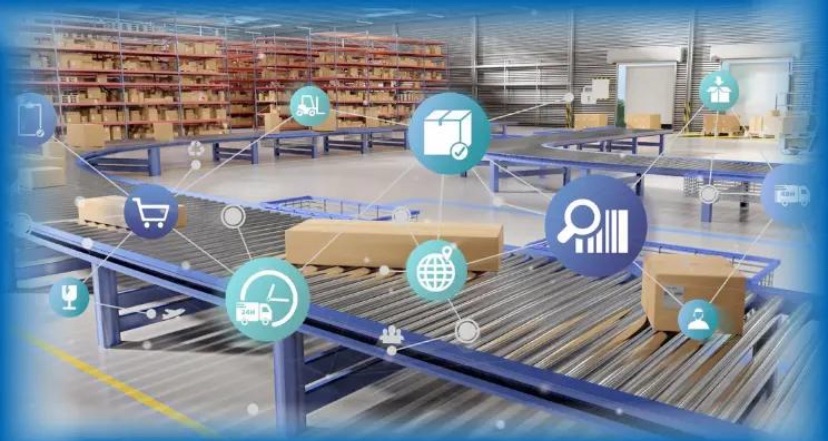
Supply chain improvements remain a top priority. Companies are diversifying suppliers, investing in local production, and using technology to monitor inventory more efficiently. These changes help businesses reduce disruptions and respond more quickly to market demand.
In many developing economies, including Nigeria, businesses are increasingly focusing on local production. Manufacturers are sourcing more materials locally to reduce dependence on imports, manage foreign exchange risks, and create new employment opportunities.
Customer experience is becoming a stronger competitive advantage. Businesses are investing in personalized services, faster delivery, loyalty programmes, and better after-sales support to retain customers in highly competitive markets.
Experts believe businesses that embrace innovation, invest in technology, strengthen customer relationships, and remain flexible will be better positioned for long-term success. While economic conditions may continue to change, companies that adapt quickly are likely to stay ahead of competitors and unlock new opportunities for growth.
As the business landscape continues to evolve, these trends are expected to influence investment decisions, consumer behaviour, and corporate strategies throughout the year.