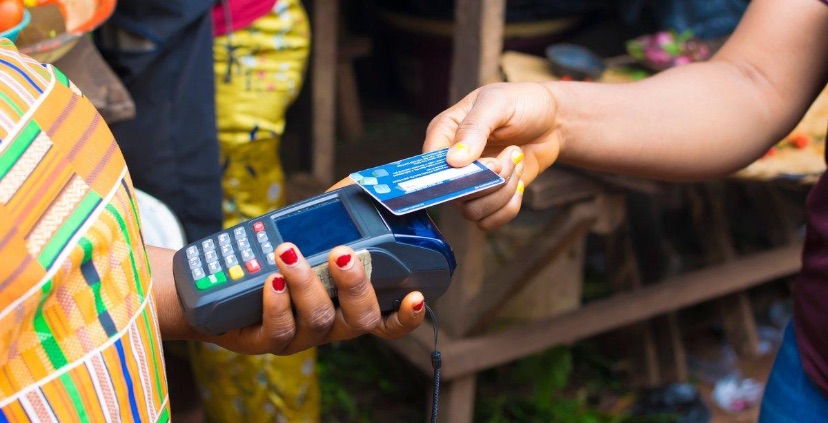

Africa’s financial technology industry is experiencing one of its biggest growth periods in history, transforming the way millions of people save, borrow, invest, and make payments. Across the continent, fintech companies are expanding rapidly by offering faster, cheaper, and more accessible financial services than traditional banking systems.
The boom is being driven by several factors, including widespread smartphone adoption, increasing internet access, a young and tech-savvy population, and the growing demand for convenient digital payment solutions. In many African countries, millions of people remain underserved by traditional banks, creating a huge opportunity for fintech companies to fill the gap.
Nigeria, Kenya, South Africa, Egypt, and Ghana have emerged as some of Africa’s leading fintech hubs. Start-ups in these countries are attracting billions of dollars in investments from global venture capital firms that see enormous long-term potential in the continent’s digital economy.
Digital payment platforms have become an essential part of everyday life. Consumers now use mobile apps to transfer money, pay bills, purchase goods, receive salaries, and even invest without visiting a physical bank. This convenience has encouraged more people to embrace digital financial services.
Another reason behind the fintech boom is financial inclusion. Many Africans who previously had no access to banking services can now open digital wallets with just a mobile phone. This has helped small business owners, traders, freelancers, and rural communities participate more actively in the formal economy.
Small and medium-sized enterprises (SMEs) are also benefiting significantly. Fintech firms provide quick business loans, digital bookkeeping tools, payment gateways, and online banking solutions that help entrepreneurs manage their finances more efficiently. Unlike traditional banks, many fintech lenders use alternative data to assess borrowers, making credit more accessible.
Cross-border payments have become another major area of innovation. As trade within Africa continues to grow, fintech companies are simplifying international transactions by reducing transfer costs and speeding up payment processing. This is particularly valuable for exporters, importers, freelancers, and businesses operating across multiple countries.
Governments and regulators are also beginning to support innovation by introducing policies that encourage digital finance while strengthening consumer protection and cybersecurity. Improved regulations are helping build trust between fintech providers and users.
Artificial intelligence and automation are further reshaping the industry. Many fintech companies now use AI to detect fraud, improve customer service through chatbots, analyse financial behaviour, and offer personalised financial products. These technologies are making digital finance safer and more efficient.
Despite its rapid growth, the sector still faces challenges. Cybersecurity threats, internet connectivity issues, digital literacy gaps, and changing regulations remain concerns. Competition has also intensified as more companies enter the market, forcing businesses to innovate continuously.
Industry experts, however, remain optimistic about Africa’s fintech future. With the continent’s population expected to continue growing and smartphone usage increasing each year, demand for digital financial services is likely to rise even further.
Investors believe fintech will remain one of Africa’s fastest-growing industries because it addresses real economic challenges while creating new opportunities for businesses and consumers. As innovation continues, fintech is expected to play a leading role in expanding financial inclusion, supporting entrepreneurship, creating jobs, and accelerating economic growth across Africa.
The continent’s digital finance revolution is no longer a future possibility—it is already transforming how Africans interact with money, making financial services more accessible than ever before.