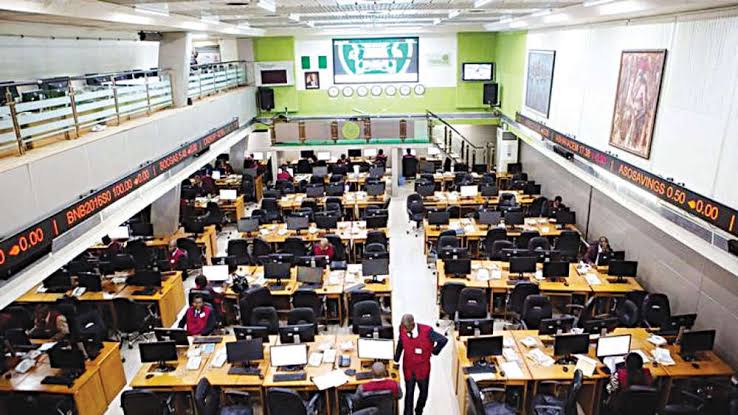

Nigeria’s equities market has extended one of its strongest rallies in recent years, with the Nigerian Exchange (NGX) approaching ₦160 trillion in total market capitalisation by late July, up from about ₦99 trillion at the start of 2026. The benchmark NGX All-Share Index (ASI) has advanced by nearly 60% year-to-date, driven by sustained demand for banking stocks, improving macroeconomic conditions and renewed investor confidence.
The rally has been led by tier-one lenders, including Access Holdings, First HoldCo, United Bank for Africa and Zenith Bank, as investors responded to stronger balance sheets and expectations of improved earnings following the banking sector’s ongoing recapitalisation programme. The capital-raising exercise has attracted trillions of naira in fresh equity, reinforcing confidence in the sector and positioning lenders to expand credit, finance larger projects and meet higher regulatory capital requirements.
Investor sentiment has also been supported by signs of improving macroeconomic stability. A relatively more stable naira, moderating inflation, improved foreign exchange liquidity and tighter monetary policy have helped strengthen confidence among both domestic and foreign investors, encouraging renewed participation in the equities market.
Market gains have remained broad-based, although intermittent profit-taking has followed the sharp appreciation recorded by several blue-chip stocks. Beyond banking, industrial goods, telecommunications and selected consumer goods companies have also attracted buying interest, reflecting investor preference for fundamentally strong businesses with resilient earnings prospects. Consumer-facing companies could benefit further if inflation continues to ease, supporting household purchasing power and corporate profitability.
Oil and gas stocks have also delivered strong returns this year, aided by improving corporate performance and sustained investor interest. However, market analysts caution that much of the sector’s gains have been concentrated in a limited number of large-cap companies, highlighting the importance of portfolio diversification.
Despite the market’s impressive performance, analysts believe the next phase of the rally will depend less on liquidity-driven optimism and more on companies delivering robust financial results. Half-year and full-year earnings, dividend expectations, monetary policy decisions, inflation trends and the pace of foreign portfolio inflows are expected to shape market direction in the months ahead.
While volatility and periodic profit-taking are likely after the rapid gains recorded during the first seven months of the year, analysts remain cautiously optimistic that improving corporate fundamentals and continued macroeconomic stability could provide support for the Nigerian equities market over the medium term.