
Nigeria may face a widening protein supply gap if urgent steps are not taken to diversify food sources and embrace innovation, experts have warned.
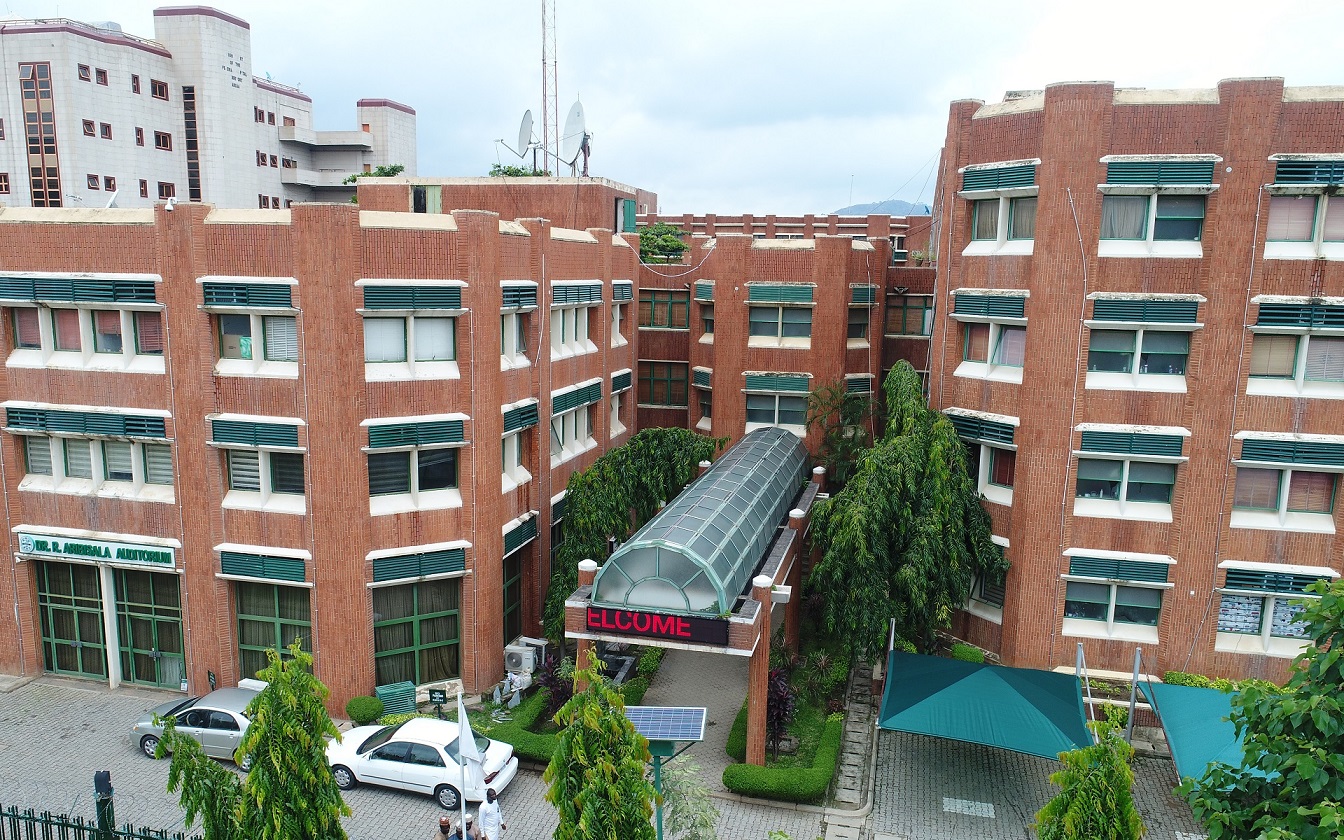
The caution was raised at a two-day national summit themed “Building Nigeria’s Sustainable Protein Future: Ecosystem Alignment and Next-Gen Food Innovation,” held at the Raw Materials Research and Development Council.
Stakeholders at the gathering examined strategies to secure sustainable protein supplies, with discussions centring on technology-driven and alternative protein solutions as viable complements to traditional livestock production.
Vice-Chancellor of Modibbo Adama University, Prof. Ibrahim Umar, said Nigeria’s population, estimated at 220 million, with more than 60 per cent under the age of 24, is intensifying pressure on the country’s food systems. Represented by Prof. Kalep Filli, he noted that the average daily protein intake in Nigeria remains below the 64 grams recommended by the Food and Agriculture Organization and the World Health Organization.
He attributed the shortfall to the rising cost of conventional animal protein and production challenges linked to climate change and insecurity in key agricultural regions.
“While alternative protein has gained popularity in other parts of the world for its potential to address the aforementioned challenges, weak capacity for research and innovation is still largely limited in Nigeria and sub–Saharan Africa, despite its benefits in terms of food security, climate resilience, and economic opportunities”, he said.
Umar warned that without investment in affordable alternatives, Nigeria could struggle to meet the dietary needs of its growing population. He identified plant-based proteins, lab-grown cultured meat, microalgae, and fungi-based proteins as environmentally sustainable options that could supplement conventional sources such as poultry and beef.
He also called for the integration of biotechnology and extrusion technologies in protein production. According to him, biotechnology can enhance cleaner and more efficient protein development through cell manipulation, while extrusion technology can transform plant proteins into meat-like textures, improving functionality and digestibility.
The Vice-Chancellor of Adamawa State University, Augustine Clement, echoed similar concerns, linking protein shortages to climate change impacts.
“If you look at it, it is not only Nigeria that is facing a protein crisis; even in Africa, there is an inadequacy of protein supply for our population. And some of the reasons are also attributed to the issue of climate change.
“Look at the high cost of producing conventional protein, you can imagine what it costs to raise a poultry to produce eggs. So these are factors that are causing the shortage in protein supply.”
Clement stressed that adopting affordable, climate-resilient alternatives would not only improve nutrition but also ease environmental pressures tied to livestock farming.
Participants at the summit agreed that aligning research institutions, policymakers, and private sector players will be critical to building a resilient protein ecosystem capable of supporting Nigeria’s expanding population amid mounting climate and economic challenges.