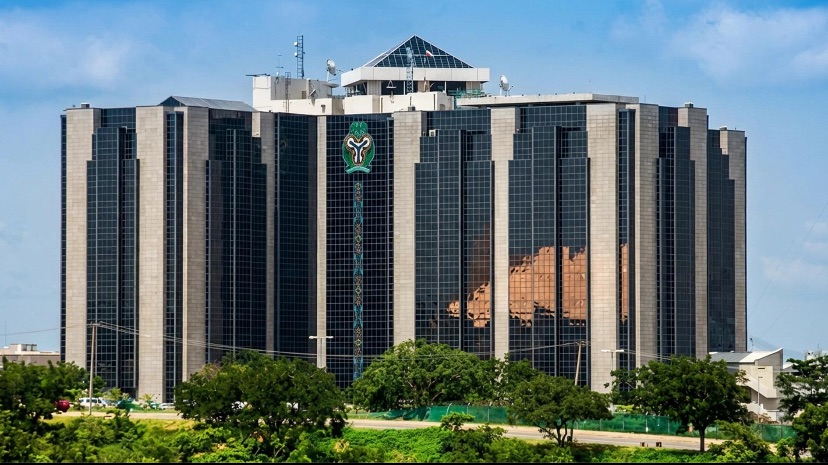

Nigeria is gradually seeing more cash flow back into its banking system as the use of digital payment channels continues to grow. New figures released by the Central Bank of Nigeria (CBN) show that the amount of physical cash kept outside banks dropped to its lowest level in seven months, a sign that more people and businesses are returning money to formal financial institutions.
According to the latest Money and Credit Statistics released by the CBN, cash held outside banks fell to N4.92 trillion in June 2026, down from N5.19 trillion recorded in May. This marks the lowest level since November 2025 and reflects a steady improvement in the movement of cash back into the banking sector.
When compared with December 2025, the amount of cash outside banks has reduced by nearly N486 billion, representing an almost 9 percent decline. Analysts believe this trend supports the CBN’s efforts to encourage electronic transactions while reducing the country’s heavy dependence on cash.
The report also revealed that the total amount of currency circulating in the economy dropped slightly from N5.73 trillion in December 2025 to N5.52 trillion in June 2026. However, the larger fall in cash outside banks suggests that much of the money was not removed from circulation but instead deposited into commercial banks.
The movement of cash was not completely steady during the first half of the year. Cash outside banks declined consistently between January and April before recording a temporary increase in May. That increase, however, lasted only one month as June recorded the biggest monthly decline so far this year, with cash outside banks falling by more than N270 billion.
The latest figures also show that 89.11 percent of all currency in circulation remained outside banks in June. Although this means cash is still widely used across Nigeria, it is an improvement from 94.33 percent recorded at the end of 2025. The share of cash held within banks has now increased to 10.89 percent, indicating that more Nigerians are gradually trusting and using the formal financial system.
Despite this progress, cash remains the preferred payment method in many parts of the country. Retail markets, transportation services, rural communities and many businesses in the informal sector still rely heavily on physical cash for daily transactions.
At the same time, digital payment channels continue to expand rapidly. Mobile banking, instant transfers, fintech platforms and agent banking services have made electronic payments easier for millions of Nigerians, helping reduce the need to carry large amounts of cash.
The improvement aligns with the CBN’s long-term strategy to modernise Nigeria’s payment system. Under the Nigeria Payments System Vision 2028, the apex bank plans to bring more people into the formal financial system while reducing the amount of cash circulating outside banks.
CBN Governor Olayemi Cardoso has announced an ambitious target of onboarding 50 million additional Nigerians into the financial system by 2028. The bank also hopes to reduce cash outside the banking system to below 40 percent of total currency in circulation within the same period.
Experts say achieving these goals could strengthen Nigeria’s banking sector by increasing deposits available for lending, improving liquidity and making monetary policy more effective. A stronger banking system could also provide businesses with greater access to credit, support economic growth and further accelerate the country’s transition toward a modern digital economy.