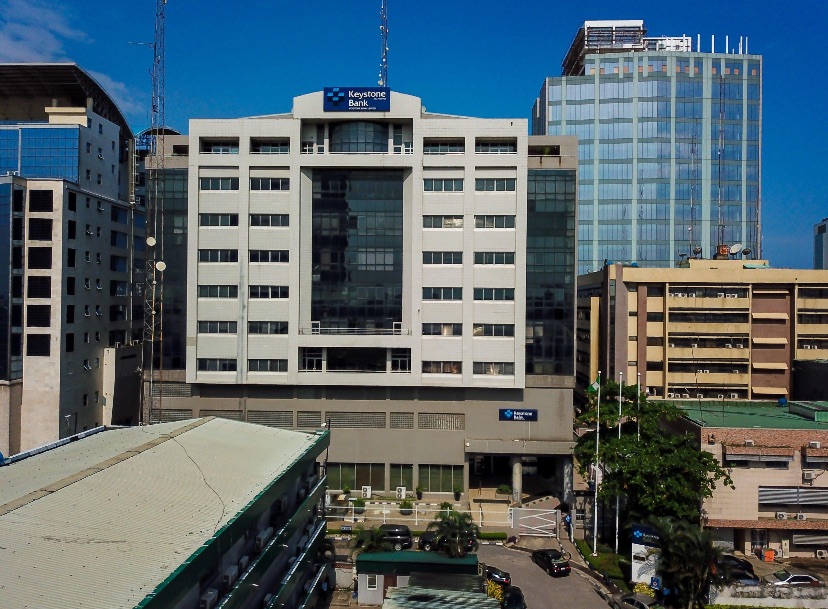

Keystone Bank Limited has reaffirmed its commitment to supporting climate action and sustainable development in Nigeria by partnering with key stakeholders to encourage greater investment in environmentally friendly projects.
The bank made this known during the two-day Climate Finance Preparedness Clinic (CFPC) organised by the Lagos State Government through its Office of Climate Change and Circular Economy (OCCE). The event brought together representatives from government agencies, financial institutions, development organisations, and private sector businesses to discuss ways of improving access to climate finance.
The gathering focused on helping Nigeria attract more funding for projects that can reduce environmental risks, improve resilience to climate change, and promote sustainable economic growth.
Speaking at the event, Keystone Bank’s Executive Director for Corporate Banking & South, Nnenna Anyim Okoro, stressed that tackling climate challenges requires strong collaboration between governments, financial institutions, development partners, and businesses.
She explained that climate finance cannot succeed without collective action, noting that banks have a major role to play in providing funding for projects that support environmental sustainability.
According to her, financial institutions should make climate-related issues part of their long-term business strategies instead of treating them as separate initiatives. She added that partnerships between the public and private sectors are essential to turn climate discussions into practical projects that create lasting impact.
Okoro said Keystone Bank is committed to supporting financing structures that will increase investment in climate-resilient infrastructure and other green development projects across Nigeria.
She also revealed that the bank is working to improve access to both local and international climate funds. This, she said, will help businesses secure the financing they need to adopt cleaner technologies, reduce carbon emissions, and build operations that can withstand the effects of climate change.
According to her, supporting businesses through this transition will not only protect the environment but also strengthen Nigeria’s economy by encouraging sustainable growth and creating new investment opportunities.
Also speaking at the event, the Special Adviser to the Lagos State Governor on Climate Change and Circular Economy, Titilayo Oshodi, described the Climate Finance Preparedness Clinic as an important step toward building stronger systems for climate investment.
She said the programme was designed to connect government policies, development projects, financial institutions, reliable data, and investors under one platform. According to Oshodi, strengthening these connections will make it easier to attract funding for sustainable projects across the state.
She noted that Lagos State remains committed to creating a vibrant climate finance ecosystem capable of attracting both local and international investors while positioning the state as one of Africa’s leading centres for climate action.
Oshodi also highlighted the importance of partnerships between governments and private organisations, saying long-term environmental goals can only be achieved when all stakeholders work together.
Throughout the clinic, participants discussed several important topics, including climate finance opportunities, environmental risk management, Environmental, Social and Governance (ESG) practices, blended finance, green lending, energy efficiency, waste management, and the growing opportunities within Nigeria’s carbon market.
Organisers explained that the Climate Finance Preparedness Clinic is part of wider efforts to equip institutions and businesses with the knowledge needed to develop bankable climate projects that can attract funding from both domestic and international sources.
Experts believe that increasing investment in climate-resilient infrastructure will help Nigeria address environmental challenges while creating jobs, encouraging innovation, and supporting long-term economic development.