
Sunday, July 26, 2026
  • Login
No Result
View All Result
The Business Times
  • News
  • BT Exclusive
  • Economy
  • Business
  • Financial Markets
  • Politics
  • Energy
  • Insights
  • Sports
  • News
  • BT Exclusive
  • Economy
  • Business
  • Financial Markets
  • Politics
  • Energy
  • Insights
  • Sports
No Result
View All Result
The Business Times
No Result
View All Result
Home Agriculture

Nigeria Faces Potential Food Supply Strains as Production Falls, Costs Rise, OTACCWA Warns

byStephen Abebor
July 26, 2026
in Agriculture, Economy
0
Nigeria Faces Potential Food Supply Strains as Production Falls, Costs Rise, OTACCWA Warns
4
VIEWS
Share on FacebookShare on Twitter

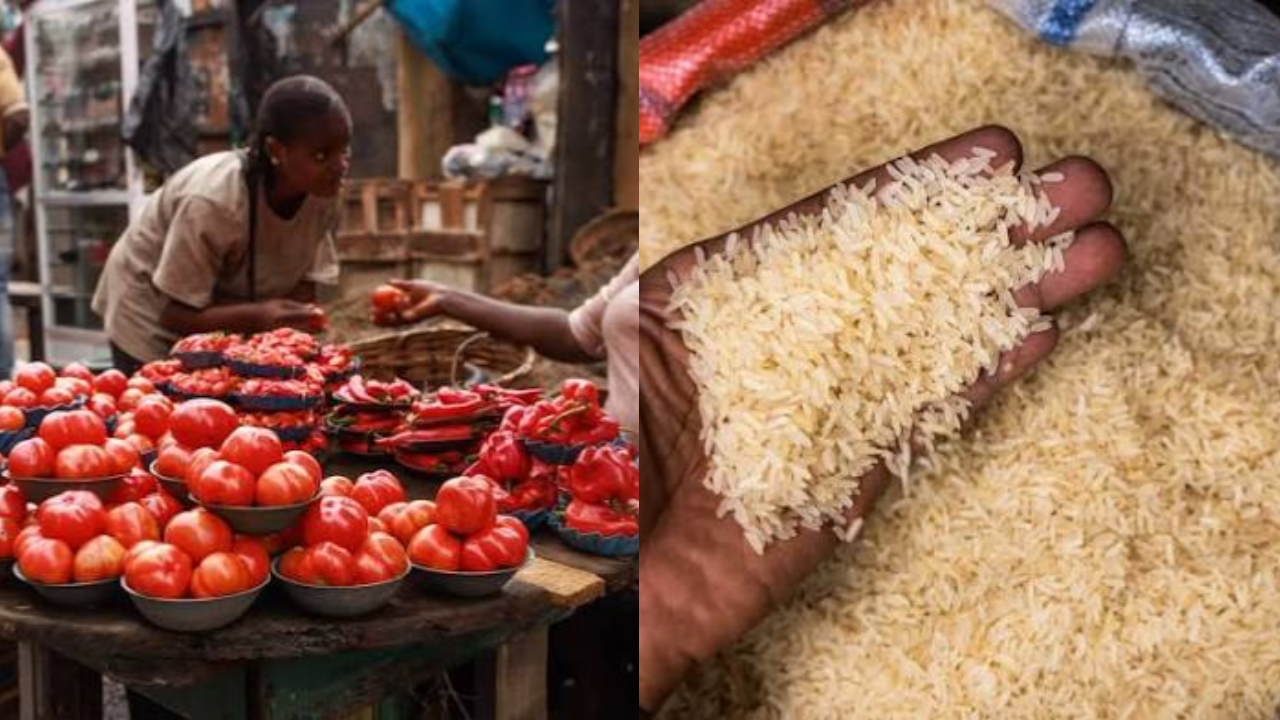
Nigeria could face tighter supplies of rice, tomatoes, onions, peppers and other staple foods in the coming months unless urgent measures are taken to strengthen agricultural production, improve security in farming communities and reduce rising logistics costs, the Organisation for Technology Advancement of Cold Chain in West Africa (OTACCWA) has warned.

Speaking with the News Agency of Nigeria (NAN) in Lagos, OTACCWA President, Alexander Isong, said the country’s food supply chain is under mounting pressure from declining farm output, insecurity, inadequate storage facilities, and rising transportation and energy costs.

According to Isong, projections by the United States Department of Agriculture (USDA) suggest Nigeria’s rice production could decline during the current production cycle due to reduced cultivation and lower yields in some farming areas. He said the weaker harvest could tighten domestic supplies and put further pressure on food prices if urgent action is not taken.

He added that tomato supplies may remain constrained until the next major harvest season, while lower cultivation of maize, sorghum and millet could further reduce food availability. He also noted that shortages of onions and peppers have contributed to higher market prices.

Isong said transporting one tonne of grain from Kano to Lagos now costs about ₦70,000, up from roughly ₦45,000 previously, citing higher fuel prices, poor road infrastructure and increased operating costs. He estimated that transportation now accounts for between 30 and 40 percent of the retail price of many food items.

He also blamed persistent insecurity in key farming areas for displacing farmers and limiting access to farmland, while inadequate cold chain infrastructure continues to cause significant post-harvest losses. According to industry estimates cited by OTACCWA, Nigeria loses between 30 and 50 percent of its perishable produce annually before it reaches consumers.

Isong called on the Federal Government, state governments, development partners and private investors to strengthen rural security, expand access to quality seeds and fertilizers, improve irrigation, provide affordable financing and invest in cold storage and food logistics to strengthen the country’s food supply chain.

Analysts say improving storage infrastructure, reducing post-harvest losses and addressing insecurity will be critical to easing pressure on food prices, which remain a major driver of inflation in Nigeria.

Tags: Agricultural ProductionCold Chain Logisticsfood inflationFood prices Nigeriafood securityFood shortages NigeriaNigeria agricultureNigeria food supplyOTACCWApost-harvest lossesrice productionTomato Prices
Stephen Abebor

Stephen Abebor

Next Post
FAAN Investigates Alleged Gold Smuggling Involving Airport Staff

FAAN Orders Immediate Probe Into Osubi Airport AVSEC-Passenger Clash Over Canned Milk

Leave a Reply Cancel reply

Your email address will not be published. Required fields are marked *

Recommended

Mainstack CEO to Lead Global Panel at Horasis 2025 in Brazil

Mainstack CEO to Lead Global Panel at Horasis 2025 in Brazil

10 months ago

NUPRC Workers Begin Indefinite Strike Over Welfare and Career Concerns

2 months ago

Popular News

  • Education at Heart of Nigeria’s $1 Trillion Economy Drive, Says Minister

    Education at Heart of Nigeria’s $1 Trillion Economy Drive, Says Minister

    0 shares
    Share 0 Tweet 0
  • CBN to Offer N700bn Treasury Bills in Final July Auction to Tighten Liquidity

    0 shares
    Share 0 Tweet 0
  • High Production Costs Are Holding Back Nigerian Manufacturers, NSDC Warns

    0 shares
    Share 0 Tweet 0
  • FAAN Orders Immediate Probe Into Osubi Airport AVSEC-Passenger Clash Over Canned Milk

    0 shares
    Share 0 Tweet 0
  • Nigeria Faces Potential Food Supply Strains as Production Falls, Costs Rise, OTACCWA Warns

    0 shares
    Share 0 Tweet 0

Connect with us

Facebook Twitter Instagram TikTok

Newsletter

Pages

  • About Page
  • Contact
  • Domestic Gas Sales Rise 30% as Nigeria’s Energy Reforms Gain Traction
  • Privacy Policy
  • Terms & Conditions

Navigation

  • News
  • BT Exclusive
  • Economy
  • Business
  • Financial Markets
  • Politics
  • Energy
  • Insights
  • Sports

© 2025 The Business Times NG .

Welcome Back!

OR

Login to your account below

Forgotten Password?

Retrieve your password

Please enter your username or email address to reset your password.

Log In
No Result
View All Result
  • Home
  • News
  • BT Exclusive
  • Economy
  • Business
  • Financial Markets
  • Politics
  • Energy
  • Insights
  • Sports

© 2025 The Business Times NG .