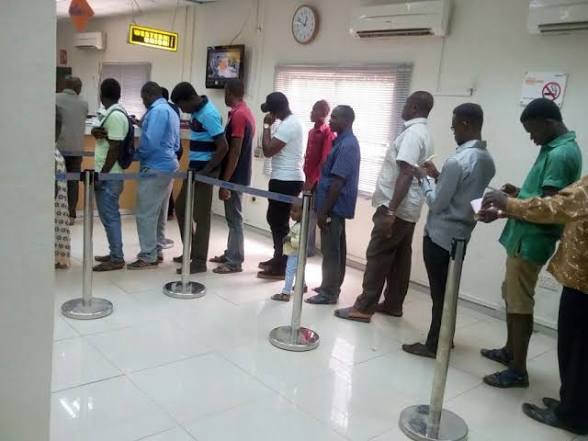

For many small and medium-sized businesses in Nigeria, getting a bank loan can feel like trying to pass through a narrow door with too many requirements. Although banks and other financial institutions provide different lending products, many SMEs still struggle to secure the funds they need to expand, buy equipment, increase stock or manage daily operations.
One major reason is lack of collateral. Banks often want borrowers to provide assets that can serve as security for a loan. However, many small businesses operate from rented shops, small offices or informal locations and may not own valuable property that can be pledged. This makes lenders more cautious about approving their applications.
Weak financial records are another major challenge. Some SMEs do not keep proper records of sales, expenses, profits and cash flow. When a business applies for a loan, the lender needs evidence that the company is generating enough income to repay it. Without clear financial statements and transaction records, banks may find it difficult to determine the business’s ability to repay.
The cost of borrowing can also discourage small businesses. Interest rates and other loan charges can make financing expensive, particularly for businesses operating with thin profit margins. An entrepreneur may be willing to borrow money to expand but may reconsider if the expected repayment is too high.
Another problem is credit history. Financial institutions typically examine an applicant’s previous borrowing and repayment behaviour before approving new credit. A business owner with a poor repayment record, unpaid obligations or limited credit history may face more difficulty accessing financing.
Many SMEs also operate informally. Businesses without proper registration, tax documentation or other required paperwork can struggle to satisfy lenders’ requirements. Formal documentation gives financial institutions more information about the identity, ownership and operations of a business.
There is also a risk perception problem. Banks may consider small businesses riskier than large companies because SMEs can be more vulnerable to inflation, exchange-rate movements, changing consumer demand and rising operating costs. This can lead lenders to impose stricter requirements or offer smaller loan amounts.
For entrepreneurs, the challenge is not only finding a lender but also presenting the business as a credible borrower. Maintaining proper accounts, separating personal and business finances, registering the company, building a good repayment history and keeping accurate transaction records can improve the chances of securing credit.
The financing gap has wider consequences for Nigeria’s economy. SMEs play an important role in employment, local production and economic activity. When businesses cannot access affordable funding, expansion plans may be delayed, workers may not be hired and opportunities to invest in new products or equipment can be lost.
Improving access to finance therefore requires effort from both lenders and business owners. Banks and other financial institutions can develop lending products that better reflect the realities of small businesses, while entrepreneurs can improve their documentation and financial discipline.
For many Nigerian SMEs, the problem is not a lack of business ideas. It is often the difficulty of turning those ideas into bankable businesses that lenders are willing to finance.