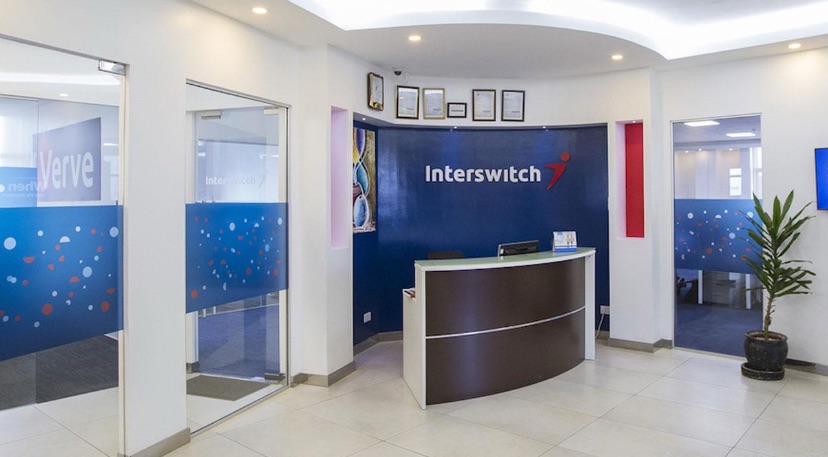

Long before digital payments became a part of everyday life across Africa, paying bills, transferring money, or making purchases electronically was often slow, expensive, and limited. Today, millions of people complete these transactions within seconds, thanks in large part to the growth of companies such as Interswitch, one of Africa’s leading financial technology firms.
Founded in Nigeria in 2002, Interswitch was created to modernize the country’s payment infrastructure by connecting banks, government agencies, businesses, and consumers through a single electronic payment network. At a time when cash dominated most transactions, the company introduced technology that enabled secure and faster electronic payments.
Over the years, Interswitch has grown from a payment-switching platform into one of Africa’s most influential fintech companies. Its technology now supports payment processing, card services, digital banking, online commerce, and financial services used by millions of individuals and businesses across several African markets.
One of the company’s biggest achievements has been helping reduce reliance on cash. Through partnerships with banks and merchants, Interswitch made it easier for Nigerians to use debit cards at ATMs and point-of-sale (POS) terminals. As electronic payment infrastructure expanded, consumers became more comfortable making cashless transactions for shopping, transportation, utility bills, and government services.
Industry analysts note that this shift has contributed significantly to Nigeria’s broader cashless policy, reducing the cost of handling physical cash while improving transaction efficiency across the financial system.
Interswitch also launched Verve, Africa’s first domestic payment card scheme. Today, Verve cards are widely accepted across Nigeria and have expanded into several African countries. The card network provides millions of consumers with affordable payment options while reducing dependence on international card providers.
The company’s digital platforms have further accelerated financial inclusion. Through products such as Quickteller, users can transfer funds, pay bills, purchase airtime, and access various financial services using mobile phones or the internet. These services have become especially valuable for individuals and small businesses seeking convenient banking alternatives.
Small and medium-sized enterprises (SMEs) have also benefited from Interswitch’s payment solutions. By providing secure payment gateways for online stores and physical merchants, the company has enabled thousands of businesses to accept electronic payments, improve cash flow, and reach more customers in an increasingly digital economy.
Interswitch’s influence extends beyond Nigeria. The company has expanded operations into several African countries, supporting governments, banks, and businesses with payment infrastructure designed to improve interoperability across financial institutions. Its systems process millions of transactions daily, helping facilitate commerce across multiple sectors.
The fintech giant reached another milestone in 2019 when it became one of Africa’s unicorn companies after securing a major investment from Visa, giving the company a valuation exceeding $1 billion. The investment highlighted growing international confidence in Africa’s rapidly expanding digital payments market and strengthened Interswitch’s position as a leading technology company on the continent.
Despite significant progress, challenges remain. Cybersecurity threats, digital fraud, internet connectivity issues, and uneven financial access in rural communities continue to affect payment adoption across parts of Africa. Experts say continued investment in technology, consumer education, and stronger regulatory collaboration will be essential to sustaining growth.
As digital commerce continues to expand, analysts believe companies like Interswitch will remain central to Africa’s financial transformation. By building reliable payment infrastructure, promoting financial inclusion, and supporting innovation across banking and commerce, the company has played a major role in reshaping how millions of Africans send, receive, and spend money in the digital age.