
Friday, May 22, 2026
  • Login
No Result
View All Result
The Business Times
  • News
  • BT Exclusive
  • Economy
  • Business
  • Financial Markets
  • Politics
  • Energy
  • Insights
  • Sports
  • News
  • BT Exclusive
  • Economy
  • Business
  • Financial Markets
  • Politics
  • Energy
  • Insights
  • Sports
No Result
View All Result
The Business Times
No Result
View All Result
Home Economy

Nigeria’s Mining Sector Struggles to Convert Mineral Wealth into Economic Growth

byStephen Abebor
May 22, 2026
in Economy, Business, Industry News
0
Nigeria’s Mining Sector Struggles to Convert Mineral Wealth into Economic Growth
5
VIEWS
Share on FacebookShare on Twitter

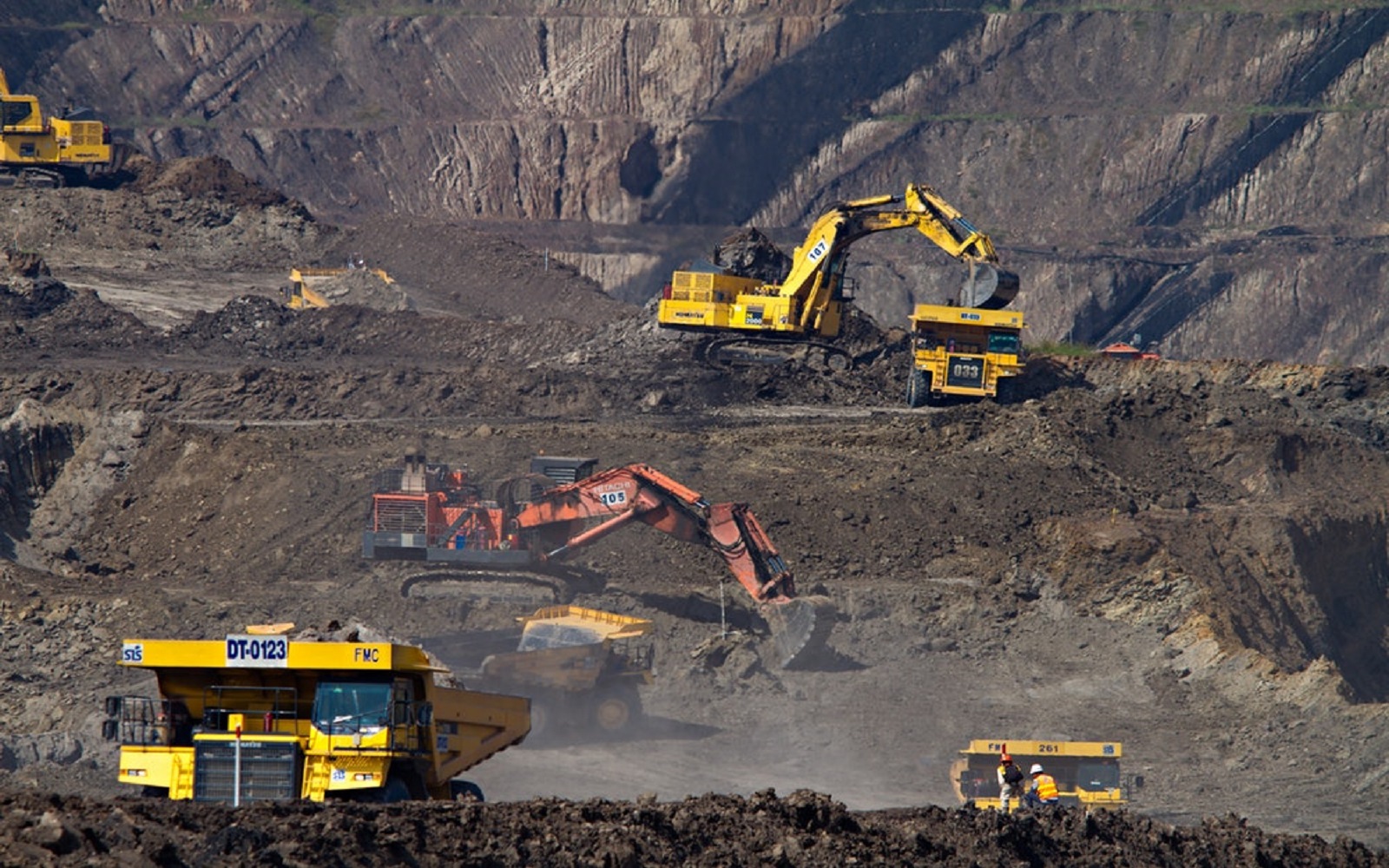
Nigeria is repositioning its vast solid minerals base as an economic diversification pillar, but deep structural bottlenecks continue to deter large-scale investment.

The country holds an estimated 44 commercially viable minerals, including lithium, gold, and rare earth elements. Yet the sector contributes less than 0.5% to GDP, a stark gap between geological promise and output, especially compared to more formalized mining regimes across West Africa.

As oil revenues fluctuate, Abuja has prioritized mining as a strategic frontier. Industry operators, however, argue the binding constraints are not resource availability but governance, infrastructure, and risk.

Security remains the most immediate drag. In key mining belts across Zamfara, Niger, and Kaduna states, armed groups and criminal networks disrupt exploration and mineral transport. The absence of secure corridors raises project costs and chases away long-term capital.

Artisanal mining dominates. An estimated one to two million Nigerians operate informally, outside the licensing framework, limiting tax capture and formal investment. Government efforts to formalize operations through cooperatives and simplified licensing have gained traction but remain uneven in execution.

Reform attempts are not new. The 2016 Mining Roadmap targeted a 3% GDP contribution by 2020 but fell short amid funding gaps and institutional overlaps. Recent global interest in lithium has revived momentum, yet hard-rock projects requiring $500–700 million in capital expenditure remain out of reach without reliable infrastructure.

Power supply is a critical weakness. Most mining sites rely on diesel generators due to unreliable grid access, significantly raising operating costs. Transport bottlenecks and limited rail connectivity further compound logistics inefficiencies.

Recent policy adjustments, digital licensing via the Mining Cadastre Office and revised lithium royalty frameworks signal gradual reform. However, forex repatriation delays and subnational tax inconsistencies continue to weigh on sentiment. Nigeria’s governance risk profile remains elevated relative to regional peers like Ghana and Mali, influencing capital allocation.

Looking ahead, investors will watch for measurable security improvements, faster licensing cycles, enforceable community agreements, and credible power upgrades.

Ultimately, Nigeria’s mining potential is substantial, but unlocking it hinges on sustained reforms across security, energy, and regulatory predictability. These factors will determine whether capital flows into Africa’s largest economy or bypasses it for safer regional destinations.

Tags: artisanal mining Nigeriaeconomic diversification Nigeriaenergy supply mininglithium mining Nigeriamineral exports NigeriaMining Investmentmining reforms Nigeriamining securityNigeria infrastructure challengesNigeria Mining Sectorsolid minerals NigeriaWest Africa resources
Stephen Abebor

Stephen Abebor

Leave a Reply Cancel reply

Your email address will not be published. Required fields are marked *

Recommended

Customs Introduces New Standard Operating Procedure for Courier Firms Operating Under DDP

Customs Introduces New Standard Operating Procedure for Courier Firms Operating Under DDP

4 months ago

Netherlands Tightens Pay-Proof Rules for Skilled Migrants as Part of Broader Economic Migration Reform

6 months ago

Popular News

  • Nigeria’s Mining Sector Struggles to Convert Mineral Wealth into Economic Growth

    Nigeria’s Mining Sector Struggles to Convert Mineral Wealth into Economic Growth

    0 shares
    Share 0 Tweet 0
  • FrieslandCampina WAMCO Records Massive Profit Growth in 2025

    0 shares
    Share 0 Tweet 0
  • Airtel Africa Launches $110 Million Share Buyback Plan

    0 shares
    Share 0 Tweet 0
  • African Food Changemakers Targets One Million Agribusinesses by 2030

    0 shares
    Share 0 Tweet 0
  • Tetracore GTL, Velocys Seal 5,000 BPD Gas-to-Liquids Deal in Ogun

    0 shares
    Share 0 Tweet 0

Connect with us

Facebook Twitter Instagram TikTok

Newsletter

Pages

  • About Page
  • Contact
  • Privacy Policy
  • Terms & Conditions

Navigation

  • News
  • BT Exclusive
  • Economy
  • Business
  • Financial Markets
  • Politics
  • Energy
  • Insights
  • Sports

© 2025 The Business Times NG .

Welcome Back!

OR

Login to your account below

Forgotten Password?

Retrieve your password

Please enter your username or email address to reset your password.

Log In
No Result
View All Result
  • Home
  • News
  • BT Exclusive
  • Economy
  • Business
  • Financial Markets
  • Politics
  • Energy
  • Insights
  • Sports

© 2025 The Business Times NG .